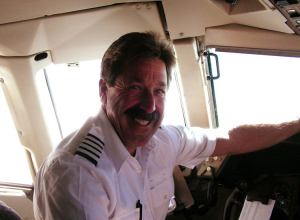
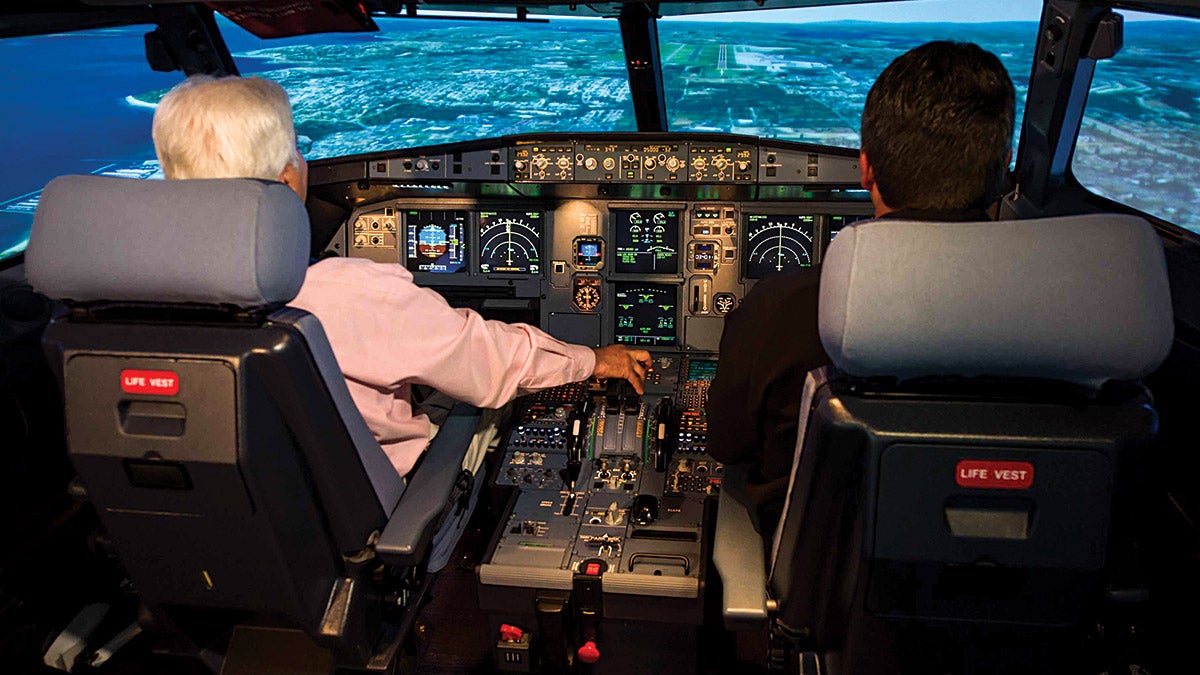
Aloud, muffled boom is heard from within the cockpit. The airplane begins to buffet. The two pilots exchange wide-eyed glances. From years of routine and training, they simultaneously turn toward the center instrument panel and begin to focus their attention on the electronic engine displays. The needle of the left engine N1 gauge is gyrating rapidly, accompanied by an EGT temperature needle that has reached the red zone. The amber master caution light on both sides of the cockpit in the eyebrow of the glareshield is flashing. The captain stabs the light with an index finger, extinguishing the distraction.
Are Airlines Training Pilots for the Real World?

Key Takeaways:
- Real-world aviation emergencies, such as the catastrophic engine failure and rapid depressurization scenario described, often involve multiple, escalating problems that demand rapid, prioritized decision-making from pilots.
- Current airline pilot recurrent training typically focuses on addressing only one emergency event at a time, a simplified approach that, while historically successful, may not fully prepare pilots for complex, multi-faceted crises.
- The article advocates for incorporating training scenarios with multiple, simultaneous emergencies, possibly as low-stakes exercises or in dedicated sessions, to enhance pilots' adaptability and decision-making skills for complex, real-world situations.
Key takeaways sponsored by Aviator Pro | Start Your Training ->
See a mistake? Contact us.