













Register

Aftermath of the 2015 Crash of a Beech B33 Debonair

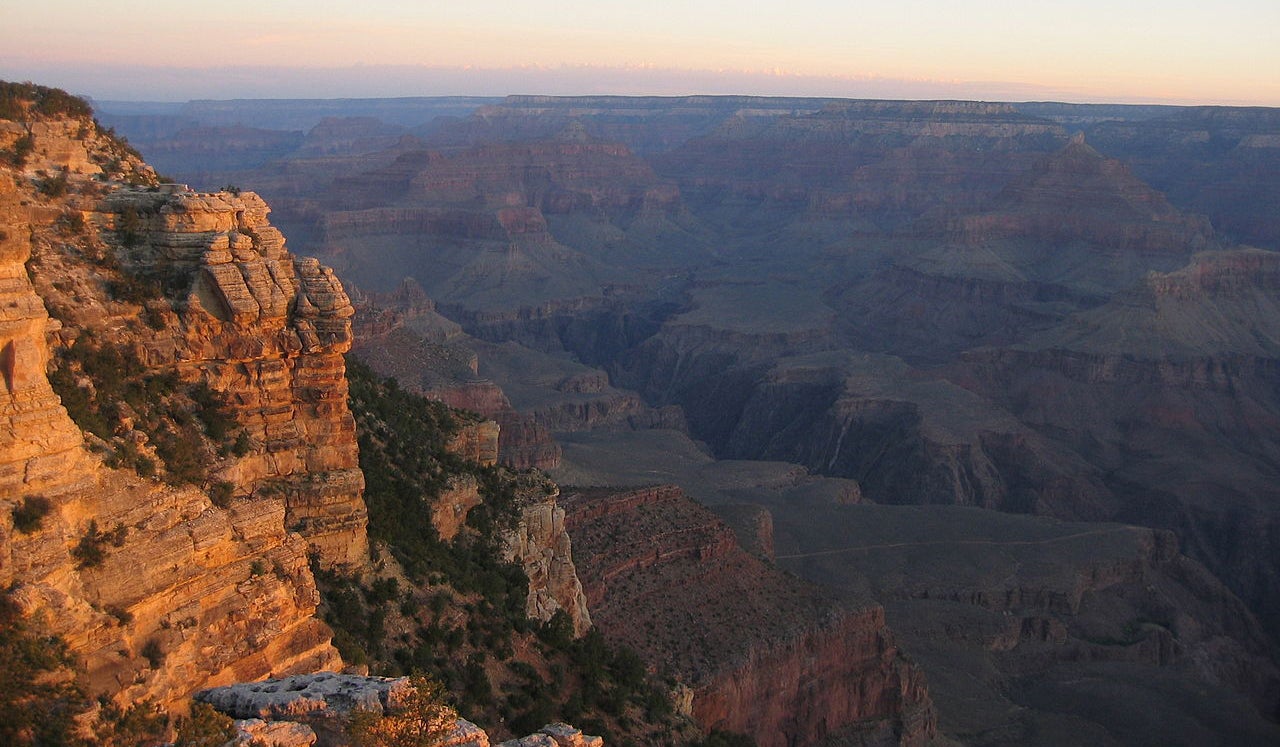
In August 2015, a Florence, South Carolina, doctor, 51, left his home field early in the morning on a vacation trip whose eventual destination was the Grand Canyon.

A South Carolina doctor set out to see the Grand Canyon in his 1963 Beech B33 Debonair in August 2015, but he never made it. Jonathan Zander/Wikimedia Commons
Gemini Sparkle

Key Takeaways:

  • A pilot died in a crash after his aircraft experienced an engine power loss, attributed by the NTSB to undetermined reasons and a subsequent aerodynamic stall and loss of control.
  • Post-accident investigation revealed the engine was not producing power on impact and the fuel distributor was empty, strongly implying fuel starvation.
  • The article speculates that the engine power loss was likely due to fuel starvation, possibly caused by higher-than-expected fuel consumption, mismanaged or imbalanced fuel tanks, or pilot distraction leading to failure to select the fullest tank.
  • The incident highlights the critical importance of meticulous fuel management, especially in aircraft with separate tank selectors, given potential inaccuracies in gauges and variations in actual fuel consumption.
See a mistake? Contact us.

In August 2015, a Florence, South Carolina, doctor, 51, left his home field early in the morning on a vacation trip whose eventual destination was the Grand Canyon. He was flying his 1963 Beech B33 Debonair, which he had owned since 2008. His first stop was to be Hot Springs, Arkansas, 689 nm distant, but shortly after taking off he amended his IFR clearance to swing southward around a line of weather. He later changed his destination to El Dorado, Arkansas.

Arriving at El Dorado, he was cleared for the GPS approach to Runway 4, but on breaking out he canceled IFR and circled to land on Runway 31. The wind was 17 gusting to 25 from 010 degrees and the field was VFR with scattered clouds at 1,900 feet and an overcast layer at 3,600. The last recorded radar return came at a location southwest of the field and about 2½ miles out. At that point, the airplane had been airborne for five hours and 36 minutes, and had traveled 722 nm.

Peter Garrison

Peter Garrison taught himself to use a slide rule and tin snips, built an airplane in his backyard, and flew it to Japan. He began contributing to FLYING in 1968, and he continues to share his columns, ""Technicalities"" and ""Aftermath,"" with FLYING readers.

Ready to Sell Your Aircraft?

List your airplane on AircraftForSale.com and reach qualified buyers.

List Your Aircraft
AircraftForSale Logo | FLYING Logo
Pilot in aircraft
Sign-up for newsletters & special offers!

Get the latest stories & special offers delivered directly to your inbox.

SUBSCRIBE
