











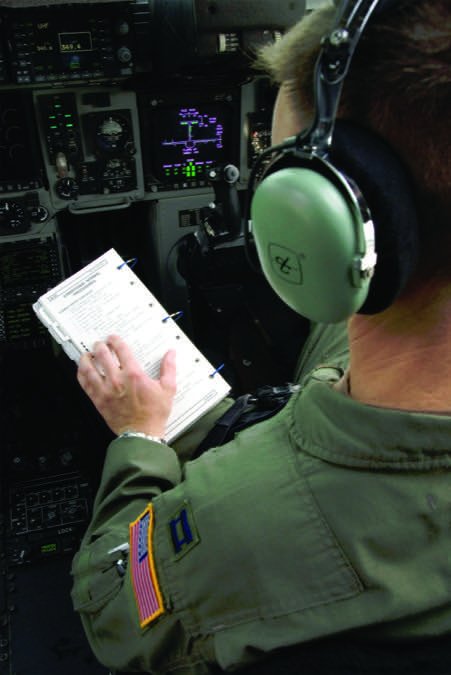


When I got my private at age 18, I was flying a Cessna 152 off a pasture. It didn’t take much to memorize the steps necessary to get the old girl started: I followed the old adage, “Kick the tires and light the fires.” When the checklist said, “Gas on fullest tank,” it was pretty easy, since the 152’s fuel selector is an on/off affair and always draws from both tanks. In my 18-year-old brain, the checklist seemed like an unnecessary list of the obvious. It either directed me to change the airplane’s configuration to what it already was in or change it to one that was patently obvious given the stage of flight. In short, my early experiences did not help me build the best of habits.
After a 20-plus-year hiatus, I returned to flying, and this time the checklist started making a lot more sense. My return to service as a rusty pilot gave me a chance to establish habits that never fully took hold the first time around. Since I was relying on a rental fleet, each time I flew, it was with healthy skepticism: You presume the last person to fly the plane assuredly did something to its configuration that might kill you. I learned pretty quickly what to look for: Leaving the fuel selector on the “wrong” tank or turned off, or leaving the pitch trim positioned to guarantee a takeoff accident. The checklist became my insurance policy that I would catch all the things that could lead to a very bad day. Of course, it helped that I was no longer 18—the reasoning behind the checklist was more clear.

