











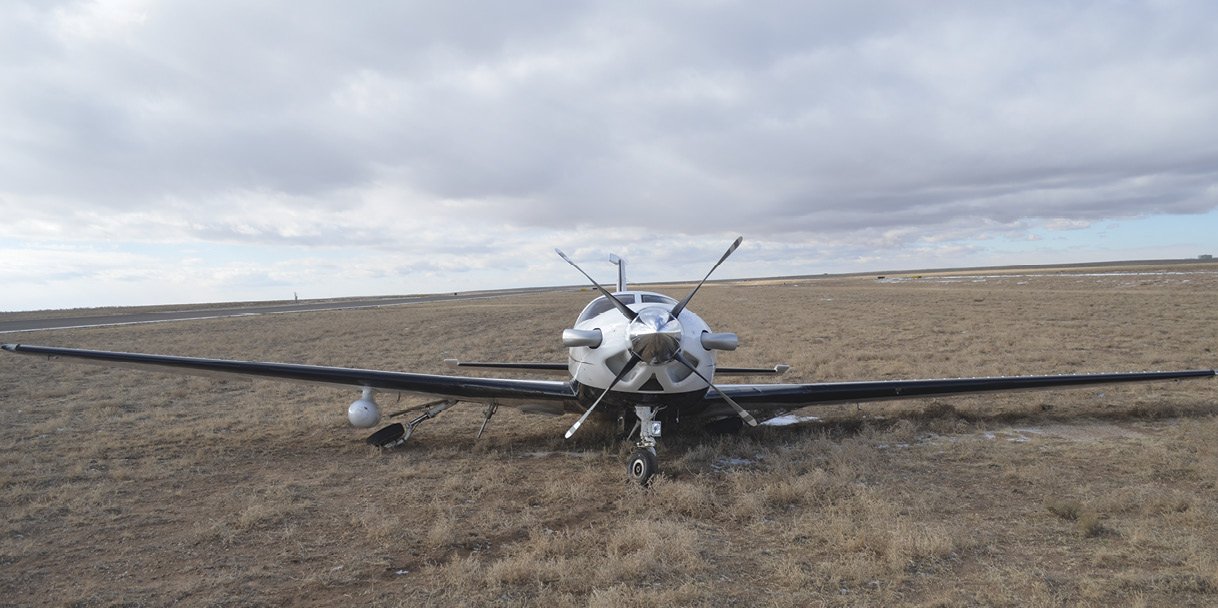


One of the oldest jokes in aviation holds that the big fan is there to cool the cockpit: Whenever it stops unexpectedly, the pilot starts to sweat. Every aviator who’s had that experience can probably confirm a significant uptick in pulse and respiration. In the best case, that’s accompanied by a corresponding intensification of focus, rapid execution of the memory steps of the emergency procedures checklist and efficient assessment of available alternatives. In the worst…well, those pilots aren’t available for interviews, but tapes of their radio transmissions can make for uncomfortable listening.
Another old adage suggests that the first step in addressing an in-flight anomaly is to wind your watch. This helps restrain the kind of impulsive, ill-considered action that might aggravate the problem. An engine stoppage, though, is one of the rare exceptions, an emergency in which seconds can really count. A sluggish or inappropriate response can quickly make a bad situation much worse. While the subsequent course of action depends on the circumstances, the first step is always the same: Lower the nose (or the collective if you’re flying a helicopter). How much and how fast depends, like everything else, on airspeed, attitude and altitude.

