The modern piston-engine airplane is really a technological marvel. For not that much more in fuel than a large SUV, one can operate an airplane in and through most weather conditions, over long distances and with navigational accuracy unheard of just a few years ago. At our fingertips are all kinds of aeronautical data and weather graphics. We have airborne sensors alerting us to thunderstorms and nearby airplanes. With the right equipment, we can send e-mail or make telephone calls, all from the comfort of our left seat.
While modern piston-engine airplanes excel in avionics and navigation, their fundamental airframes and engines have seen minimal improvement since the 1930s, contributing to a significant number of accidents.
Many engine failures are preventable and linked to pilot and owner actions, such as improper fuel management (exhaustion, starvation, contamination), inadequate oil system maintenance, and accessory/control malfunctions.
Pilots and owners can substantially enhance engine reliability and safety through diligent preflight inspections, careful fuel and oil management, and ensuring thorough maintenance of engine accessories and controls.
The modern piston-engine airplane is really a technological marvel. For not
that much more in fuel than a large SUV, one can operate an airplane in and through most weather conditions, over long distances and with navigational accuracy unheard of just a few years ago. At our fingertips are all kinds of aeronautical data and weather graphics. We have airborne sensors alerting us to thunderstorms and nearby airplanes. With the right equipment, we can send e-mail or make telephone calls, all from the comfort of our left seat.
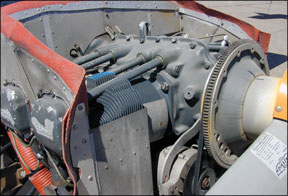
Thats the good news. The bad news is that-with notable exceptions like the Cirrus, Columbia and a too-small handful of others, the airframes havent improved much since the 1930s. But the really bad news is that-despite small refinements here and there and enlightened ways to operate them-the engines havent improved, either. Sure, turbo diesels like the Thielert show great promise and amazing efficiencies can be achieved, even with standard fare from Lycoming and Continental. But piston aircraft engines too often remain a troublesome collection of spare parts flying in close formation, searching for a Zip Code in which to begin an NTSB investigation.
288
CREATE A FREE ACCOUNT
Sign up to keep reading
Create a free account to continue. Already a member? Sign in below.