













Register

Ill Be Missing You

We all know how to fly a missed approach. We probably did a handful of them on our instrument checkrides, and when were out practicing approaches, even in a sim, we most often go missed. We may not be flying a full missed approach procedure as published, but we still have to reconfigure the airplane and climb away. When were practicing, we know how the approach will terminate: by going around at the missed approach point. Its what we expect when practicing.

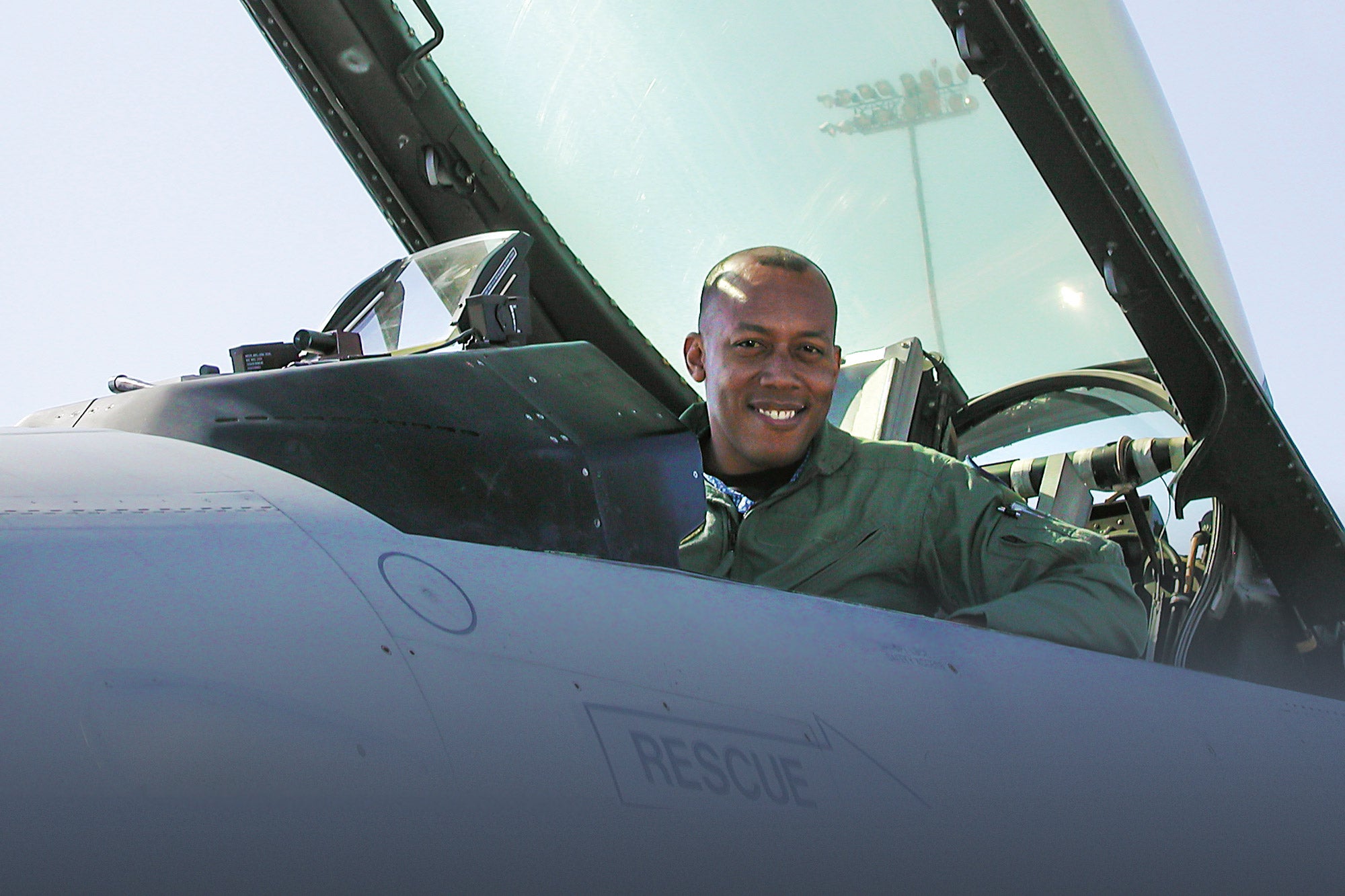
Though Gen. Charles Q. Brown Jr. felt at one with the F-16 he flew most in service, his dream is to fly one of the Red Tail P-51 Mustangs flown by the Tuskegee Airmen. U.S. Air Force
Gemini Sparkle

Key Takeaways:

  • Pilots must overcome "missed approach denial" by redefining success as precise procedure execution, not just landing. Thoroughly brief the missed approach procedure (how low, how far, which way) before the Final Approach Fix (FAF) to be ready to fly it from memory.
  • Ensure precision during the final descent by managing power to maintain a constant rate of descent, and use a "500-foot window" check for stabilization. Initiate the missed approach early if the aircraft isn't stabilized at this point.
  • Mitigate the high workload of the initial missed approach transition by pre-configuring controls (e.g., propellers to climb, mixture to rich) and prioritizing advancing power, climbing straight ahead, configuring for climb, navigating, and then reporting to ATC.
  • Be intimately familiar with your specific autopilot system, as most general aviation autopilots require disengagement and hand-flying the initial missed approach transition, often with an out-of-trim aircraft, rather than performing it coupled.
See a mistake? Contact us.

We all know how to fly a missed approach. We probably did a handful of them on our instrument checkrides, and when we’re out practicing approaches, even in a sim, we most often go missed. We may not be flying a full missed approach procedure as published, but we still have to reconfigure the airplane and climb away. When we’re practicing, we know how the approach will terminate: by going around at the missed approach point. It’s what we expect when practicing.

When you prepare to fly a for-real instrument approach, part of your briefing is the missed approach procedure. Then you fly the approach, almost always breaking out well above minimums and landing. That’s what we’ve come to expect. But what if you get to the missed approach point (MAP) and do not have the runway environment in sight? Are you really ready to fly the missed approach procedure without having to refer back to the approach chart? How can you fly this critical maneuver precisely? What are your expectations?


Ready to Sell Your Aircraft?

List your airplane on AircraftForSale.com and reach qualified buyers.

List Your Aircraft
AircraftForSale Logo | FLYING Logo
Pilot in aircraft
Sign-up for newsletters & special offers!

Get the latest stories & special offers delivered directly to your inbox.

SUBSCRIBE