














Register

Transition Training Considerations

Gemini Sparkle

Key Takeaways:

  • Pilots transitioning to a new, more complex airplane require specialized initial training, often with instructors or simulators.
  • Initial training provides immediate safety, but knowledge can fade, making recurrent training crucial for sustained proficiency and safety.
  • The article recommends seeking recurrent training every six months, far sooner than the 24-month regulatory period, to reinforce skills and address weak areas.
  • This ongoing recurrent training should be budgeted as an essential investment alongside the initial transition course.
See a mistake? Contact us.

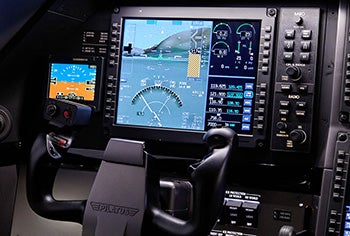
Let’s say you’ve just transitioned into a new airplane, one that’s faster, more complex and with newer avionics than the airplanes you’ve been used to flying. You’ll obviously want to fly with a flight instructor who’s familiar with the make, model and equipment aboard your new airplane. If it’s a really complex airplane like a turboprop or jet, you’ll train at one of the big-name schools in a full-motion flight simulator.

Once you’ve completed your transition training, are you safe? On the day you finish up, probably yes. But what about as time goes by and lessons that were fresh in your mind during training become fuzzy or you realize portions of the training that you didn’t fully grasp at the time become critically important in your day-to-day flying?


Ready to Sell Your Aircraft?

List your airplane on AircraftForSale.com and reach qualified buyers.

List Your Aircraft
AircraftForSale Logo | FLYING Logo
Pilot in aircraft
Sign-up for newsletters & special offers!

Get the latest stories & special offers delivered directly to your inbox.

SUBSCRIBE
