











Its no great secret that nearly all new-production aircraft now have glass cockpits and advanced devices such as weather data link. Even technologies such as synthetic vision have become the new norm. In a way, the term technically advanced aircraft (TAA) has become a misnomer but it is still widely recognized as a tag line for a variety of related issues- 288
TAA Training
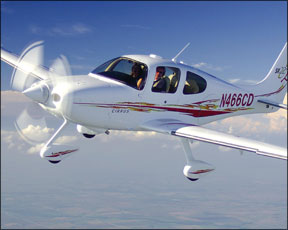
Its no great secret that nearly all new-production aircraft now have glass cockpits and advanced devices such as weather data link. Even technologies such as synthetic vision have become the new norm. In a way, the term technically advanced aircraft (TAA) has become a misnomer but it is still widely recognized as a tag line for a variety of related issues-including TAA training.

Key Takeaways:
- A recent NTSB study suggests that technically advanced aircraft (TAA) with glass cockpits have not led to expected safety improvements, pointing to deficiencies in TAA training.
- The author argues that the real issue in TAA training is not the technology itself, but the failure to properly teach higher-order pilot skills, especially risk management, which he believes is the fundamental cause of most general aviation fatal accidents.
- Current general aviation training is criticized as an outdated, maneuver-based system from the 1930s-40s that neglects critical skills like risk management, single-pilot resource management, and automation management.
- To improve safety, a shift from traditional, rote training to a modern, scenario-based approach emphasizing risk management and comprehensive decision-making is needed, driven by industry initiatives, FAA test reforms, and informed consumer demand.
Key takeaways sponsored by Aviator Pro | Start Your Training ->
See a mistake? Contact us.

