Register

Search Results for: maintaining your airplane

Features

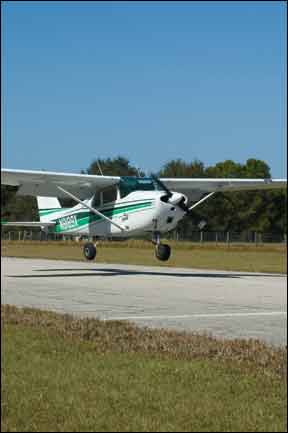
Yanking And Banking

I watched a demonstration by the pilot of a U.S. Air Force F-22 Raptor on one of the nicer weather-days at this years Sun n Fun International Fly-In and Expo (the day before the tornado hit). The Raptors most unique characteristic-from an observers standpoint and in addition to its efficient conversation of fuel into noise-is its ability to maneuver at extremely high angles of attack-maintaining a constant AoA of over 60 deg. in sustained flight. Watch an F-22-or any other high-performance aircraft-maneuver, however, and you may notice an interesting pattern. Any time the fighter changes attitude under a G-load, the pilot does so incrementally. He or she changes pitch, then changes bank, or the pilot changes bank and then changes pitch. You never see a radical pitch and bank change simultaneously.

Read More »
Features

How CFIT Happens

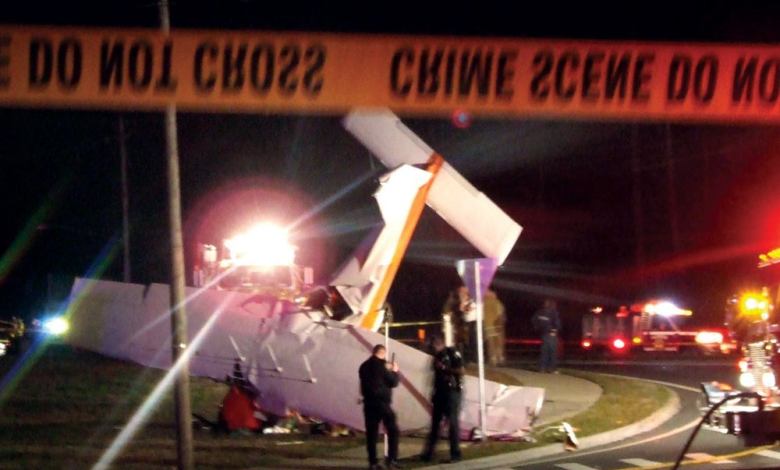
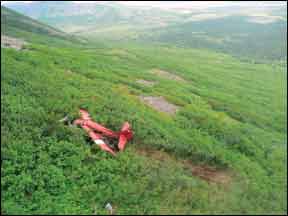
Controlled flight into terrain, CFIT, accidents afflict pilots of all skill levels-those with rookie-level experience and those with more than enough experience to know better than to fall into the traps leading to an abrupt, final, premature arrival. According to a review of NTSB records, more than 40 CFIT-related accidents occurred in the 10 years ending in 2010. And theyre unforgiving and deadly, with 39 of 43 incurring 112 fatalities. The senselessness of one such accident prompted a former NTSB staff member to suggest a review of the probable-cause report issued in an October 2009 crash. The former staffer felt the abbreviated report left a few questions unanswered; the NTSBs probable-cause cite in the final report read with characteristic candor, citing “the pilots decision to continue VFR flight into instrument meteorological weather conditions which resulted in controlled flight into terrain.”

Read More »
Features

Using Ground Effect

Ever watch an airplane float down the runway before the wheels touch? Mooneys and other clean, long-winged planes are prone to this, especially when their pilots carry a little too much airspeed down the final. How about someone doing a soft-field takeoff, who staggers into the air, nose-high, while bystanders start taking bets on whether the plane will end up in the trees? Both are encountering ground effect, which is basically some free lifting energy produced when an airfoil-whether fixed, as with an airplane or glider, or rotating, as with a rotorcraft-is within a certain distance from a surface, but both also are mishandling it.

Read More »
Pilot Proficiency

Hitting the Bull’s Eye

The next time you’re practicing in the pattern, try these basic tips to help you win that next spot landing contest — or at least touch down in the correct zip code. First, you’ll need to buy in to the premise that, on approach, pitch really does control airspeed and throttle the rate of decent. […]

Read More »
Aircraft

Gear Up: Once Old, Now Venerable

(January 2011) — When is it, exactly, that something important to you becomes invaluable? We buy things, use them and ultimately come to notice that they are getting a little tired looking or frayed about the edges. Then comes the recognition that this useful, maybe even favorite, article is getting old. A decision is at […]

Read More »
Features

Overwater Gear

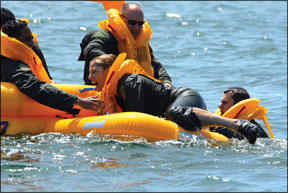
On December 4, 2010, a Piper Malibu, re-engined with a PT-6 turboprop under a supplemental type certificate, took off from Cozumel, Mexico, heading north. It never made it. Instead, according to press reports, more than two hours after takeoff and while in cruise at FL260, the turbine engine stopped producing power, turning the pressurized single into a glider. It took about 25 minutes for the Piper to glide down to the Gulf of Mexico, where it was successfully ditched close to an oil rig. The ditching site was some 170 miles south of New Orleans, the planes destination.

Read More »
Pilot Proficiency

Flying Economics 101

My dad was the one who led me to combine my dual interests in flying and writing—and as a talented pilot and storyteller, he taught me a great deal about both, particularly when I was a teenager working as a lineboy at Teterboro Airport and writing part time for a few local community newspapers. In […]

Read More »
Features

Partial-Panel Prep Tips

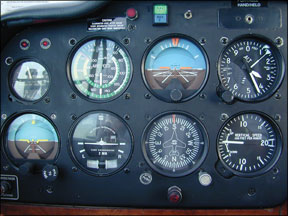
Instrument failure doesnt happen often. But when it appears in an accident report, its almost universally fatal. Instrument failure is part of the required syllabus for the IFR rating, and on the list of items to be included in an instrument proficiency check (IPC). While failures not resulting in an accident or incident arent reported, the record shows a casual, once-in-a-while demonstration of partial-panel skills doesnt prepare many pilots when an instrument actually fails in IMC. Here are 10 tips you can use in the course of every flight to prepare yourself for partial panel.

Read More »
Pilot Proficiency

Training: Difficult Decisions

Over the course of the 18 years that I have been writing for Flying, I have received a couple of indignant letters from pilots who for some reason thought an article I had written was directed at them personally. They firmly stated that they would never make the kind of mistake I had written about. […]

Read More »
Pilot in aircraft
Sign-up for newsletters & special offers!

Get the latest stories & special offers delivered directly to your inbox.

SUBSCRIBE