











Controlled flight into terrain, CFIT, accidents afflict pilots of all skill levels-those with rookie-level experience and those with more than enough experience to know better than to fall into the traps leading to an abrupt, final, premature arrival. According to a review of NTSB records, more than 40 CFIT-related accidents occurred in the 10 years ending in 2010. And theyre unforgiving and deadly, with 39 of 43 incurring 112 fatalities. 288
How CFIT Happens
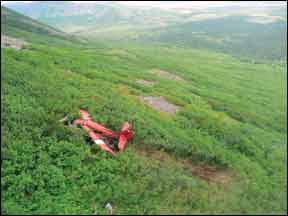
Controlled flight into terrain, CFIT, accidents afflict pilots of all skill levels-those with rookie-level experience and those with more than enough experience to know better than to fall into the traps leading to an abrupt, final, premature arrival. According to a review of NTSB records, more than 40 CFIT-related accidents occurred in the 10 years ending in 2010. And theyre unforgiving and deadly, with 39 of 43 incurring 112 fatalities. The senselessness of one such accident prompted a former NTSB staff member to suggest a review of the probable-cause report issued in an October 2009 crash. The former staffer felt the abbreviated report left a few questions unanswered; the NTSBs probable-cause cite in the final report read with characteristic candor, citing "the pilots decision to continue VFR flight into instrument meteorological weather conditions which resulted in controlled flight into terrain."

Key Takeaways:
- Controlled Flight Into Terrain (CFIT) accidents are highly fatal, affecting pilots of all experience levels who inadvertently fly perfectly good aircraft into obstacles or the ground.
- Key causes include poor pilot judgment, such as continuing VFR flight into instrument meteorological conditions (IMC), navigation errors, incorrect altimeter settings, and disregarding published minimum altitudes.
- Prevention of CFIT relies on utilizing the IFR system when warranted, strict adherence to minimum safe altitudes, ensuring accurate altimeter settings, and minimizing cockpit distractions.
Key takeaways sponsored by Aviator Pro | Start Your Training ->
See a mistake? Contact us.

