











Ever watch an airplane float down the runway before the wheels touch? Mooneys and other clean, long-winged planes are prone to this, especially when their pilots carry a little too much airspeed down the final. How about someone doing a soft-field takeoff, who staggers into the air, nose-high, while bystanders start taking bets on whether the plane will end up in the trees? Both are encountering ground effect, which is basically some free lifting energy produced when an airfoil-whether fixed, as with an airplane or glider, or rotating, as with a rotorcraft-is 288
Using Ground Effect
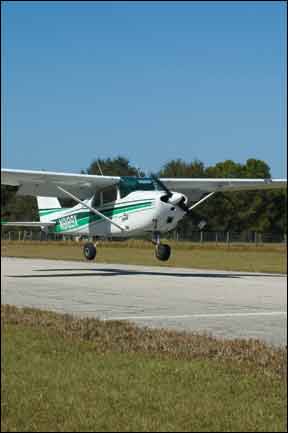
Ever watch an airplane float down the runway before the wheels touch? Mooneys and other clean, long-winged planes are prone to this, especially when their pilots carry a little too much airspeed down the final. How about someone doing a soft-field takeoff, who staggers into the air, nose-high, while bystanders start taking bets on whether the plane will end up in the trees? Both are encountering ground effect, which is basically some free lifting energy produced when an airfoil-whether fixed, as with an airplane or glider, or rotating, as with a rotorcraft-is within a certain distance from a surface, but both also are mishandling it.

Key Takeaways:
- Ground effect is a phenomenon where an airfoil experiences increased lift and reduced induced drag when flying close to a surface (less than a wingspan), due to minimized wingtip vortices and increased pressure beneath the wing.
- Pilots can advantageously use ground effect during takeoff, particularly from soft fields, by lifting off at minimum airspeed and accelerating just above the surface before initiating a climb.
- When landing, anticipating ground effect allows pilots to utilize the increased lift to slow down effectively, achieve a controlled float, and ensure a soft, precise touchdown at the lowest possible speed.
- Many pilots mishandle ground effect, causing issues like excessive floating during landing or difficulty climbing after takeoff, underscoring the importance of understanding and harnessing this natural aerodynamic advantage.
Key takeaways sponsored by Aviator Pro | Start Your Training ->
See a mistake? Contact us.

