Register

Search Results for: maintaining your airplane

Avionics and Gear

Autothrottle Advances

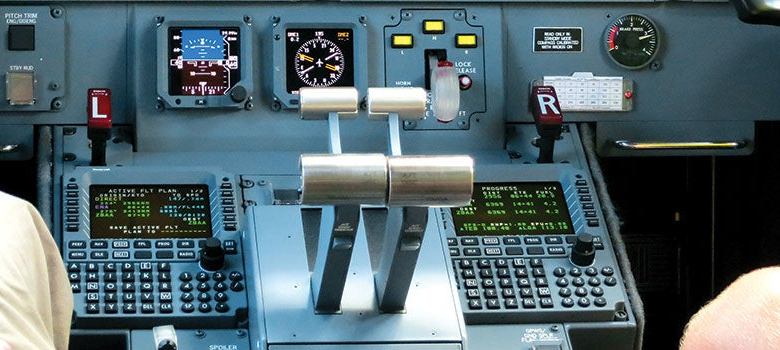
Significant advances in aviation technology usually arrive not with a brilliant flash of light and poof of smoke but over many years, in a slow, inexorable evolution of products that we sometimes don’t even recognize as signifying a momentous change until, suddenly, the next incredible new capability is in our midst. When we stop to […]

Read More »
Features

Top Five Landing Tips

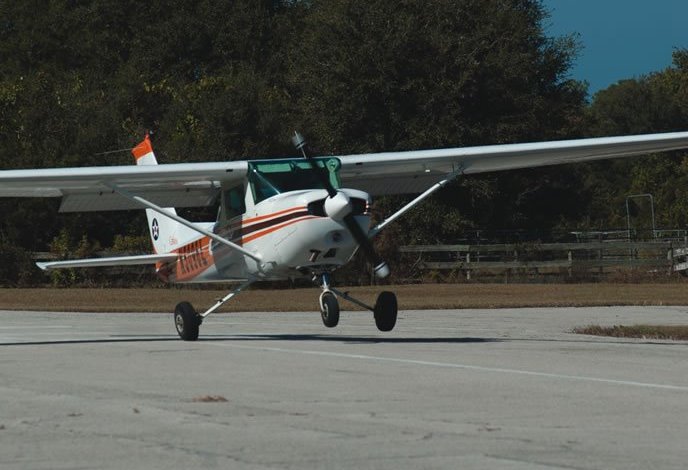
If youre doing it right, and everything works as advertised, that takeoff you just made eventually must be followed by a landing. While takeoffs pose their own challenges, landings can be problematic for many pilots. You might have a problem with airspeed, or with when and how to flare. You might have a problem with picking an aiming point, or what to do when pointing the airplane at it becomes elusive. But thousands of pilots make thousands of successful, we-can-use-the-airplane-again landings each day, and none of them are super-pilots. You can, too.

Read More »
Pilot Proficiency

Voice of Rescue: An Air Traffic Controller Saves a Pilot’s Life

The fast-moving cold front bristled against the western edges of Washington’s Cascade Mountains. Rain showers and gusty winds swirled through the valleys as thick clouds enveloped the rising terrain. Darkness had long since fallen that February night as clock hands edged past 10 p.m. Air traffic controller Jared Mike plugged his headset into the workstation […]

Read More »
Avionics and Gear

GPS Holds

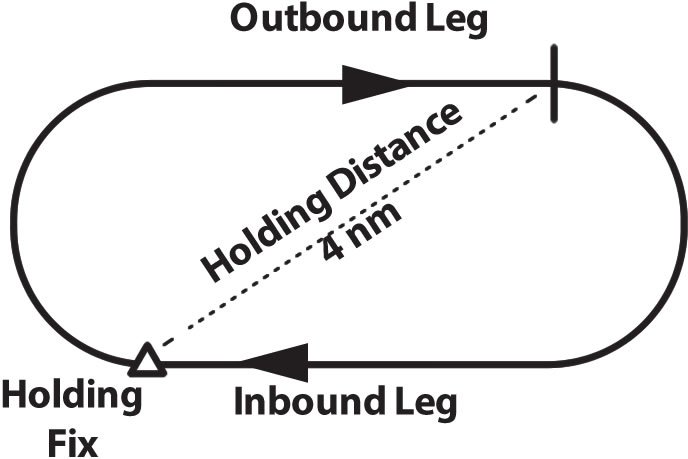
A longstanding corollary to Murphys Law asserts that Interchangeable parts wont. So it is when we set out to compare conventional holds to GPS holds. In some respects they can be quite different, and the subtle GPS differences can become suddenly important. Here, then are the ins-and-outs of flying GPS holds.Consider that there are three phases to any hold: the entry, the execution and maintaining the established hold. I call them the three Es. Lets scrutinize each phase from both conventional and GPS perspectives, then apply that knowledge to some GPS navigators. But, before we dig into that, lets take a closer look at the difference between a GPS (DME) hold and a conventional holding pattern.

Read More »
News

Diesel Trainer Market Booming in China

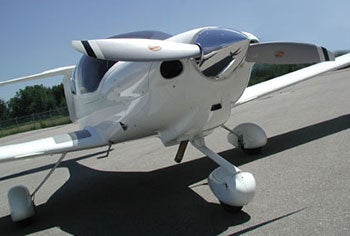
Training airplanes powered by fuel-efficient compression ignition diesel engines are catching on in a big way in China, where the burgeoning GA infrastructure favors jet-A fuel rather than 100LL avgas. In the latest move to diesel power, the Xinjiang Tianxiang Flight School in northwest China is doubling its fleet of Diamond DA40 trainers to 30 […]

Read More »
Technique

Flying by Vertical Angles

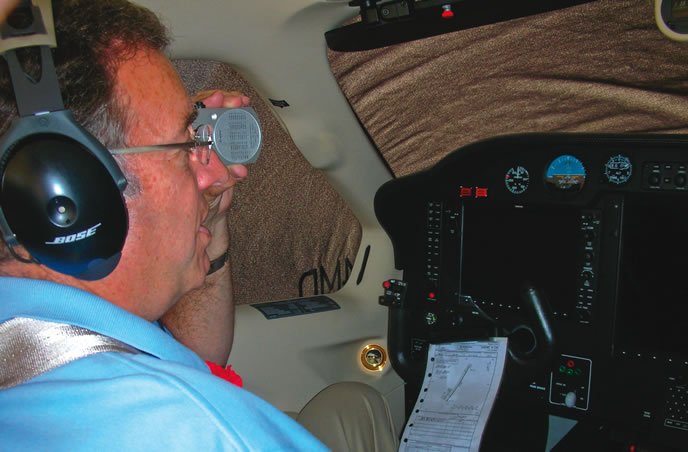
Aircraft performance parameters are typically expressed as measurements of speed (indicated and true), altitude and vertical speed. Often overlooked is angle as an expression of performance. Angles are a terrific tool for estimating glide and approach performance, avoiding clouds and storms and avoiding obstacles and terrain on takeoff. There are two related subjects: how to measure angles while in flight, and how measured angles can solve in-flight problems. Lets start with measurement.

Read More »
Avionics and Gear

Portable GPS in IFR

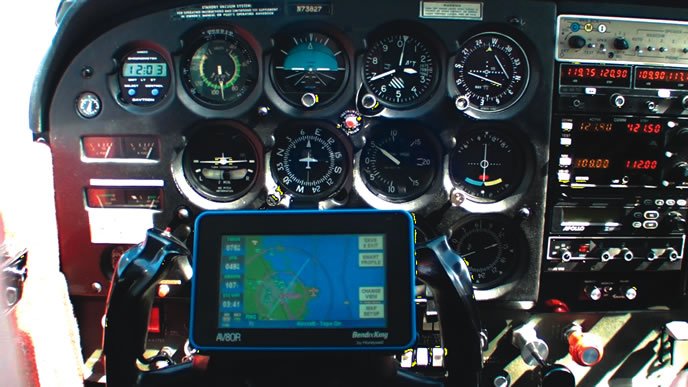
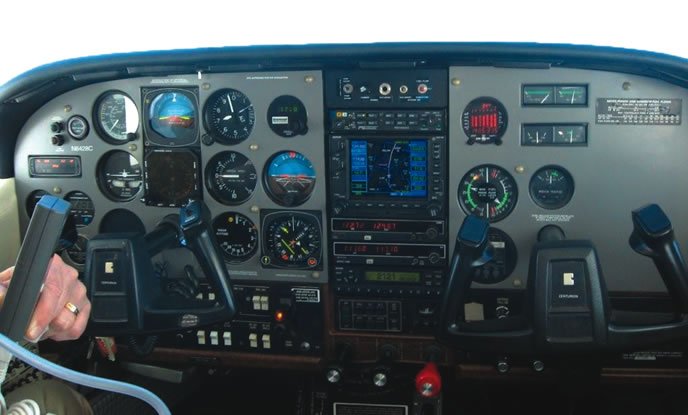
Portable GPS units are the Mighty Mice of the cockpit. They have enough navigation power and display enough data that you could fly a below-minimums approach in an emergency using nothing but that GPS and a gyro or two to stay upright. Many can supply frequencies or airport elevation faster than you can find it on a chart. And, for the majority of us pilots who fly on conventional gauges, they can take most of the guesswork out of IFR flying-even if you have a panel-mount GPS.

Read More »
Technique

Wind on the ILS

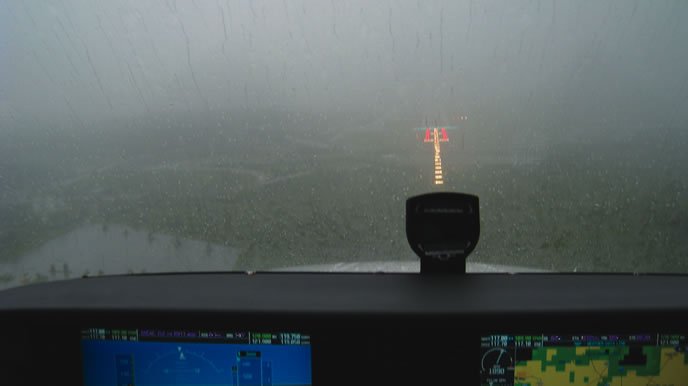
Youre descending on the glideslope for the ILS 29 with a 25-knot tailwind. Winds at the surface are eight knots from the southwest. Quick: What two corrective actions will you need to make over the next three minutes? With enough experience youll get it right, but ask yourself: Is this brand of analysis second nature to you? Sure, you can just follow the needles and correct, but thats accepting being behind the curve rather than mastering it. An understanding of the variables affecting an approach path give you the capacity for proactive, rather than reactive, piloting.

Read More »
Readback

Readback: May 2010

On page 14 of the February issue (Glass Panel Scans), you state that a case can be made for flying track instead of a heading assigned by ATC. This I have to hear. When a controller assigns me a heading, that is what he wants me to do, and doing something else would seem to constitute failure to follow an ATC instruction. Your thoughts?

Read More »
Aircraft

Extreme Flying: How Modern Fliers are Busting Limits

“This whole thing of ‘The sky is the limit’ — it’s not,” says professional aerobatic pilot Rob Holland. “The sky is just a playground.” Nothing could be closer to the truth when it comes to people who engage in extreme flying adventures. Whether they fly powered or nonpowered aircraft, these individuals are pushing the boundaries […]

Read More »
Pilot in aircraft
Sign-up for newsletters & special offers!

Get the latest stories & special offers delivered directly to your inbox.

SUBSCRIBE