













Register

GPS Holds

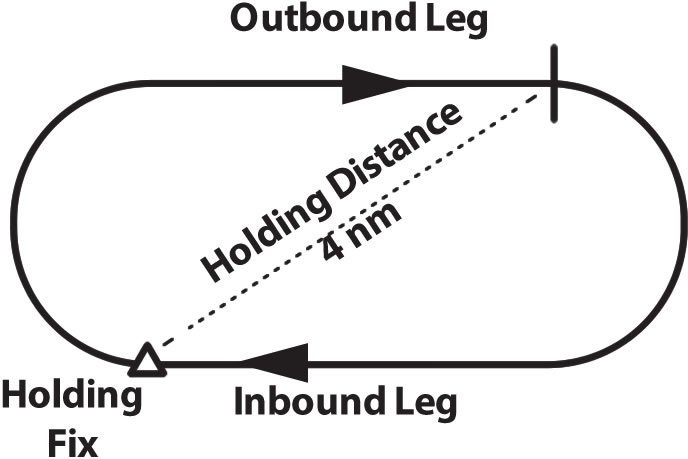
A longstanding corollary to Murphys Law asserts that Interchangeable parts wont. So it is when we set out to compare conventional holds to GPS holds. In some respects they can be quite different, and the subtle GPS differences can become suddenly important. Here, then are the ins-and-outs of flying GPS holds.Consider that there are three phases to any hold: the entry, the execution and maintaining the established hold. I call them the three Es. Lets scrutinize each phase from both conventional and GPS perspectives, then apply that knowledge to some GPS navigators. But, before we dig into that, lets take a closer look at the difference between a GPS (DME) hold and a conventional holding pattern.


Gemini Sparkle

Key Takeaways:

  • GPS holds are primarily distance-based (e.g., 4 nm DME), differing from conventional time-based holds, and their execution heavily relies on the navigator's capabilities, with advanced WAAS-capable systems providing dynamic course guidance.
  • Entry into GPS holds, particularly teardrops, requires careful consideration of factors like airspeed and wind for correct bank angles, though conventional entry methods are often acceptable.
  • The specific execution of GPS holds varies significantly between different navigators (e.g., G1000 vs. KLN 94), often requiring precise operational procedures and effective use of OBS (Omni Bearing Select) mode for proper guidance and preventing unintended sequencing.
  • Maintaining proficiency in holding patterns remains a fundamental IFR skill, essential not just for rare actual holds but also for common procedures like hold-in-lieu of procedure turns.
See a mistake? Contact us.

A longstanding corollary to Murphy’s Law asserts that “Interchangeable parts won’t.” So it is when we set out to compare conventional holds to GPS holds. In some respects they can be quite different, and the subtle GPS differences can become suddenly important. Here, then are the ins-and-outs of flying GPS holds.

Consider that there are three phases to any hold: the entry, the execution and maintaining the established hold. I call them the three “E”s. Let’s scrutinize each phase from both conventional and GPS perspectives, then apply that knowledge to some GPS navigators. But, before we dig into that, let’s take a closer look at the difference between a GPS (DME) hold and a conventional holding pattern.

Ready to Sell Your Aircraft?

List your airplane on AircraftForSale.com and reach qualified buyers.

List Your Aircraft
AircraftForSale Logo | FLYING Logo
Pilot in aircraft
Sign-up for newsletters & special offers!

Get the latest stories & special offers delivered directly to your inbox.

SUBSCRIBE