Register

Search Results for: general aviation inc

Pilot Proficiency

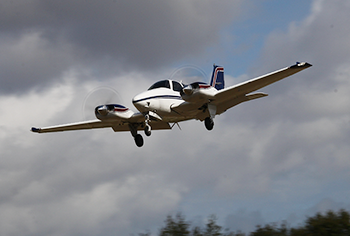
GA’s Improving Safety Picture

Flying isn’t safe. I will admit that. But it’s less dangerous today than it ever has been. It will be safer still five years from now. We should be celebrating this victory — but cautiously. Because we never want to slip back into our old habits and return to the bad old days when flying […]

Read More »
Briefing

Briefing: October 2015

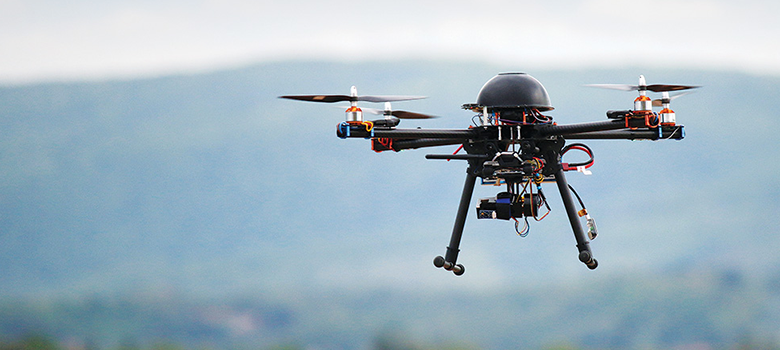
The FAA raised concerns this summer over the escalation of pilot reports of drone encounters, with 650 reports in the first half of the year, nearly three times as many as in all of 2014. Encounters occurred at altitudes up to 10,000 feet and were reported by aircraft from helicopters to airliners. Conflicts with firefighters also were on the rise. In August, the Transportation Departments Office of Inspector General said it would launch an audit to scrutinize the FAAs procedures for allowing drone operations in the national airspace.

Read More »
Weather

Inside METARS and TAFs

METARs and TAFs have long been the mainstays of aviation weather. Youve probably got a handy decoding guide on your desk or bookmarked in your web browser, so we wont focus on that. However well fill you in with background information-ranging from trivia to amuse other pilots on a long haul, to important tidbits that will provide insight and some options in rough weather.

Read More »
Training & Sims

Filling in the Gaps

When I trained for my private pilot certificate, 91.103 was drilled into my head. Each pilot in command, it says, shall, before beginning a flight, become familiar with all available information concerning that flight. The core of that is straight from the Boy Scouts: be prepared. Now, as an air traffic controller, it concerns me when pilots arent aware of major issues affecting their flight. Sometimes we controllers have to be the voice of reason, preventing a pilot from doing something that may not be in his best interest. Other times, we have to hold his hand and walk him through a new situation. Thankfully, the vast majority of our operations are routine. Its the remainder that can make things interesting. Facing an underprepared or overzealous pilot can test a controllers knowledge of his rules, his airspace, and his ability to think outside the box to find a safe, legal solution.


Read More »
System

Your Vor is History

The only reason for VORs is for airways and instrument approaches. With GPS navigation taking over, its difficult to cost-justify ground-based navigation sources like VORs, many of which are nearing the end of their lives. T and Q routes are popping up, reducing the need for VOR-based airways, and many of us would prefer to fly a GPS-based approach than all the other types. Face it: GPS is in; VORs are out.A few years ago, the FAA wanted to axe half the VORs, but users have collectively pushed back. The current plan is to trim the 967 existing VORs by 300, in three phases of 100 each by 2025.But, its a chicken-or-the-egg thing. They cant get rid of the VORs until they get rid of the airways and the approaches. GPS-direct navigation is common already. So, eliminating airways should be reasonably simple. That leaves approaches as the limitation and the short-term solution. So, for now, the FAAs focus is on eliminating ground-based approaches.

Read More »
Aircraft

FAA Appoints Two To Head UAS Safety Office

As the FAA gets serious about stemming the threat of UAVs mixing in airspace with general aviation and airline traffic, the agency has appointed two new executives to head its UAS Integration Office. Retired U.S. Air Force major general Marke “Hoot” Gibson has been tapped to become the senior advisor on UAS integration, reporting to […]

Read More »
Pilot Proficiency

Advice on Life and Flying

Over the last few days I’ve been getting a lot of advice from a lot of people who I would say are a lot smarter than me and who have a lot more experience, in aviation and in life. It’s gratifying to know there are accomplished folks who are willing to take the time to […]

Read More »
News

GA Safety Shows Marked Improvement

The most recent general aviation safety report from AOPA’s Air Safety Institute shows an “unprecedented” decrease in non-commercial airplane accidents, dropping below 1,000 annually for the first time. It’s tempting to correlate the drop in GA fixed-wing accidents with a reduction in overall flight hours, but FAA estimates show that the safety improvement notched noteworthy […]

Read More »
Features

Maneuvering Stalls

One of the first things primary students learn in their training is the relationship of airspeed to stalls. Unfortunately, the Primacy Law can take over, leaving some pilots with the unshakable belief stalls only can happen at stalling speed, either clean (VS/VS1) or in the landing configuration (VS0). Thats basically true in 1g flight but not if any additional loading is placed on the wings, as often is the case when were maneuvering. In that situation, stall speed increases, sometimes dramatically.

Read More »
Features

Why Smart Pilots Crash

Ive noticed there is a bias, sometimes spoken aloud, that a pilot who made some sort of a mistake and had an accident was either not terribly bright, lacked basic skills or just plain didnt have the magical right stuff. As an instrument instructor, Ive certainly seen pilots with poor skills or who werent terribly bright or had lousy judgment, and some of them crashed an airplane. Ive also seen some extraordinarily good pilots who were possessed of all the right stuff imaginable, who also made mistakes and crashed.

Read More »
Pilot in aircraft
Sign-up for newsletters & special offers!

Get the latest stories & special offers delivered directly to your inbox.

SUBSCRIBE