













Register

Wreck Hunters: Uncovering the History of Unlucky Aviators

Gemini Sparkle

Key Takeaways:

  • Aviation wreck hunting involves meticulous research and physical exploration to locate and document crash sites, preserving their historical significance.
  • Wreck hunters prioritize respecting the sites and victims, often leaving artifacts in situ and refraining from sharing exact locations to prevent vandalism.
  • The pursuit often uncovers poignant personal stories, providing emotional closure for family members of the lost.
  • Beyond historical preservation, documenting these sites contributes to understanding past accidents and informing aviation safety improvements.
See a mistake? Contact us.

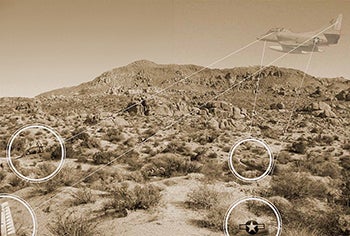
Climbing over large boulders blocking the mouth of a narrow, sandy canyon near Joshua Tree, California, I stopped to catch my breath. Somewhere on the steep, rock-strewn hills just ahead, the remains of a TA-4F Skyhawk lay undisturbed. At 3:07 p.m. on Oct. 23, 1969, the ill-fated jet on a training flight originating in Yuma, Arizona, spun in from 31,000 feet, exploding on impact. The 29-year-old pilot bailed out successfully and hiked down this very canyon seeking assistance. His 24-year-old copilot wasn’t so lucky. His ejection seat malfunctioned, and he perished. No one had visited this crash site since its cleanup shortly after the crash. If our group could locate the site, we would be uncovering a story that had remained untold for 44 years.

**THE HUNTERS AND THE HUNTED **

Ready to Sell Your Aircraft?

List your airplane on AircraftForSale.com and reach qualified buyers.

List Your Aircraft
AircraftForSale Logo | FLYING Logo
Pilot in aircraft
Sign-up for newsletters & special offers!

Get the latest stories & special offers delivered directly to your inbox.

SUBSCRIBE
