Pilot Proficiency

The FAA Regulation that Gives the PIC the Last Word

Shakespeare wrote that “brevity is the soul of wit,” but apparently that memo never made it to 800 Independence Ave. Any pilot who has spent more than a few minutes doing battle with the 3-inch-thick book of federal aviation regulations knows the FAA specializes in long, complex rules that try to cover every possible scenario. […]

Read More »

How It Works: TKS Ice Protection System

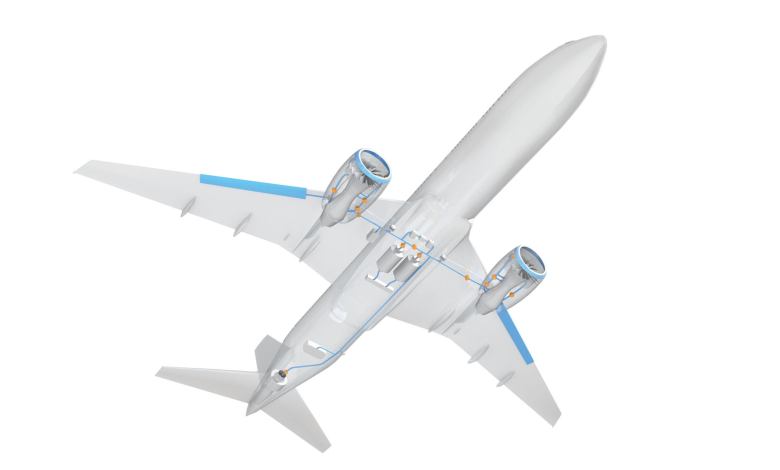
First developed in World War II, TKS systems were created for Royal Air Force bombers as an alternative to pneumatic boot deicing. Today, the technology continues to buy crucial time for pilots as they work to implement exit strategies when faced with dangerous icing conditions. How It Works TKS systems dispense an ethylene glycol-based fluid with a freezing […]

Read More »

Low Clouds and Fog

November in the U.S. means the risks from thunderstorms have disappeared everywhere except the Gulf Coast region as a new set of problems emerge, from icing to turbulence to low clouds, fog, and high winds. A breakdown of accident statistics helps tell us where to focus our attention first. Using a 2003-2007 study, we find that where weather was a cause or contributing factor, low ceilings and visibility were the #2 factors, involved in 18 percent of all weather-related accidents.

Read More »

How the Stork Inspired Human Flight

The migratory white stork has been a welcome visitor to Europe for centuries. It seems to display a peculiar affinity for human beings, building its huge stick nests on their rooftops and chimneys, foraging in their fields, and playing starring roles in their myths and legends. It eats mice and rats, is thought to bring […]

Read More »

On the Record: Piper PA-24

Piper PA-24 Sturgis, South Dakota / Injuries: 1 Serious, 1 Minor The pilot reported that he was conducting an instrument approach in instrument meteorological conditions. Upon reaching the decision altitude, the front-seat passenger reported the runway was in front of the airplane. The pilot looked up from the instruments, but could not see the runway […]

Read More »

On the Record: Evolution Revo

Evolution Revo Buckeye, Arizona / Injuries: 1 Fatal The commercial pilot, who had a total flight experience of about 4,500 hours in conventional airplanes, was learning to fly weight-shift-control (WSC) aircraft with the expressed intent of purchasing a high-performance WSC aircraft. The pilot obtained all of his 13.5 hours of WSC experience, including his WSC […]

Read More »

How It Works: Terrain Awareness and Warning System

Accidents attributed to controlled flight into terrain (CFIT) have decreased significantly over the years thanks to the introduction of the terrain awareness and warning system (TAWS). The technology provides life-saving information and serves as a vital layer of protection as aircraft navigate changing terrain in various weather conditions. TAWS pulls aircraft position, speed and direction […]

Read More »
Pilot in aircraft
Sign-up for newsletters & special offers!

Get the latest stories & special offers delivered directly to your inbox.

SUBSCRIBE