













Walk into any flight operation and they’ll tell you that safety is the top priority. As of 2016, accident rates across the board from GA to commercial operations have fallen to an all-time low. This is thanks to the cooperative efforts of pilots, controllers, technicians, instructors, and the organizations that support them.
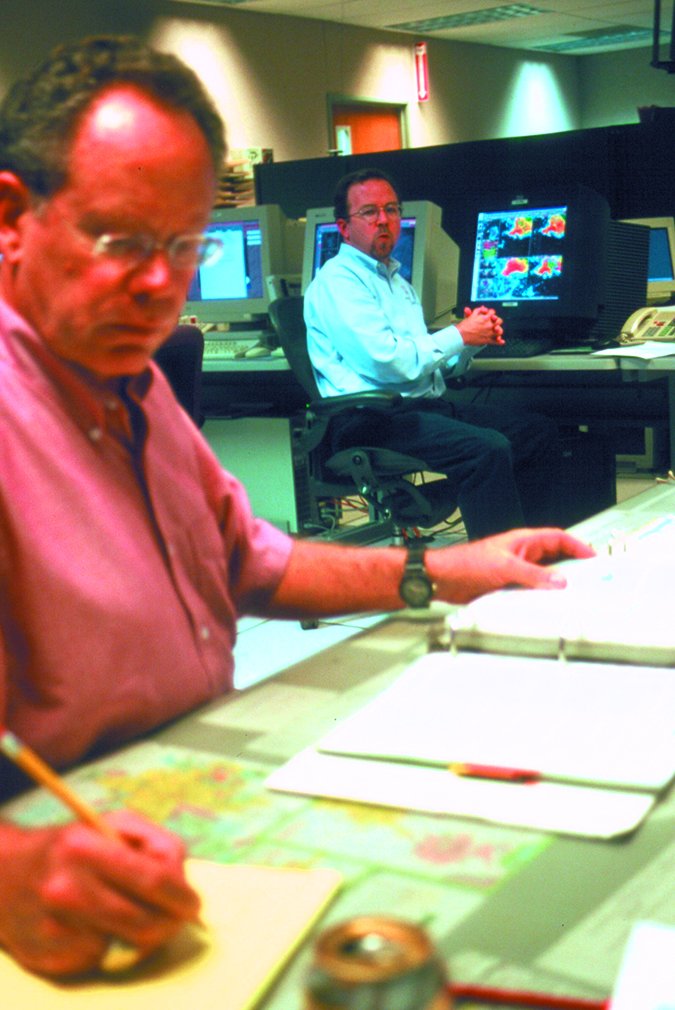
Given the great improvements in safety and the stringent standards that apply to everything from replacement of a torque link bolt to the handoff of an aircraft by ATC, it might seem strange that we’re approaching the year 2020 and busted TAFs (Terminal Aerodrome Forecasts) are still a fact of life. This is not due to any failure by the National Weather Service or the FAA, but is a reflection of the limitations of our ability to properly sample the atmosphere and resolve processes at the smallest scales. Forecasting, even in 2017, still remains a blend of science with human intuition and experience, and will likely remain so for some time.

