











Students of introductory biology learn a basic lesson about sensory perception in a quirky behavior found in certain amphibians that has become common lore. By now we all know that if a frog is placed in hot water, he will immediately jump out to safety. However, if the frog is placed in cool water that is gently heated to boiling, the frog does not perceive the gradual rise in temperature or the impending danger. Likewise, when a pilot is presented with a problem or emergency that is an obvious attention-getter, he or she will react quickly to solve the immediate threat-a frog 288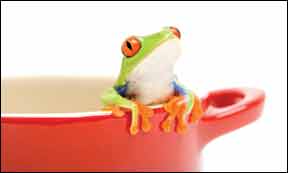
Maintaining Safety Margins
Students of introductory biology learn a basic lesson about sensory perception in a quirky behavior found in certain amphibians that has become common lore. By now we all know that if a frog is placed in hot water, he will immediately jump out to safety. However, if the frog is placed in cool water that is gently heated to boiling, the frog does not perceive the gradual rise in temperature or the impending danger. Likewise, when a pilot is presented with a problem or emergency that is an obvious attention-getter, he or she will react quickly to solve the immediate threat-a frog leaping from scalding water.

Key Takeaways:
- "Process drift" describes a dangerous, gradual degradation in pilot safety practices and vigilance, often unnoticed like the "boiled frog" in slowly heating water.
- This drift stems from root causes such as complacency, false confidence, skill atrophy, and inadequate familiarity with advanced avionics, leading to preventable accidents and operational errors.
- Combating process drift requires acknowledging the phenomenon, proactively identifying root causes (e.g., via the "five-whys" method), and committing to consistent, frequent training.
Key takeaways sponsored by Aviator Pro | Start Your Training ->
See a mistake? Contact us.

