Register

Technique

The GPS/ILS Approach

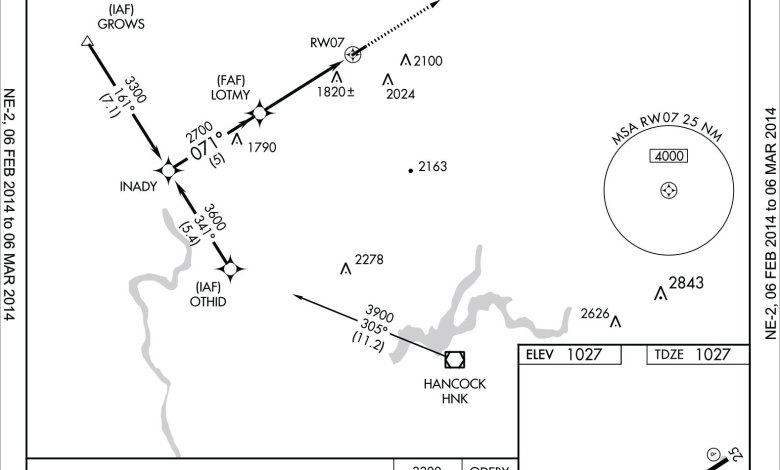
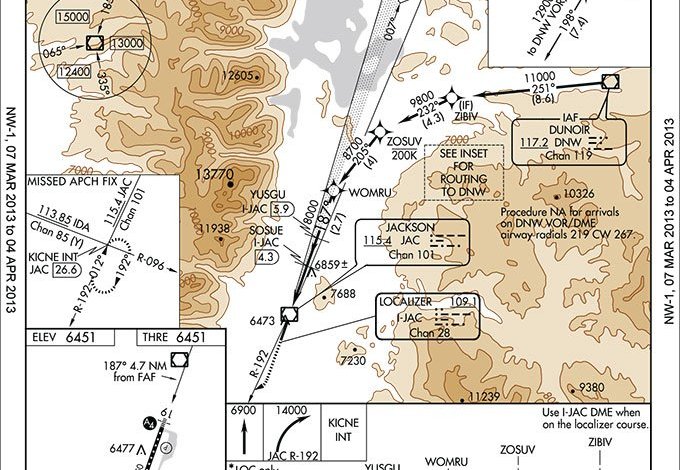
A flying friend of mine likes to say that you know you’re into something interesting when you have to sign a waiver beforehand. In the IFR world, I tend to think of approach procedures having an alphabetical suffix, such as RNAV (GPS) Z RWY 01, the same way. Whenever you see one of these, something […]

Read More »

On Top of The World

There are actually two pieces to this. There’s the clearance to maintain altitude “VFR-on-top” itself, but there is also the variation mentioned in “Tame the Fog Monster” last month, the IFR departure to VFR-on-top. Both are useful tools that deserve a closer look. The first is simply a clearance to climb to VFR-on- top. “Climb […]

Read More »

Which Way to Turn?

Every seasoned pilot occasionally finds a stubborn thunderstorm blocking the path like a bully in the schoolyard. We wonder not only where to deviate but whats on the other side. If you have a weather display, youve got a better idea of what lies ahead, but theres always uncertainty about how safe it is to cross the area. An understanding of thunderstorm patterns and ingredients, and considering the basic meteorology pattern of the day is…

Read More »

Obstacle Clearance

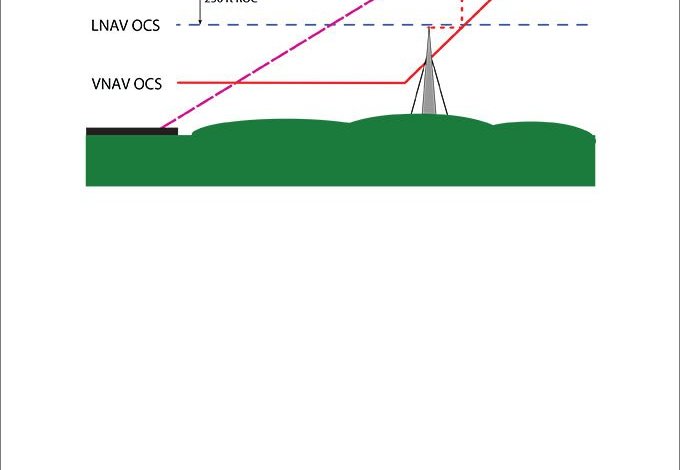
When we think of GPS-based instrument approaches, we usually lump all the approach minima into a single “GPS approach” bucket. We tend to mentally order the types with WAAS as better than non-WAAS, and vertical guidance better than those without. After all, that’s how the magic box picks the type of service to provide.

Read More »

IFR with Reduced ATC

Just as we put this issue to bed, the US legislature passed a bill funding ATC by allowing the FAA to raid our airport funds. We welcome the stay, but we fear politics and budgetary constraints may yet curtail ATC, so this article will help you be ready if/when the other shoe drops. —FB In […]

Read More »

The Vis

Visual approaches have been in the news a lot recently. On July 6, Asiana Airlines Flight 214 hit a seawall short of San Francisco’s Runway 28L and crashed. The flight had been cleared for a visual approach to Runway 28L. The ILS was out, but the PAPI was in service, so there was some vertical […]

Read More »

Good Old Dive-n-Drive

Everyone seems to be on the constant descent final approach (CDFA) bandwagon these days, telling us to avoid the trusted and long-used dive-n-drive technique on non-precision approaches. To be clear, I am not arguing against using a CDFA technique. Indeed, CDFA is a valuable tool. Add the availability of an advisory glideslope from modern navigators-although not required for a CDFA-and CDFA becomes as simple as an ILS. So, why use dive-n-drive at all? Im glad you asked.

Read More »

ATC Routing Realities

It had been a fun morning. The heater had broken in the TRACON radar room. It was 20 degrees outside, not much better inside, and the hot chocolate I was drinking was losing its steam-literally. On top of that, busy last-minute holiday traffic had been giving our morning skeleton crew a kick in the teeth.

Read More »

Flying Fatigued

Most of us know that the F in IM SAFE stands for fatigue. Now, fatigue isnt cited as a significant factor in many general aviation accidents, so we must be doing a pretty good job of being properly rested, right?

Read More »

Turbulence V-Speeds

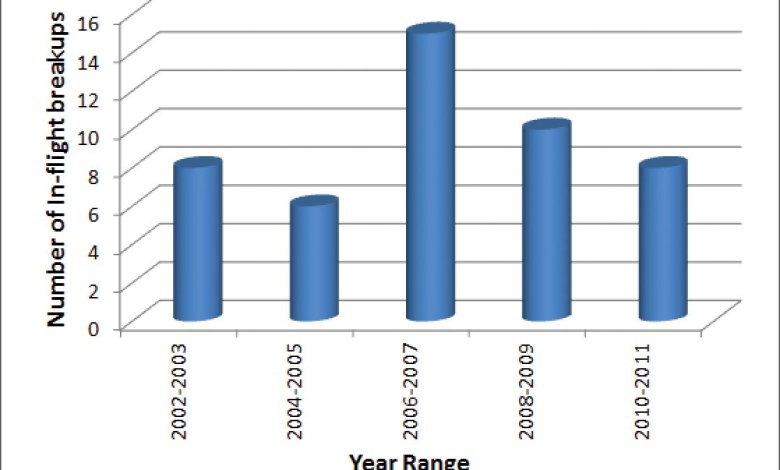
Structural failure accidents, often from getting too friendly with thunderstorms, kill both people and what little good press GA is able to garner. In the last decade, 50 accidents-about 10 per cent of all accidents-were due to in-flight structural failure. Worse, even with better weather data in flight, these accidents arent going away.

Read More »
Pilot in aircraft
Sign-up for newsletters & special offers!

Get the latest stories & special offers delivered directly to your inbox.

SUBSCRIBE