











Visual approaches have been in the news a lot recently. On July 6, Asiana Airlines Flight 214 hit a seawall short of San Francisco’s Runway 28L and crashed. The flight had been cleared for a visual approach to Runway 28L. The ILS was out, but the PAPI was in service, so there was some vertical guidance.
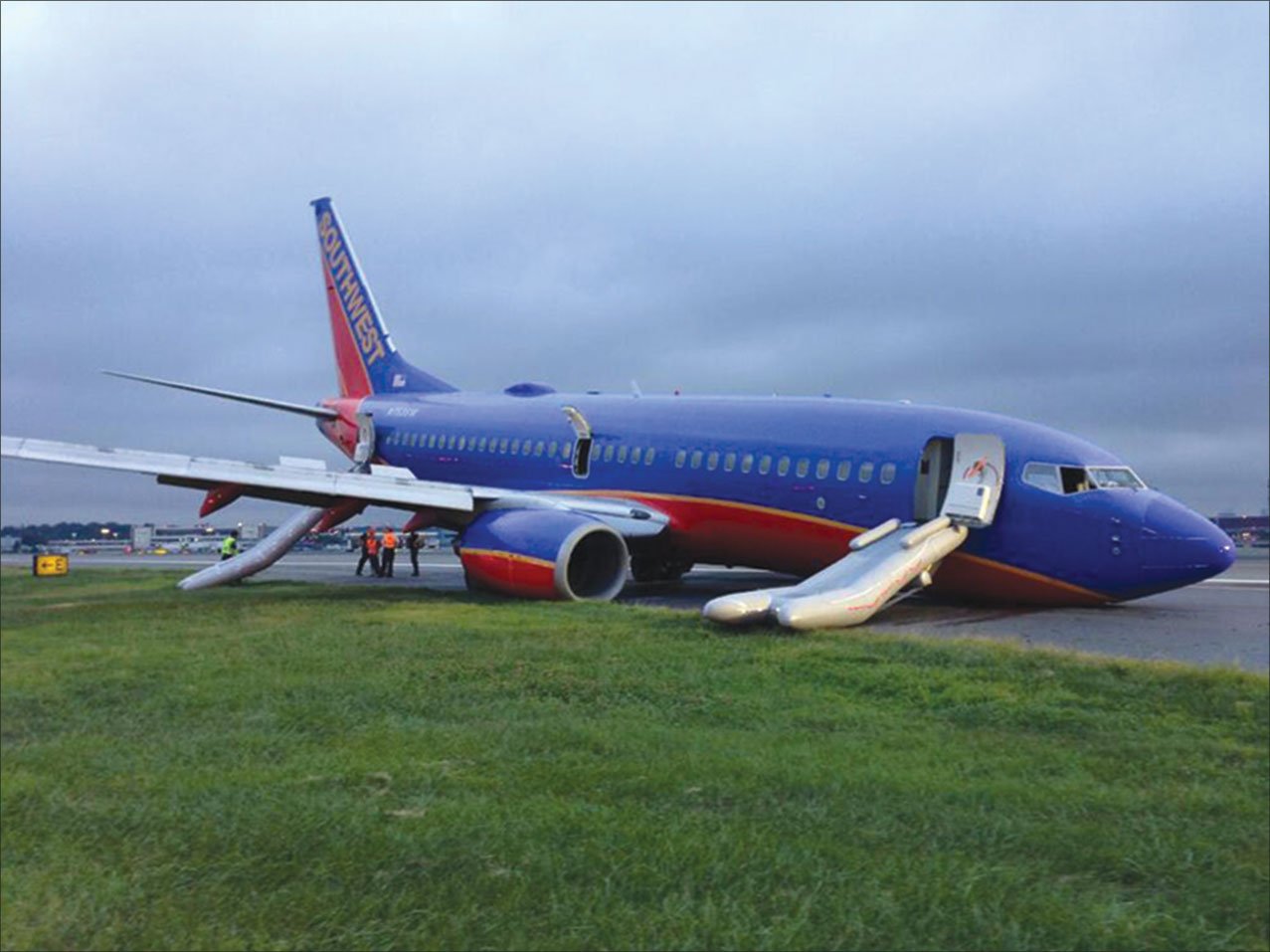
Later that same month, a Southwest Airlines Boeing 737 landed nose-wheel first on a visual approach at La Guardia. The nose gear crumpled beneath their feet, making the B-737 far more difficult to steer.
The Vis

Key Takeaways:
- Visual approaches are deceptively dangerous, contributing to a high percentage of approach-and-landing accidents (30%, rising to 70% at night) due to being underestimated and often lacking sufficient pilot training post-certification.
- Although flown in Visual Meteorological Conditions (VMC), visual approaches are IFR procedures requiring specific weather (1000-3 visibility) and placing full responsibility for navigation, obstacle avoidance, and VMC maintenance on the pilot, notably without an inherent missed approach segment.
- Pilots must prioritize flying visual approaches with the same precision and stability as instrument approaches, meticulously planning descents, configuring the aircraft early, utilizing available navigation aids, and initiating a go-around immediately if the approach becomes unstable below 500 feet AGL.
Key takeaways sponsored by Aviator Pro | Start Your Training ->
See a mistake? Contact us.

