Register

Technique

Aviation News August 2016

After several years of work, the FAA has released new Airman Certification Standards for the private pilot and instrument ratings. Piper Aircraft in June announced that its $2.9 million M600 six-seat single-engine turboprop is now FAA certified, and features an all-new wing, Garmin G3000 touchscreen avionics, and a new interior. At the European Business Aviation Convention and Exhibition, held in May in Geneva, Textron announced new details about its clean-sheet single-engine turboprop design, and said its now accepting letters of intent from buyers. Icon Aircraft CEO Kirk Hawkins said in May that deliveries of the long-awaited A5 light sport aircraft wont begin until at least next year, citing delays and difficulties in setting up the production line and supply chain. The FAA says it will offer $500 rebates to aircraft owners who install ADS-B Out systems, but the program, which starts this fall, is limited to one year and 20,000 owners.
Read More »

Readback August 2016

Certainly following the airways and the MEAs, and then descending over an initial approach fix or hold would be best. I was just thinking of a case when we werent on an airway, like between Keflavik, Iceland (BIKF) and Narsarsuaq, Greenland (BGBW). We wanted to make sure we were above the OROCA and MSAs for that area when we were descending. I guess we could have stayed at our filed FL170 until over the hold, but given that the airport is at sea level we wanted to start a prudently safe descent beforehand.

Read More »

Aircraft Cockpit Proficiency

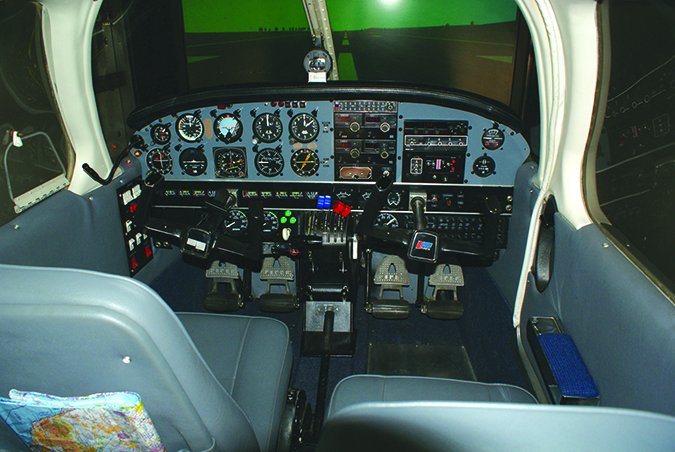
In the age of satellite navigation, electronic instrumentation and multi-function displays with moving maps, each aircraft is different. Just because you can fly an Avidyne Integra-equipped Cirrus doesnt mean you can jump into a Perspective (a.k.a. Garmin G1000) Cirrus. Or, for that matter, even an old steam-gauge Piper. Now we need proficiency not just on an instrument scan and IFR procedures, but on the installed devices as well.

Read More »

CFIT on Departure

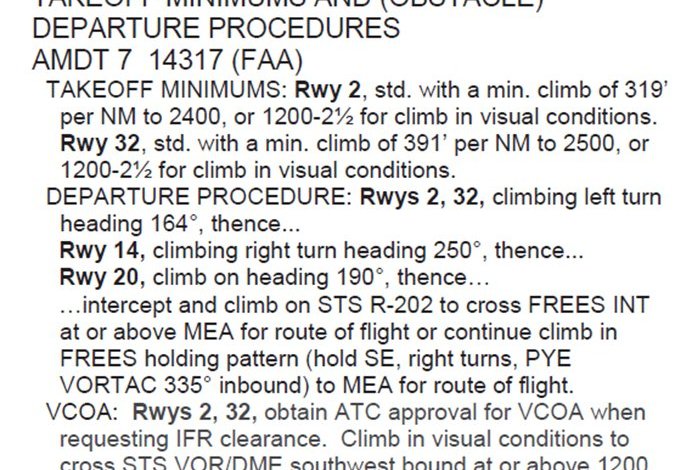
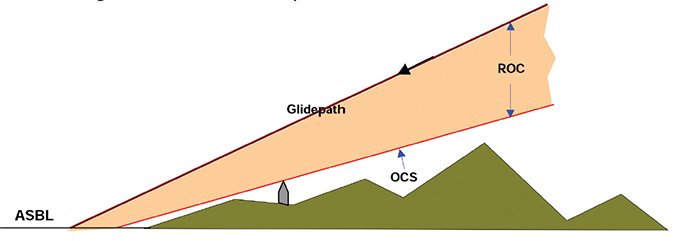
Pilot responsibilities differ from a controllers. The regs state, the pilot in command of an aircraft is directly responsible for, and is the final authority as to, the operation of that aircraft. This authority and responsibility is granted with the intention that its used to ensure safety-a pilots primary obligation. Yet, pilots keep having controlled flight into terrain (CFIT) accidents, often with fatalities. Its the second leading cause of commercial aviation fatalities worldwide. NTSB Board Member Robert Sumwalt described CFIT as the problem that never went away. CFIT frequently occurs at night or in IMC.

Read More »

Missed Approaches

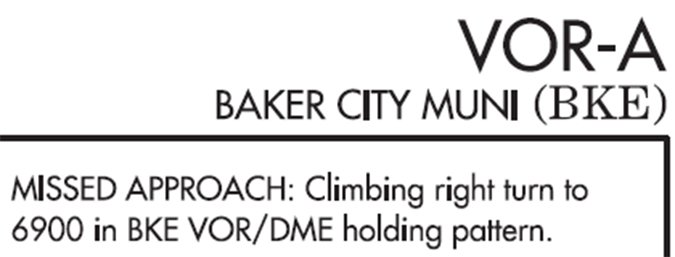
Climbing to hold over an airport to wait for better weather or traffic is nearly always referenced against a VOR that is located on or very close to the airport, so you really cant get lost. Plus, theres at least one runway right below in case of any issues that might develop. Whats more, obstacle clearance is straightforward-poles, towers and trees are only so tall and you dont have to worry about encountering significant terrain rising up from the airport itself.

Read More »

Reader Feedback: July 2016

In aircraft terms it is somewhat analogous to the F mechanism on most aircraft. The Flap is generally used on descent, provides drag to reduce speed and per Bernoulli and/or Newton or some other dead scientist, converts energy into additional lift. The B on the Prius (and other hybrids) shifter is generally used on long descents to produce additional drag via the engine/generator, which in turn converts energy into additional electrical charge to store in the battery.

Read More »

The Wind at your Back

Final instrument approach segments can sometimes require a descent in a tailwind, knowing youll circle round the other way to land (or perhaps not). In stable weather, these changes are gradual and the wind speeds dont cause much concern, but anything more than that and things can get dicey. Then, of course, there are emergencies that could force you to choose between the unappealing options of landing downwind or landing off-airport.

Read More »

Decision Altitude VS. Minimum Descent Altitude

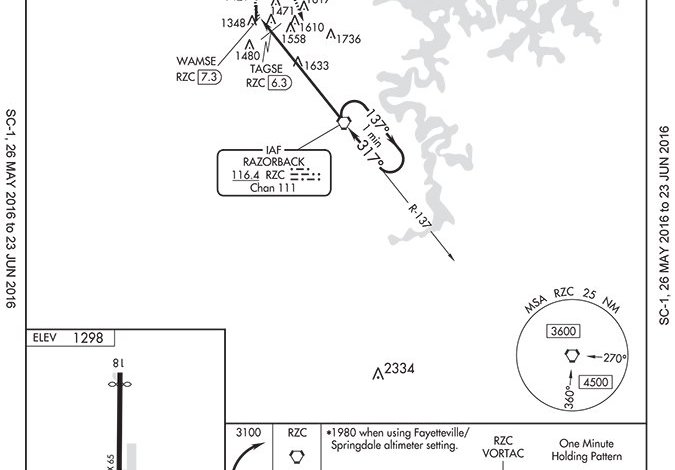
Its easy to munge DA and MDA into the single concept of minimums. Yet, decision altitude (DA) and minimum descent altitude (MDA) are very different concepts. As the names suggest, DA is a decision point while MDA is the lowest altitude allowed without visuals.

Read More »

Wake Turbulence: Silent But Deadly

A low morning fog crept onto the airport as I cleared a CRJ-900 regional jet for takeoff. The RJ lifted, passing just above the vaporous wall, and I switched him to Departure. I waited, watching for something I dealt with every day as an air traffic controller, but had never witnessed.

Read More »

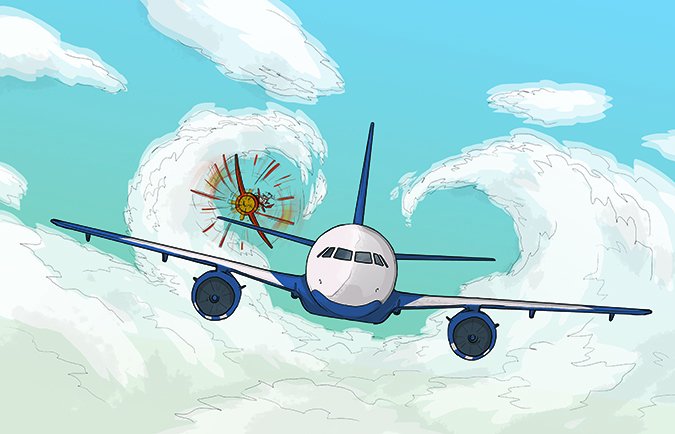
Getting Blasted

Wingtip vortices aren’t the only type of disturbed air concerning pilots and controllers. According to the 7110.65’s Pilot/Controller Glossary, wake turbulence includes “thrust stream turbulence, jet blast, jet wash, propeller wash, and rotor wash both on the ground and in the air.” If an airplane’s got an engine, that engine’s going to move some air, […]

Read More »
Pilot in aircraft
Sign-up for newsletters & special offers!

Get the latest stories & special offers delivered directly to your inbox.

SUBSCRIBE