Register

Technique

Briefing: July 2017

The FAAs BasicMed rule took effect on May 1, creating a new option for pilots who want to fly without an FAA medical certificate. Under the BasicMed rule, pilots can fly under certain circumstances without a medical certificate, but they must pass an online course about aviation medical issues, complete a medical exam and checklist, and meet certain other criteria. The FAAs Advisory Circular (AC 68-1) on Alternative Medical Qualifications describes in detail how pilots can comply with the new policy.
Read More »

Readback: July 2017

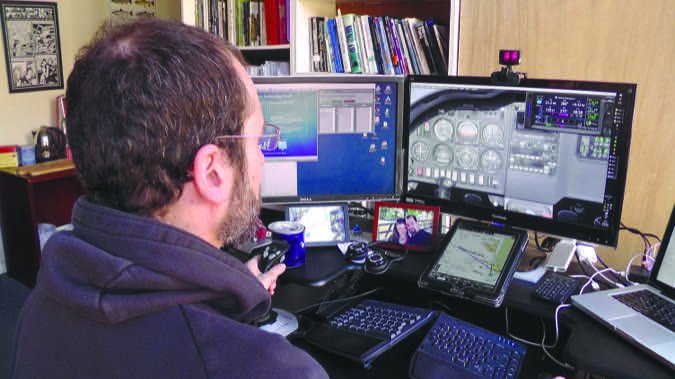
I just got around to trying Jeff Van Wests IFR Sim Challenge from the Feb. 2017 issue. Its great! Many of us use desktop simulators like Prepar3d to practice instrument procedures. This makes it really challenging in a useful way. Please keep up this feature. Im sure it will only get better as you work on it.

Read More »

A Date With AIRAC

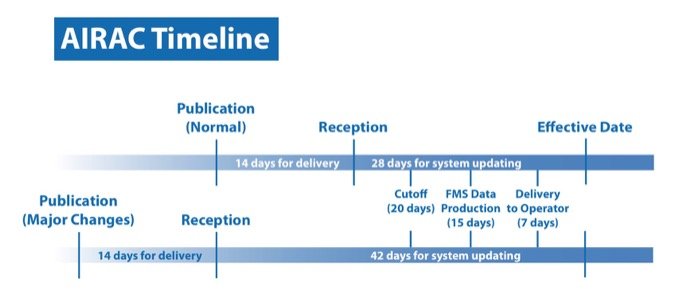
Maybe were too busy focusing on the forest and the trees that the dirt making up the foundation of the arbors is ignored. Or perhaps its the elephant in the room no one discusses. Instructors dont teach it because they dont understand the opaque system themselves-cant teach something you dont know. Whatever the cause, many pilots have a poor understanding of how aeronautical information travels through the system and how charts are updated.

Read More »

IPC and ATC: We All Goof

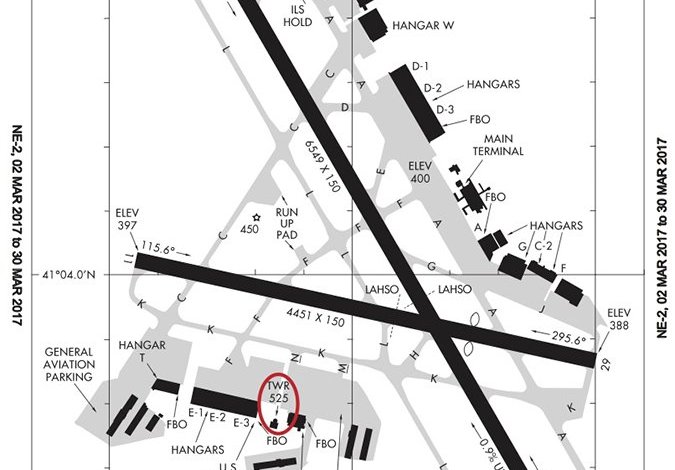
After a few days of unusually nasty weather, the day of my postponed IPC dawned bright and clear. There wasnt even much wind. It was the perfect day to fly, and as it turned out, it seemed like just about every other pilot around thought the same thing. There was traffic everywhere and everyone wanted something different. I was caught in a perfect storm.

Read More »

Across the Pond

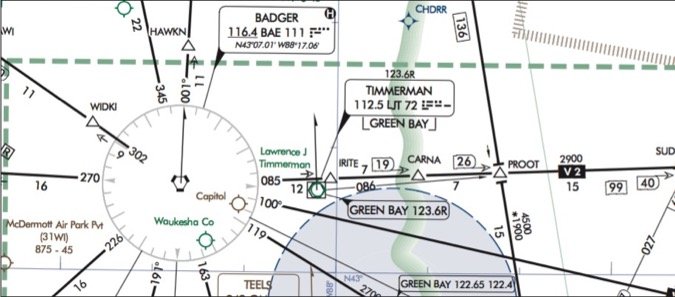
On occasion I have a flight across the pond. No, its not an ocean crossing, although it sometimes feels like it. These flights cross Lake Michigan, and require a bit more planning than flights over land. When you fly around the Great Lakes, its taken for granted that if youre in a single-engine piston aircraft, you have to carefully examine the risks and mitigations. Dont want to cross the lake at all? Fly around it and spend that extra time to stay over land. Not good weather for a crossing? Same deal.

Read More »

Laying Down the Line

Did you know that even piston airplanes can occasionally leave a contrail? Sure, its unusual, but it can happen. Many of us often wonder why some airplanes leave contrails that can last seemingly forever, while others leave a contrail that doesnt last but a few seconds. Plus, of course, sometimes theres no contrail at all. Contrails are an interesting phenomenon. So, lets have some fun examining the science behind contrails. Along the way we can use that as a basis to learn a bit more about how the atmosphere behaves.

Read More »

On The Air: July 2017

Two Texas Highway Patrol Officers were conducting speeding enforcement on Highway 77, just south of Kingsville, TX. One of the officers was using a hand-held radar to check speeding vehicles approaching the town. The officers were suddenly surprised when the radar gun began reading 300 miles per hour and climbing. The radar gun would not reset and then it suddenly turned off.

Read More »

On The Air: June 2017

The other day the Washington, DC area was getting hammered with a series of strong, fast-moving thunderstorms. Reagan National (DCA) had just shut down when I heard the following on the ground frequency at Dulles:

Read More »

Echoes Of Errors Past

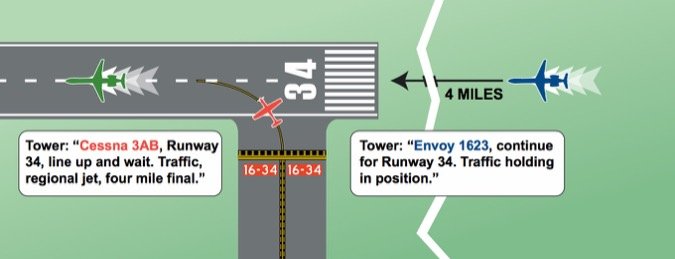
Youve probably heard the morbid axiom: FAA regulations are written in blood. Many of the rules fattening the books governing pilots and air traffic controllers were brought about by unfortunate incidents. Line up and wait (LUAW) is a significant example. Its an inherently risky maneuver: a controller places an airplane on a runway but doesnt let them take off due to other traffic using the runway or on final to that same runway.

Read More »

Not Enough Time

Its taken for granted that when you fly a light aircraft, you take care of everything from preflight planning to all the in-flight tasks and securing the aircraft afterwards. All decisions are usually left to one person. This is such a common routine for many that the risks of whats known as Single-Pilot Resource Management are often overlooked, especially due to the external pressures that are often present for any flight. In this accident report, the combination of a sole pilots pressure to get home and poor weather conditions had tragic results.

Read More »
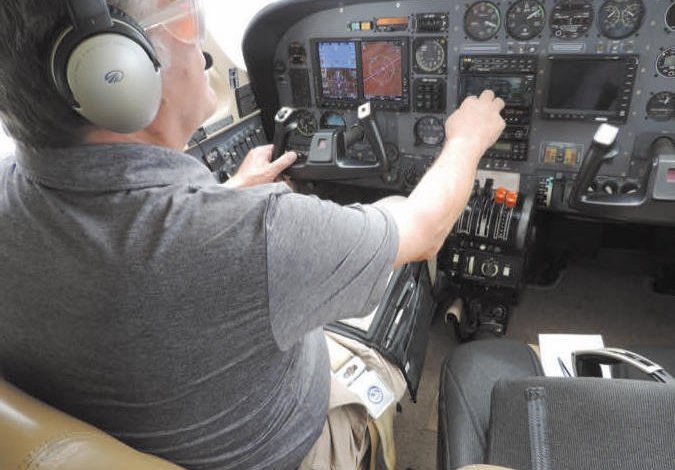
Pilot in aircraft
Sign-up for newsletters & special offers!

Get the latest stories & special offers delivered directly to your inbox.

SUBSCRIBE