IFR Magazine

On The Air: May 2015

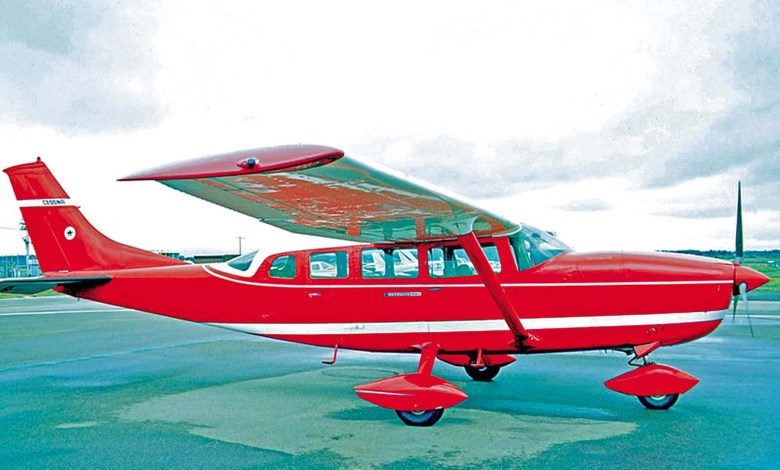
My wife and I flew in our Cessna Cardinal from our home base at Dutchess County Airport to Wallkill, NY for dinner. After dinner, we took off VFR without talking to Departure, since New York is always so busy. We did a practice ILS to Runway 3 at Montgomery/Orange County, an airport not far south, and then started the few miles back home, skirting around the Class D at Stewart International.

Read More »

Readback: May 2015

Rick Durdens December 2014 complex article about tailplane icing was well researched and well written. It also proved prophetic.At Cincinnati Municipal while my L-39 was being fueled, Bill Rieke, an icing researcher, came over to chat. He said that he thought the L-39 would be particularly susceptible to tailplane icing and stall because of the smallness of tailplane, the thinness of the airfoil and the need for ventral VGs.

Read More »

The Drones are Coming Here

A tiny aircraft, too small to carry a person, flashes past your left wing. You never saw it; neither did ATC. You just had a near miss with a drone.There are large, heavy commercial and military drones capable of flying in the flight levels. Then, there are little drones that range from toys up to Amazons proposed single-package delivery device. While similar, each presents different challenges.

Read More »

The Contact Approach

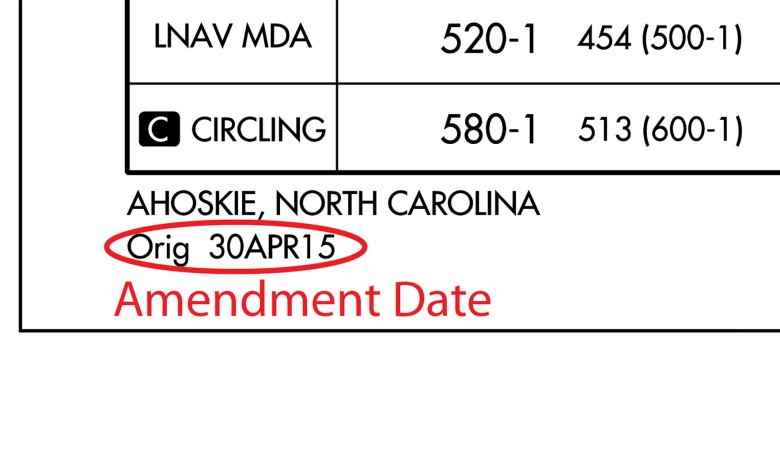
There are three ways to arrive at an airport when operating under IFR: a standard instrument approach procedure (IAP), a visual approach and a contact approach. A great way to bring hangar flying to a screeching halt is to ask about a contact approach. A lot of IFR pilots know that it is some sort of visually-flown maneuver, but when asked how it differs from a visual approach, blank stares often ensue. Lets fix that.

Read More »

Not So Fast

Its a signature moment in the classic 80s beach-volleyball documentary Top Gun. Two Naval aviators swagger past a parked line of Grumman F-14 Tomcats. I feel the need, Tom Cruises Maverick character declares to his buddy Goose, who joins in the chorus. The need… for speed! Mav and Goose were bragging about the sound-barrier-busting velocity only a few pilots get to experience. Still, whether your winged rides top speed is Mach two or 100 knots, there is one universal truth: if youre firing up an airplane, youve probably got somewhere to go or a mission to accomplish.

Read More »

Do You Know Ice?

Februarys Cowboy and Cowards sparked some passionate responses about known icing and my assertion that known icing is observed icing. To better understand known icing, we need to look at the concept from definitional, legal, and safety perspectives.

Read More »

More Than a Currency Flight

As a CFII, I do plenty of recurrency training for instrument flyers as a safety pilot and coach and as an instructor conducting an IPC. I like to use the IPC content as a starting point. Heres a typical example:

Read More »

Embrace The IPC

Many of us feel that an IPC is as much fun as a visit to the dentist. We go through the checkup and if things are OK, we go on with our lives til the next appointment. Worse, for some the IPC is akin to a root canal-something to dread because theyve neglected the preventive care. Its the penalty for losing currency past the six-month window specified in 14 CFR 61.57.In any case, IPCs dont pique much excitement. They are an occasional formality for those who fly the system often, or a major chore for those who dont. It doesnt have to be that way. Rather than something to avoid, an IPC can improve your skills while you brush up on procedures you dont use often. You can even go further and have a bit of fun.Yeah, fun. In daily IFR flight, predictable and comfortable are good. The best response to How was your flight? is Uneventfully successful. We dont want unusual or difficult. Actual equipment breakdowns or emergencies are thankfully rare, but you want to be on your game when they happen. Unfortunately, all that routine doesnt keep you on your game for the abnormal situations.Use the IPC to stretch your skills. Figure out what youve neglected and refresh those basics. Then tackle new things. This keeps you proficient while you continue to expand your IFR repertoir. As a bonus, youll never worry about staying current.

Read More »

To Log or Not to Log

Youre in the muck on your hometown localizer approach at 3000 feet. You intercept final, center the needle and catch a glimpse of the highway below. A mile from the FAF and seven miles from the runway, still at 3000 feet, you begin to make out the runway. With visibility only three miles, you wait until crossing the FAF before descending to land. Can you log that?

Read More »
Pilot in aircraft
Sign-up for newsletters & special offers!

Get the latest stories & special offers delivered directly to your inbox.

SUBSCRIBE