IFR Magazine

Briefing: June 2010

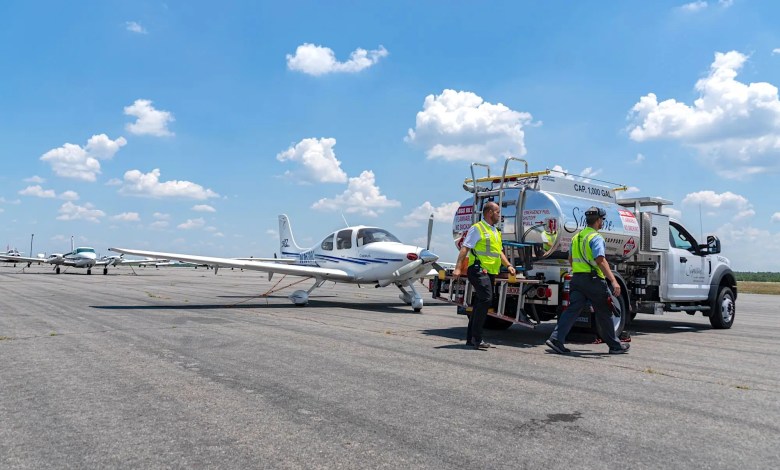
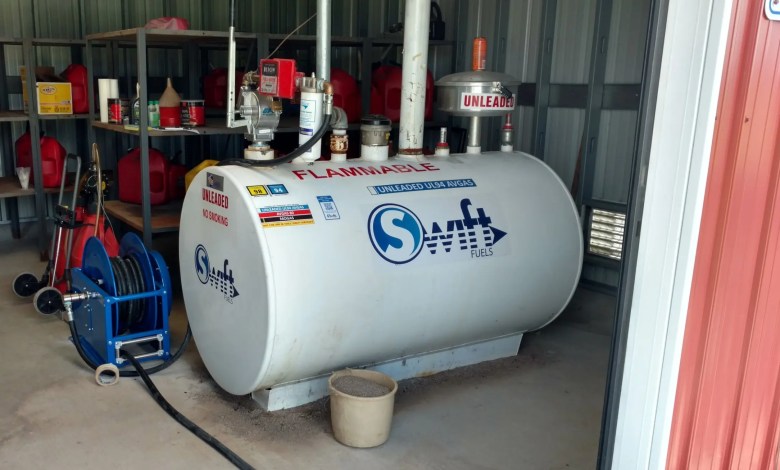
Efforts from companies like Swift Fuel and GAMI to find a replacement for 100LL may get some more serious attention now that the EPA has released its advance notice of proposed rulemaking regarding the need to eliminate lead from fuel. Converting in-use aircraft/engines to operate on unleaded aviation gasoline would be a significant logistical challenge, and in some cases a technical challenge as well, the EPA said. The EPA also acknowledged that a joint effort with the FAA will be critical and has not set a date for the rulemaking, but said it would like to see leaded fuel phased out as early as 2017.

Read More »

On The Air: June 2010

When flying from from Osceola, Wisc., to Mattoon, Ill., on our way to Florida, the following conversations took place with Peoria Approach.Peoria Approach: Cherokee One One Two Seven X-Ray, descend and maintain 6000 for traffic.Me: From 7000 to 6000, One One Two Seven X-Ray.Approach: Baron Four Four Six Two Seven, climb and maintain 8000 for traffic.Baron 44627: Climb and maintain 8000. Six Two Seven.Approach: Bonanza Seven Seven Seven Kilo Zulu, you have a Cherokee at 6000 12 oclock and a Baron at 8000 10 oclock. Baron: It sounds crowded here.Approach: I only have three aircraft this morning and all of you managed to converge at 7000. So I have to move two of you.

Read More »

Readback: June 2010

Regarding the ATC column Say More For Less in your March issue, I really enjoy reading articles like this. I take ATC very seriously and Im always interested to know exactly what they are expecting from me. I strive to be as professional as possible in the air, even though I fly just for fun. However, Im not perfect, and I can certainly be accused of wasting a lot of airtime over the years with something I cant seem to stop saying to each controller, Thanks.

Read More »

Things Were Forced to Do

My friends with high-performance engines will probably stop returning my phone calls for a few months after I say this, but its finally time for the EPA to push getting the lead out of avgas. And, no, I dont believe its time because our aviation lead is poisoning the brains of squirrels and small children who live under approach paths. Lead isnt healthy for anyone, but were probably too small a source to make that much difference.

Read More »

Too High on a Missed

Heres one of those questions that has a simple answer masking hidden subtleties: Youre on the approach to Orlando Executive with the family for a couple well-earned days in The Land of the Mouse. You loved the idea of flying in to Executive rather than putting the family in seats 27 A through D into nearby Orlando International.But now the reality of getting established on a back-course localizer in bumpy clouds has you behind the curve and working hard to meet the mandatory altitudes on the stepdowns. You barely made the restriction to cross MARYB at 1500 and now are at 1100 heading for BRICE, struggling with reverse sensing and losing. You decide its best to go missed now and start again. But, how to do it?

Read More »

Will 20 Degrees Right be Enough?

Picture yourself in the cockpit counting on your eyeballs to keep you clear of thunderstorms. Theres a buildup ahead and youve got to ask for a diversion. But how many degrees? You dont have a pretty cockpit display with the weather today, so youll be estimating.You can get a good estimate just using your binocular vision. Hold a raised finger at arms length and sight across that finger first with only one eye and then the other eye. Your finger displaces about 10 degrees. So if you put your raised finger between you and the storm with your right eye only and then look with only your left eye, the new position of your finger shows where a 10-degree turn to the right would take the airplane. In this way, you can measure 10-degree chucks of heading change against the view outside-and then confidently ask ATC for 30 right.

Read More »

Flying by Vertical Angles

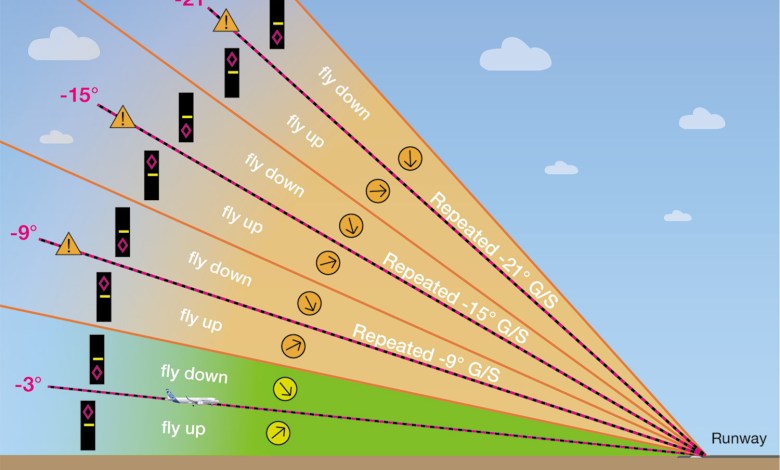
Aircraft performance parameters are typically expressed as measurements of speed (indicated and true), altitude and vertical speed. Often overlooked is angle as an expression of performance. Angles are a terrific tool for estimating glide and approach performance, avoiding clouds and storms and avoiding obstacles and terrain on takeoff. There are two related subjects: how to measure angles while in flight, and how measured angles can solve in-flight problems. Lets start with measurement.

Read More »

Declaring the Big E

If there was ever a 400-pound gorilla that dared pilots to ignore their checklists, procedures and situational awareness, its the emergency. Pilots often practice What if … but when it really happens its more like What the hell? If there was ever a time to lean on ATC, this is it. There are no limits to the types of emergency scenarios and, therefore, no single response from ATC. The ATC rulebook (FAA Order 7110.65) recognizes this in paragraph 10-1-1 (d): Because of the infinite variety of possible emergency situations, specific procedures cannot be prescribed. However, when you believe an emergency exists or is imminent, select and pursue a course of action that appears to be most appropriate under the circumstances. We controllers have extensive information, resources and people at our disposal, but were out of the picture unless you tell us whats going on and ask for what you need.

Read More »

Big City Arrivals

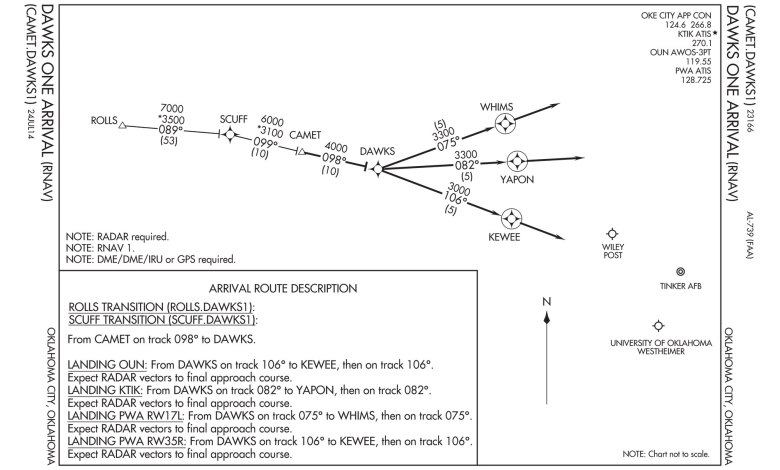
Arriving or departing IFR around big-city airports can be an intimidating, high-workload experience. Surrounded by pilots who know the ropes, its easy to stand out if you make greenhorn mistakes. Getting a tongue-lashing from ATC can be avoided with a little research and planning.

Read More »

Using Proficiency Sims

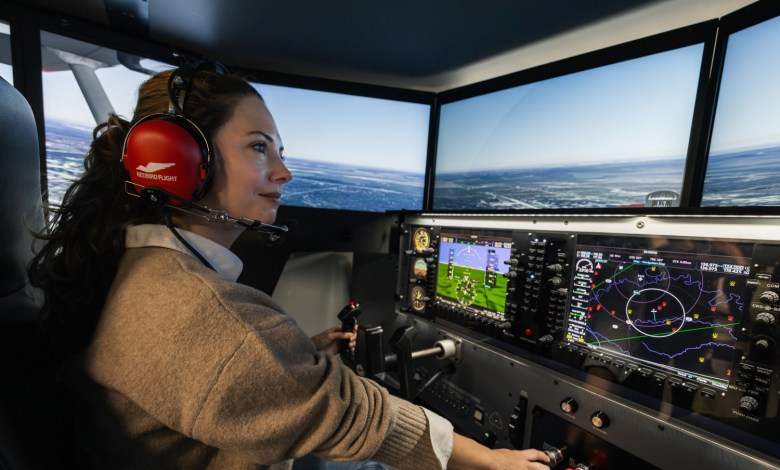
Where all aviation has its classic ABC of aviate – navigate – communicate, instrument flying has its own twist. We could call these maneuvers – procedures – communications. They are the building blocks of instrument flying and they atrophy just like any other flying skill. While you cant practice them completely at your desktop, you can keep at least the first two basically in tune. That is, so long as you treat this non-loggable desktop time as serious IFR practice.

Read More »
Pilot in aircraft
Sign-up for newsletters & special offers!

Get the latest stories & special offers delivered directly to your inbox.

SUBSCRIBE