IFR Magazine

On The Air: June 2015

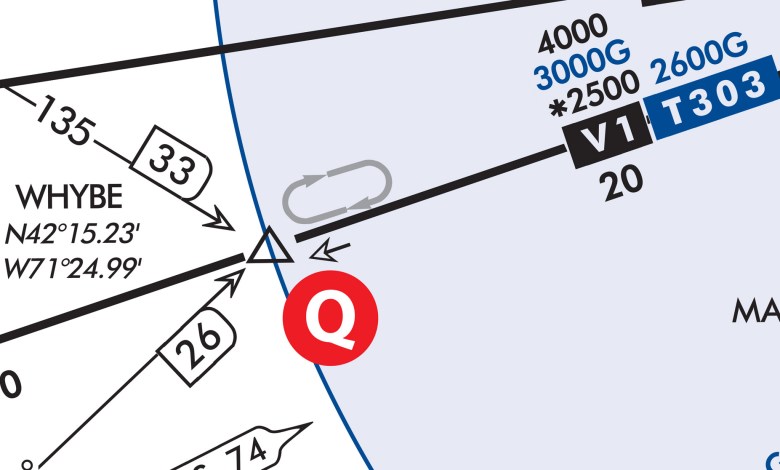
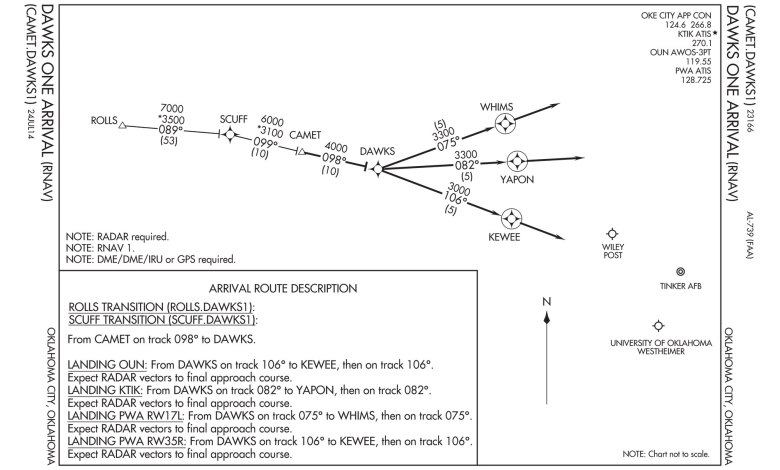
The HEVVN intersection lies roughly 10 miles off the coast of the Florida panhandle and connects the major flyways of the Florida Panhandle and the north-south air corridors of the Florida peninsula. Theoretically many aircraft can simultaneously be at HEVVN as long as they are separated by at least 500 feet in altitude.

Read More »

Ford Failed Us

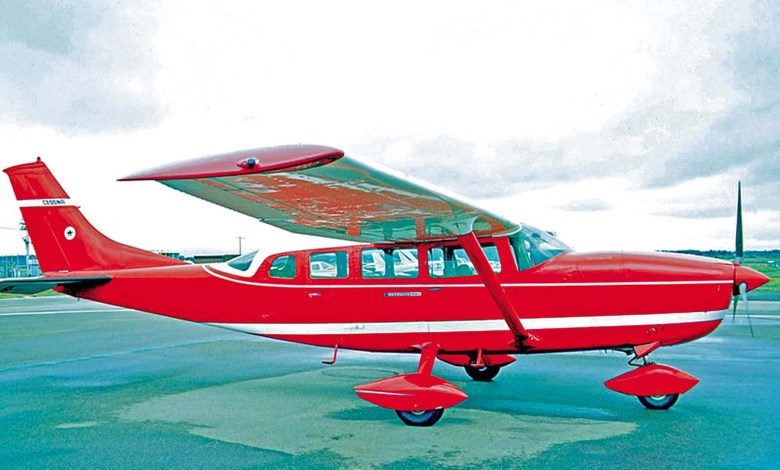
One of our contributors found an aircraft manual from 1929. Its labeled Instruction Manual for Ford Trimotor. It contains elements of a POH/AFM, a flight and operations manual and even a maintenance manual. Thats a lot of information to pack into 112 pages.Perusing it, I began to think about the, um, good old days. No, I dont claim that aircraft or pilots were somehow better back then. Instead, though, I reflected on what it meant that the Ford Motor Company undertook an aviation division and failed.

Read More »

No-Gyro Vectors

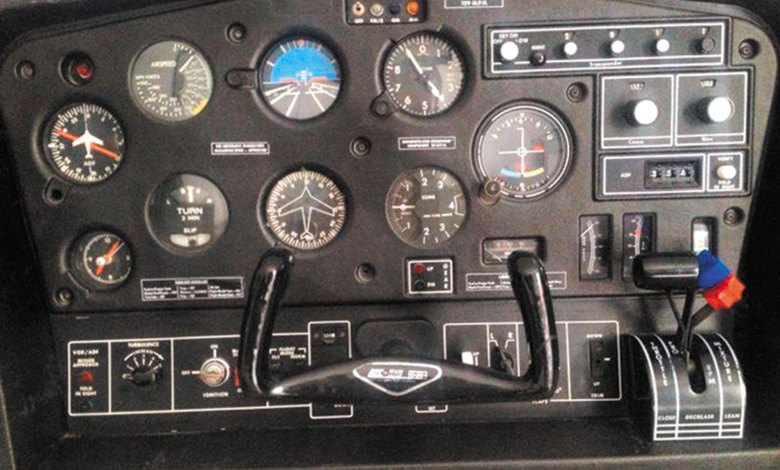
Uh oh! Halfway through an IFR cross country flight, it appears your instrument panel has suffered a couple deaths in the family: the attitude indicator, and the heading indicator. A glance at the suction gauge shows none. To top it off, you left your handheld GPS back in the car. Youre in VMC right now, but theres instrument weather down the road to your destination. A look at your charts shows a decent-sized airport about twenty miles off your right wing that probably has an A&P mechanic. Better to put it down now than get into some clouds without knowing which ways up. Unfortunately, a scattered cloud deck below is making it hard to pick out any landmarks. Not a good day.

Read More »

Keeping Time

The trusty digital timer is a fixture in IFR training. You learned to time your turns, your flight segments, holds and approaches. You learned to keep an eye on your arrival times, lest you run late and need to inform ATC. Lately, though, the practice of timing approaches and related operations has largely gone by the wayside with the use of GPS navigators. With your flight plan laid out and the ETA for each upcoming fix displayed nicely on your screen, few pilots bother to separately use a timer. And, lets face it: Timer use for navigation is solely a backup if youve got GPS and a moving map.

Read More »

Decisions Made Easy

When I made my living flying airliners, someone from the non-flying world would occasionally ask me, Doesnt it bother you to have to make all of those decisions?My answer was always the same. I never have to make any decisions. All of the decisions have already been made and are written down in a book. Well, that wasnt completely true. I got to decide what I wanted to eat (once I got to be a Captain) and when I wanted to eat.

Read More »

Looks Can Be Deceiving

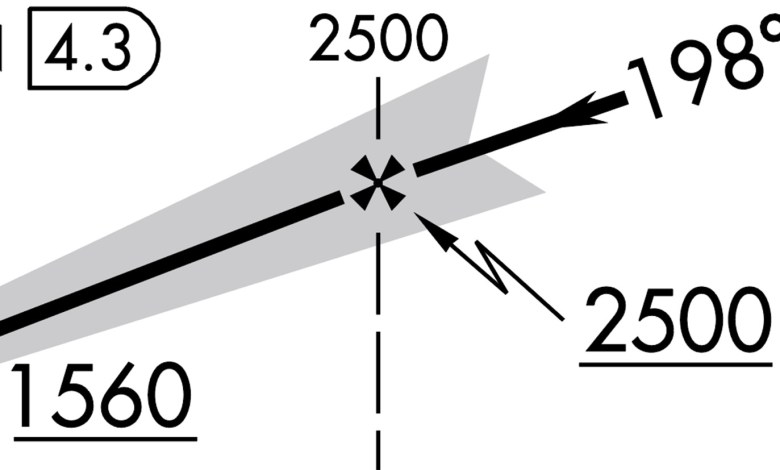
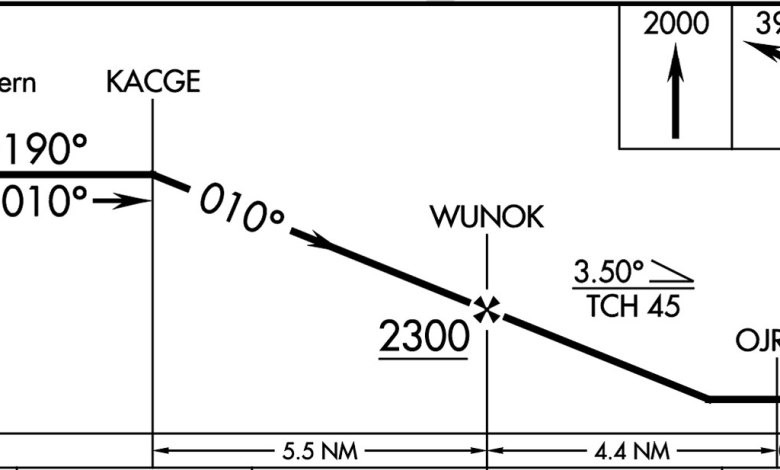
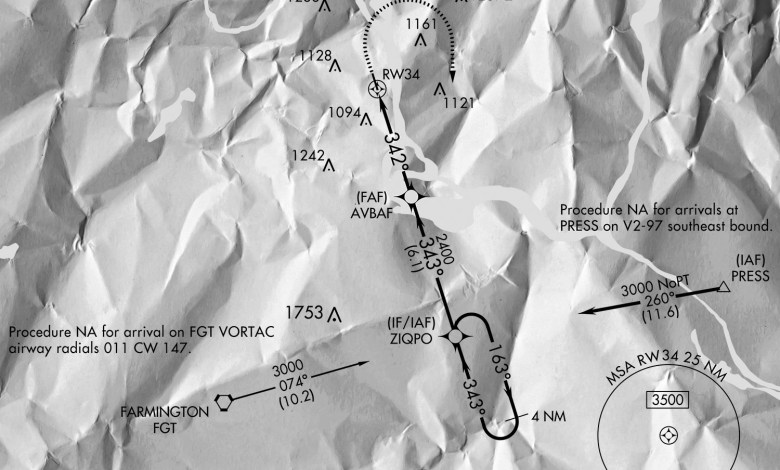
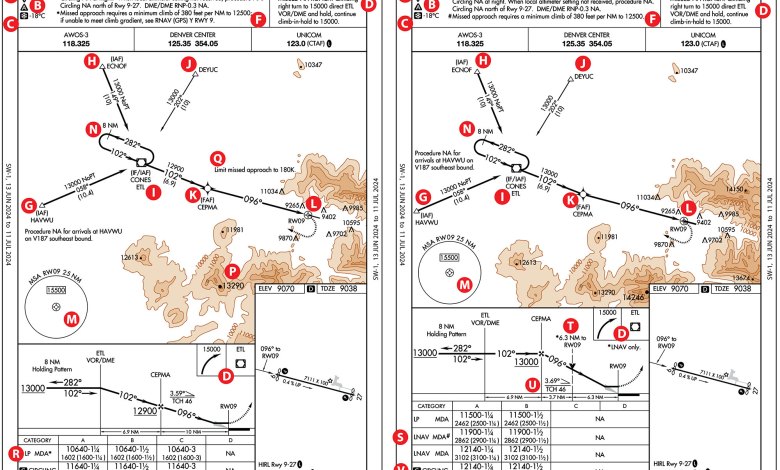
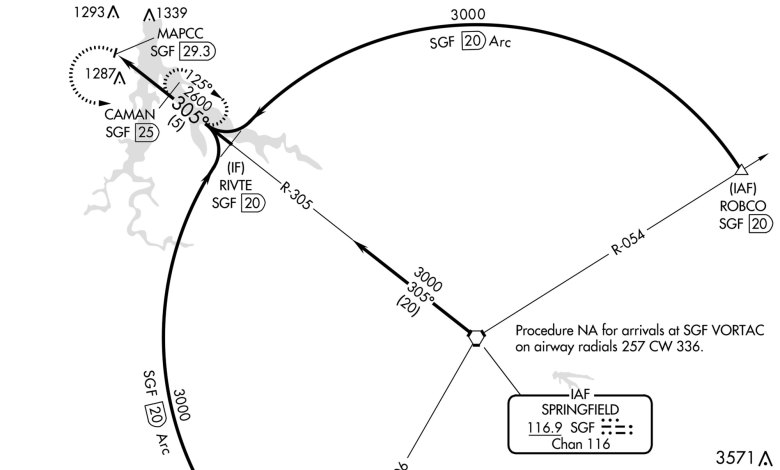
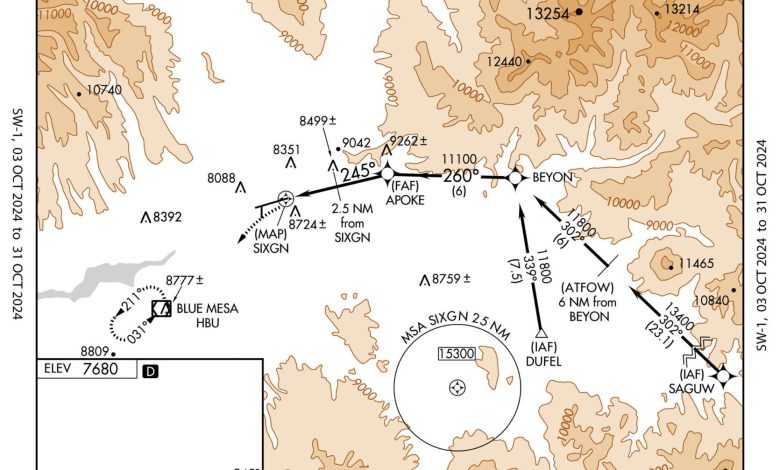
One of the best things about an ILS is that you know what youre going to get. The boundaries of TERPS criteria mean they all work pretty much the same: You fly a published altitude to intercept a glideslope, ease down through the amorphous ether toward terra firma and either land or miss.Except for when that is so, so not the case. Take a look at the ILS Runway 16R into Reno/Tahoe (KRNO). On first glance, this is a simple ILS with the primary complication being some obvious terrain in the area. Terrain like that always warrants a close reading of the chart and its notes, usually to find the non-standard climb required if you must fly the missed. Thats not an issue in this case, but there are four other oddities to contend with-one of which is an outright error on the chart.

Read More »

This Way or That-a-Way

Air traffic controllers have quite a few options for saying one simple thing: Turn your airplane. Each vectoring method, like a hammer or a pair of pliers, is a specialized tool designed to fit a particular situation. As you fly, you may hear a variety of vectoring radio phraseology on a daily basis. Like many real-world tools, they may appear simple and familiar on the surface. However, using them requires proper technique and foresight on the part of both controllers and pilots.

Read More »

Whats up With the Clock?

Most legacy aircraft came out of the factory with little round clocks in the panel, although these days theyre largely ignored in favor of the more convenient digital timers. Recall that a way of keeping time is listed among the required equipment for IFR operations-see 14 CFR 91.205(d). Technically, the clock displaying hours, minutes, and seconds with a sweep-second pointer or digital presentation is supposed to be certified, installed equipment, meaning it has to be the original clock or an approved replacement, and it has to be operational for legal IFR flight.

Read More »

Briefing: May 2015

The first civilian tiltrotor aircraft is now in development and could reach the market by 2017, officials from AgustaWestland announced at Helicopter Association Internationals Heli-Expo held in Orlando, Florida, in March. The nine-passenger aircraft will be capable of vertical take-offs and landings, and the engines will then swivel for level flight at speeds up to 250 knots. Airbus Helicopters presented its new clean-sheet medium-class rotorcraft design, the H160, which features the biggest-ever shrouded tail rotor and an all-new biplane stabilizer design that the company says will enhance stability. Bell Helicopter also introduced a new model, the 407GXP, an upgrade of its popular 407GX with new Rolls-Royce engines.

Read More »
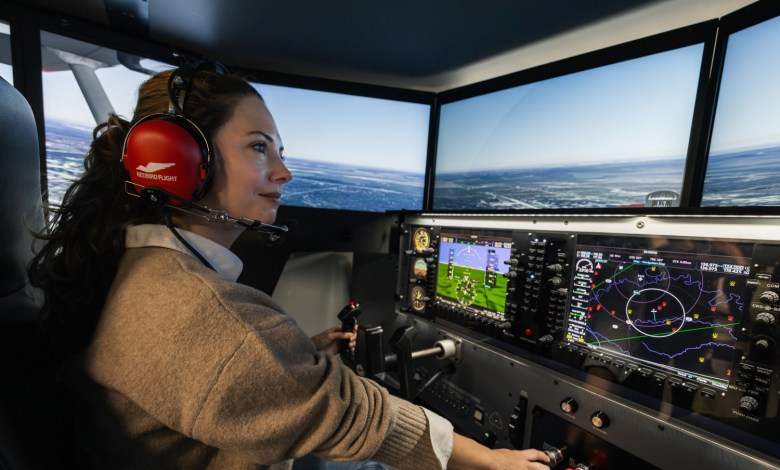
Pilot in aircraft
Sign-up for newsletters & special offers!

Get the latest stories & special offers delivered directly to your inbox.

SUBSCRIBE