IFR Magazine

Briefing: July 2015

More than 4400 comments were filed in response to the FAAs proposed rule for allowing small unmanned aircraft into the national airspace system, and the general aviation advocacy groups had their say. EAA, AOPA, and the General Aviation Manufacturers Association all said the FAA should lower the ceiling for small UAS operations to 400 feet, instead of the proposed 500 feet, to provide a bigger buffer between UAS and manned aircraft. Other suggestions included requiring UAS to automatically terminate flight if communications are lost, and ensuring that the operators of manned aircraft arent required to add new equipment as a result of UAS integration. The FAA will now review the comments before publishing a final rule, which is expected to take up to 18 months.

Read More »

Want RNAV with that?

Back when Southwest Airlines was the upstart operating out of airports nearby major cities rather than in them, everyone in New England knew about Manchester Airport (KMHT). They even call it the Boston-Manchester Airport, even though it was an hours drive away in a different state. Now Southwest flies to Bostons Logan Airport, and KMHT is more a sleepy reliever field. However, its still an aviation trendsetter, and this trend is open to anyone looking for more efficiency.

Read More »

On The Air: July 2015

Many years ago I was riding in the jumpseat on a Southwest Boeing 737 from Las Vegas to Burbank. The crew was looking for a shortcut to get relief from our elaborate routing. The best routing was to the HEC (Hector) VORTAC. The crew called:

Read More »

Readback: July 2015

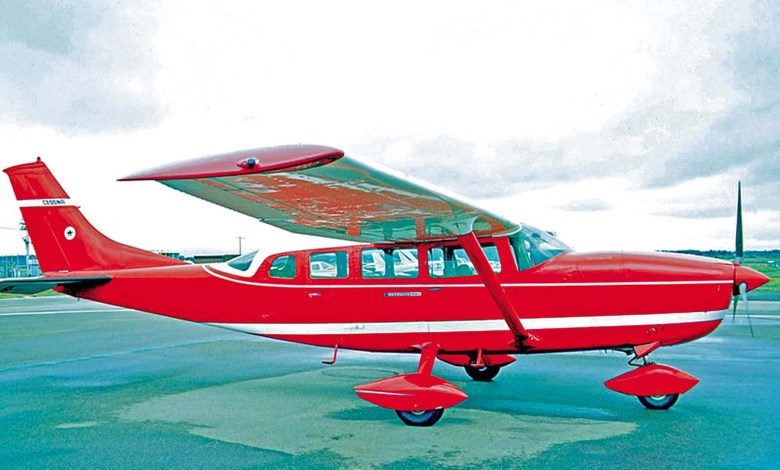
Last fall as I was departing Reno, NV (KRNO), the weather was 1500 overcast (6000 MSL), tops 10,000 MSL, surface temp +10 C and there was no precipitation. I was flying my pressurized, turbocharged, FIKI-certified Cessna 414. Id flight planned for FL 190. I hand flew the departure because that is recommended when potential icing conditions exist. In the climb I noticed light rime ice on the leading edges of the wings. I was watching carefully for decreasing performance (airspeed, rate of climb, etc.) and all seemed quite normal.

Read More »

Paper, I Knew Thee Well

My social security card, first pilots certificate and various other government-issued documents I got years ago were all typed by hand. Computers? Those were barely in the vernacular, much less on the desk. Everything we did was on paper.Computers promised to eliminate that paper. Before I became a professional pilot and later editor of this magazine, I spent 30 years in the computer industry. I did my part to fulfill that no-paper promise, but few others did. If computers were going to eliminate paper, why were we developing printers that could spit out reams of the stuff in seconds? A paperless society seemed an empty promise.

Read More »

Who Draws the Lines?

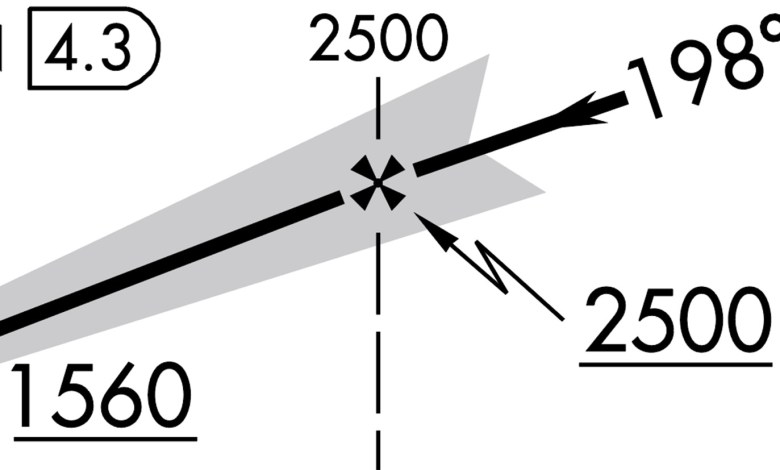
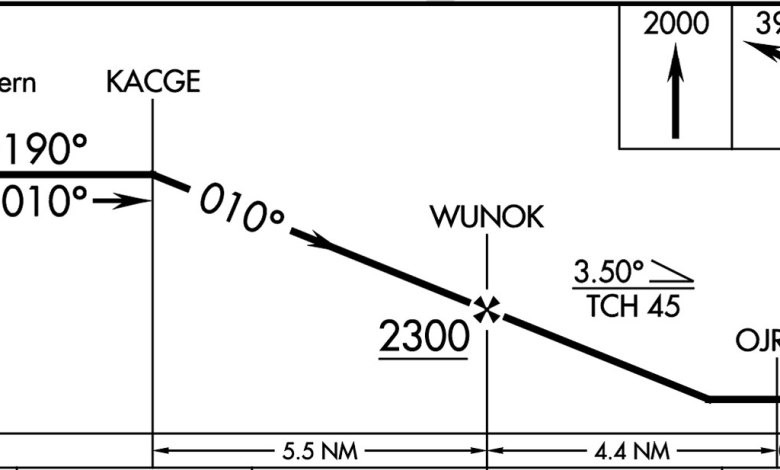
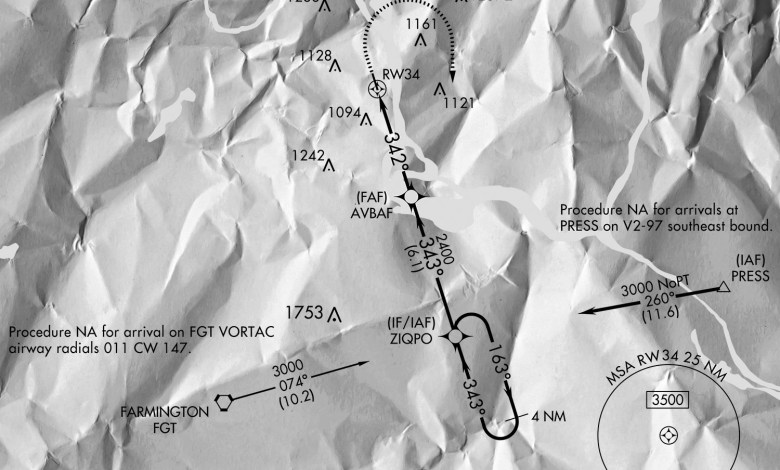
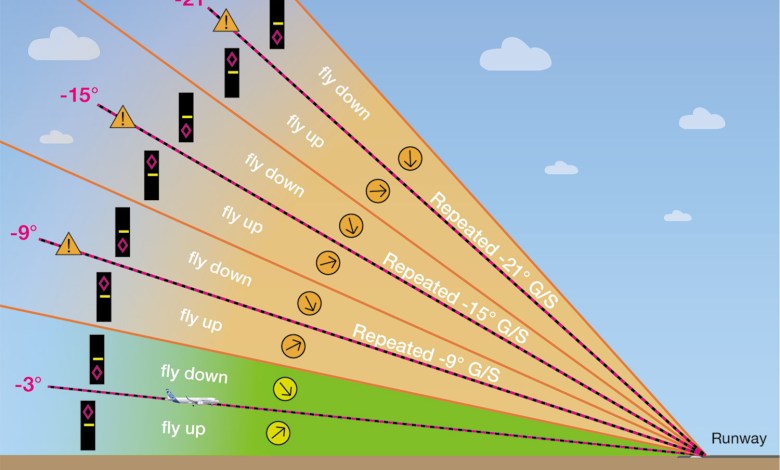
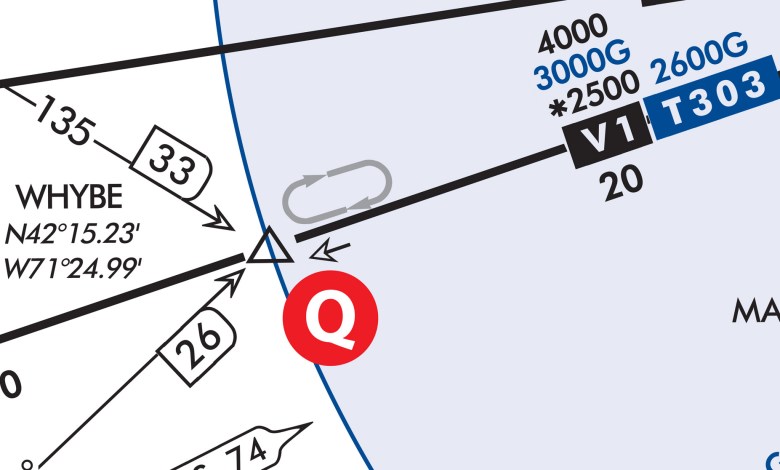
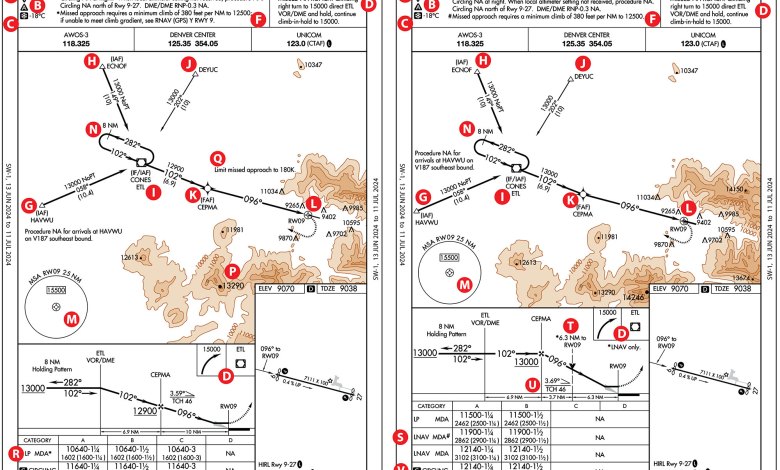
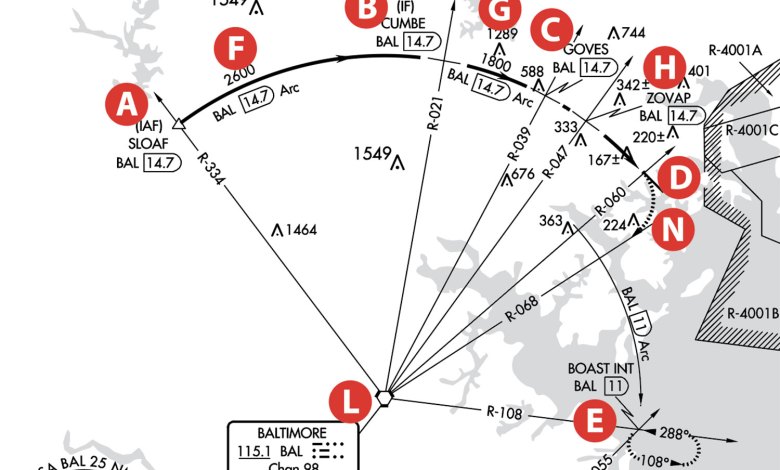
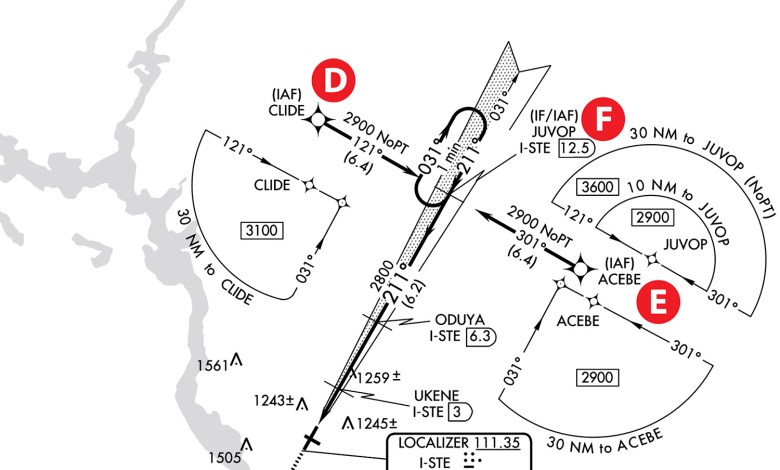
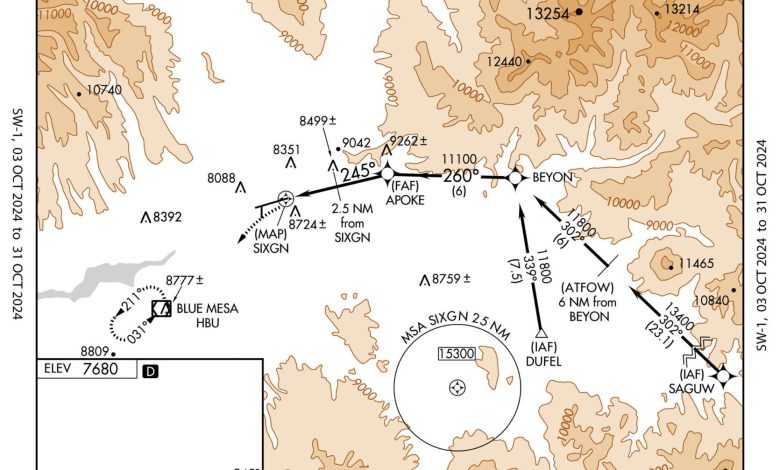
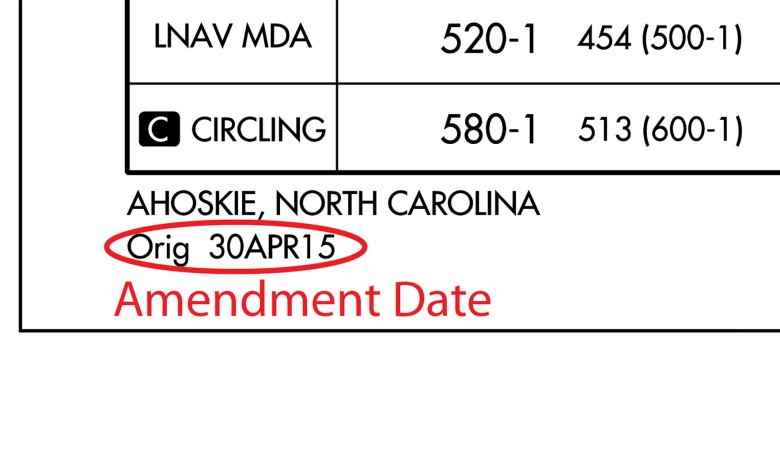
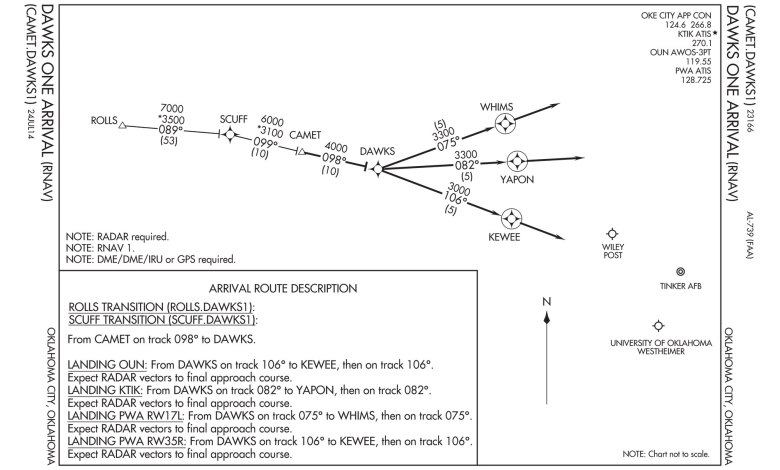
Somebody, somewhere, has to come up with the procedures in which we entrust our lives and that of our passengers when were penetrating the muck, following some ethereal radio signal hoping theres sufficient clearance from the myriad obstacles that can exist. An awesome responsibility, that. Who does it?

Read More »

Readback: June 2015

I read your editorial The Drones Are Here with interest. You asked the question When was the last time you flew below 400 feet away from an airport? My answer is: yesterday.As a seaplane pilot, I do this all the time over bodies of water. So do thousands of other seaplane and helicopter pilots. There is no way on earth that we would ever be able to see and avoid these tiny toy aircraft-at least not in time for the avoid part-and for sure, their untrained operators would not be likely to anticipate and avoid us. It is not a matter of if, but when someone will be killed by these dangerous drone operations. I guess our lives are less important than the interests of hundreds of thousands of drone hobbyists.

Read More »

Briefing: June 2015

Aero Friedrichshafen, the biggest general-aviation event in Europe, opened in April with the delivery of an EASA type certificate to Diamond Aircraft for its twin-engine DA62. CEO Christian Dries said FAA certification should follow by early next year. Other news was the first flight of a four-seat C4 prototype from Flight Design, just a few days before the show, and Pipistrels introduction of the Alpha Electro battery-powered trainer, ready for sale. At Sun n Fun, in Lakeland, Florida, Piper debuted three new M-class models–the M350 piston and M500 and M600 turboprops–and Mooney brought a mockup of its new all-composite M10T three-seat trainer.

Read More »
Pilot in aircraft
Sign-up for newsletters & special offers!

Get the latest stories & special offers delivered directly to your inbox.

SUBSCRIBE