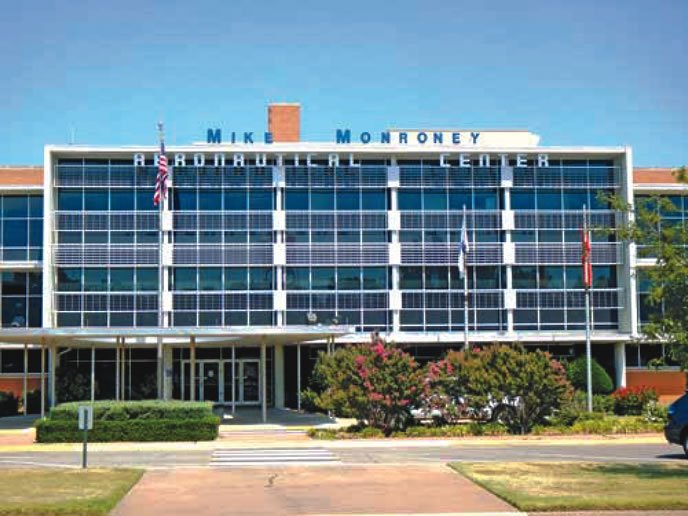
Somebody, somewhere, has to come up with the procedures in which we entrust our lives and that of our passengers when were penetrating the muck, following some ethereal radio signal hoping theres sufficient clearance from the myriad obstacles that can exist. An awesome responsibility, that. Who does it?
Instrument flight procedures are standardized by two primary systems: TERPS (Terminal Instrument Procedures) in the United States and PANSOPS (Procedures for Air Navigation Services Aircraft Operations) internationally for ICAO member nations.
Both TERPS and PANSOPS aim to ensure pilot safety by providing rigorous guidelines for obstacle clearance, aircraft performance, and flight paths, presented on approach charts.
While similar in objective, TERPS and PANSOPS have significant differences in calculating parameters like climb/descent gradients, holding pattern rules, and instrument approach procedure structures.
Pilots flying outside North America, and even in some Caribbean regions, must be aware of these procedural differences and are advised to fly more conservatively or study local regulations.
Somebody, somewhere, has to come up with the procedures in which we entrust our lives and that of our passengers when we’re penetrating the muck, following some ethereal radio signal hoping there’s sufficient clearance from the myriad obstacles that can exist. An awesome responsibility, that. Who does it?
CREATE A FREE ACCOUNT
Sign up to keep reading
Create a free account to continue. Already a member? Sign in below.