














DARPA Seeks Designs for Drones That Carry 4 Times Their Weight

Lift Challenge offers $6.5 million in prizes to teams that can achieve a payload-to-weight ratio greater than 1:1.

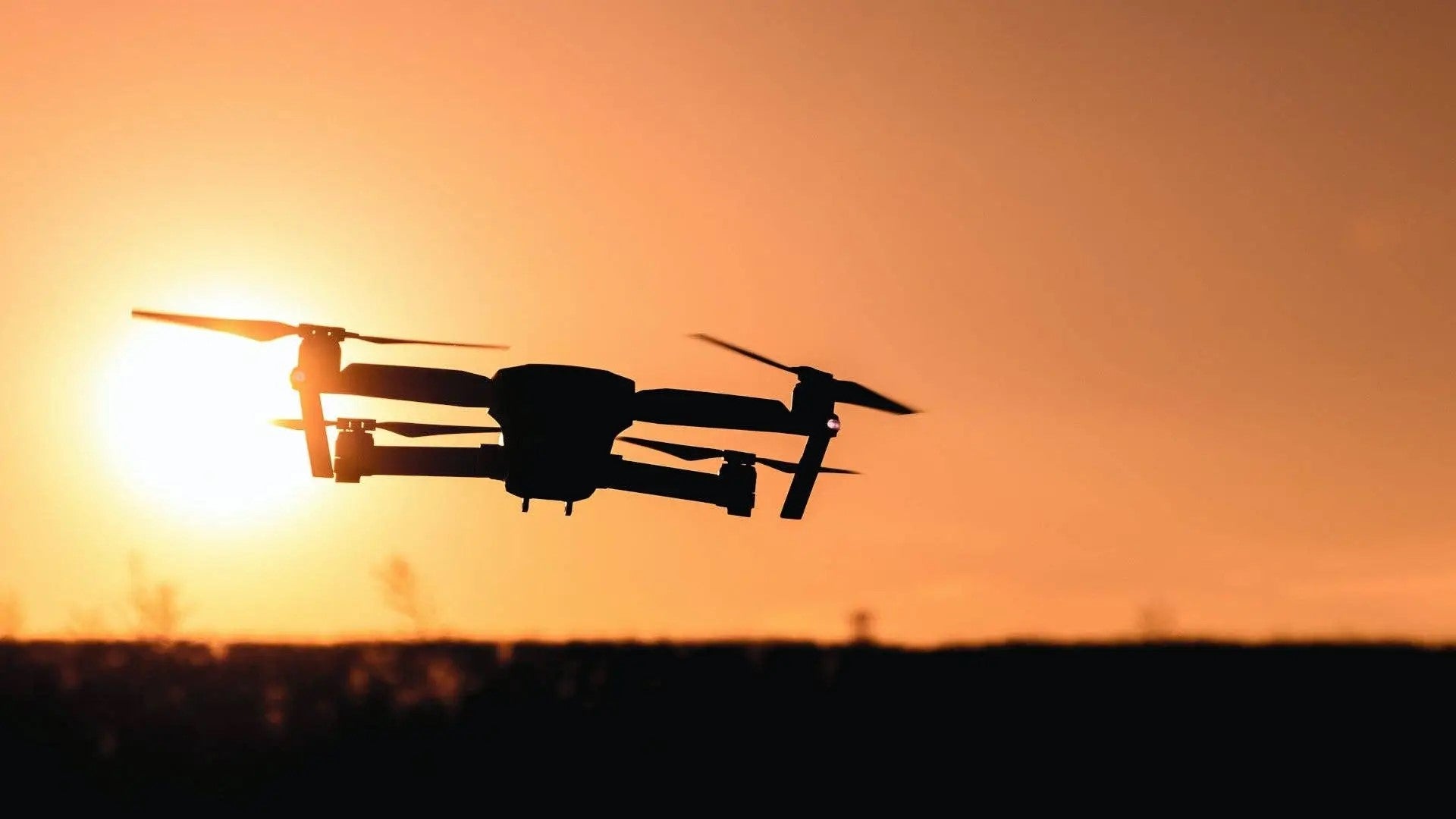
drone in flight
DARPA researchers believe a drone with a payload-to-weight ratio of 4:1 is ‘plausible’ due to recent advancements. [Courtesy: JeShoots/Pexels]
Gemini Sparkle

Key Takeaways:

  • DARPA's "Lift Challenge" seeks to develop small uncrewed aircraft systems (UAS) capable of carrying up to four times their own weight, a significant leap from the current typical 1:1 payload-to-weight ratio.
  • Driven by advancements in drone aerodynamics, materials, and propulsion, these highly capable drones are envisioned for military and commercial uses, including cargo delivery, inspection, and disaster response, potentially lowering operational costs.
  • Open to U.S. innovators, the challenge offers $6.5 million in prize money, requiring drones under 55 pounds to transport at least 110 pounds over a 5 nm course, with performance trials slated for summer 2026.
See a mistake? Contact us.

The Defense Advanced Research Projects Agency (DARPA), the main research and development hub for the U.S. Department of Defense (DOD), believes that small uncrewed aircraft systems (UAS), or drones, could soon carry up to four times their own weight.

In October, DARPA quietly published a special notice describing the Lift Challenge—an effort to devise drones with a payload-to-weight ratio as high as 4:1 that will culminate in performance trials next summer. The agency described payload-to-weight ratio as the primary limitation of multirotor UAS, which typically max out at about 1:1. But it believes a 4:1 ratio is “plausible” due to recent advancements in drone aerodynamics, materials, and propulsion.


Phillip Smith, DARPA program manager for the Lift Challenge, told FLYING that the effort is partially inspired by a previous effort from the fall of 2024, when the agency published a request seeking designs for UAS that could carry up to 70,000 pounds using commercial off-the-shelf engines.

“By December 2024, we had received many clean-sheet UAS designs proposing novel approaches to exceed the 1:1 payload-to-weight ratio threshold,” Smith said. “Additionally, we had conversations with several companies and research institutions to help craft the feasibility.”

Per DARPA, a drone capable of carrying several times its weight would have both military and commercial uses, including inspection, cargo delivery, and disaster response. Beyond creating new payload possibilities—such as bulkier loads—that capacity could drive down the cost of moving cargo by reducing the number of trips.

The challenge is open to the drone industry, university researchers, and independent innovators, so long as they are U.S. citizens or lawful permanent residents. Up for grabs is $6.5 million in prize money.

How It Works

Each Lift Challenge team will submit one design and designate a remote pilot in command (PIC) with Part 107 permissions, as well as a visual observer to monitor the drone during flight. Participation will be limited to the first 200 registered teams that meet eligibility criteria.

The aircraft, excluding payload but including the payload attachment and power source, must weigh under 55 pounds—the FAA’s weight cap for small UAS—and be able to carry at least 110 pounds of cargo over a 5 nm course, cruising at about 350 feet agl. Payloads will be Olympic barbell gym plates provided by DARPA.

The aircraft must also be heavier-than-air and cannot use lighter-than-air gases. If the design is autonomous, the team must appoint a safety PIC who can take control of the drone as needed.

The UAS are expected to fly in summer 2026, with judges gauging their payload-to-weight performance as well as absolute payload and speed. The flights will be conducted in daylight under visual line of sight (VLOS) rules and must comply with FAA requirements for Part 107, experimental airworthiness, and remote identification. DARPA will provide tracking devices that attach to the payloads and record airspeed, altitude, and location data, alerting pilots to deviations from the course.

Interested parties have until November 26 to share feedback on the contest’s draft rules. Registration will open on January 5 and close May 1. To compete for the $6.5 million in prize money, participants must have a commercial drone license.

Jack Daleo

Jack is a staff writer covering advanced air mobility, including everything from drones to unmanned aircraft systems to space travel—and a whole lot more. He spent close to two years reporting on drone delivery for FreightWaves, covering the biggest news and developments in the space and connecting with industry executives and experts. Jack is also a basketball aficionado, a frequent traveler and a lover of all things logistics.

Ready to Sell Your Aircraft?

List your airplane on AircraftForSale.com and reach qualified buyers.

List Your Aircraft
AircraftForSale Logo | FLYING Logo
Pilot in aircraft
Sign-up for newsletters & special offers!

Get the latest stories & special offers delivered directly to your inbox.

SUBSCRIBE
