














Register

Dangerous Assumptions

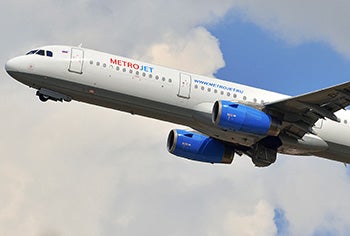
Airbus A321 EI-ETJ in 2014
(Sergey Korovkin 84 via Wikipedia Creative Commons)
Gemini Sparkle

Key Takeaways:

  • A Russian jetliner crash in Egypt has led to immediate and widespread speculation about its cause, including an airline executive's suggestion of a missile or bomb.
  • The article strongly criticizes this early speculation as reckless, unhelpful, and unsupported by evidence, especially given the very early stage of the official accident investigation.
  • It urges all parties—the airline, media, and public—to refrain from "premature conclusions" and to stick to facts until the official investigation is complete.
  • The author notes that initial conjectures about air disasters rarely align with the probable cause listed in the final accident report.
See a mistake? Contact us.

The Internet is rife with speculation as to what may have caused the crash of a Russian jetliner in Egypt on Saturday after an airline executive categorically ruled out pilot error or a mechanical problem.

The suggestion by the executive with airline Kogalymavia is that a missile or a perhaps a bomb brought down the Airbus A321, killing all 224 aboard. Conspiracy theorists have latched onto the statement and expanded it into a full-blown, made-for-TV narrative that terrorists targeted Flight 9268 as retribution for Russia’s involvement in Syria’s civil war.


Ready to Sell Your Aircraft?

List your airplane on AircraftForSale.com and reach qualified buyers.

List Your Aircraft
AircraftForSale Logo | FLYING Logo
Pilot in aircraft
Sign-up for newsletters & special offers!

Get the latest stories & special offers delivered directly to your inbox.

SUBSCRIBE
