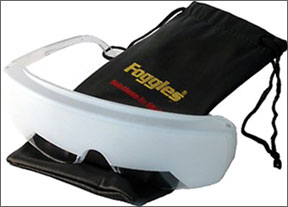
Congratulations to Tom Turner on another well-written article (“Instrument Rating: The First 100 Hours,” May 2009). Ive been flying GA aircraft in the IFR system since 1990. The conundrum of flying in real weather when most of the instruction is simulated poses real problems for the newly minted IFR pilot. My advice to the newbie would include a couple of additional recommendations. First, I would recommend a visit to your nearest ARTCC, which I think will clearly illustrate your contract with the controller, and will greatly simplify things. Second, learn your local weather patterns for the four seasons. Third, make up imaginary trips you may need to take and figure out by talking to a briefer and using online weather products how you would complete the flight. Fourth, file an IFR flight plan on every flight beyond the $100 cheeseburger run. Next, make up your own checklists for each aircraft you fly, having a LIFR checklist, a winter IFR checklist, a night checklist, etc. My checklist always starts the day before the flight: Check the progs, charge the handheld back-ups, fire up the 396 to make sure the weather comes up, etc. Lastly, spend some time with people who arent cavalier, but whove done the mission and learn the friendly clouds from the unfriendly. Ask the airport manager who the guys are at the field who fly in the weather. There are always those perfect practice days when its clear above 4000 feet and non-convective, but 800-and-2 on the deck.