











I read with interest your article on VFR into IFR conditions (“Inadvertent IFR,” October 2009). It seems to me you missed one of the most obvious aids to maintaining control of the aircraft: Engage the autopilot and fly the plane with the heading bug on the heading indicator. Nothing could be simpler. Using the autopilot keeps turns at appropriate angles and gives you time to communicate and sort 288
By George
I read with interest your article on VFR into IFR conditions ("Inadvertent IFR," October 2009). It seems to me you missed one of the most obvious aids to maintaining control of the aircraft: Engage the autopilot and fly the plane with the heading bug on the heading indicator. Nothing could be simpler. Using the autopilot keeps turns at appropriate angles and gives you time to communicate and sort things out. The only additional factor to keep in mind is to maintain proper trim.

Key Takeaways:
- Autopilots are a crucial aid for VFR pilots inadvertently entering IFR conditions, helping maintain control and allowing time for communication, though education on avoidance and manual recovery remains paramount.
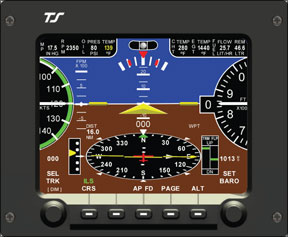
- Upgrading to advanced avionics like EFIS requires significant training and ongoing practice to achieve and maintain proficiency, posing a challenge for General Aviation pilots who fly infrequently.
- Pilots must prioritize safety above all else, even over ATC instructions, and have the authority to decline unsafe maneuvers, such as attempting a sharp turn on short final.
- Low visibility takeoffs demand extreme caution, specific localized weather conditions, an immediate "out" option, and an increased speed margin for a safe initial climb.
Key takeaways sponsored by Aviator Pro | Start Your Training ->
See a mistake? Contact us.

