













I couldn’t agree more with Jim Wolper in his excellent November 2024 article, “Using The Rudder,” that without some kind of yaw indicator, we can’t trust the seat of our pants. I take that literally.
As a long-time ag aviation pilot, where aggressive and repetitive stick and rudder inputs are part of the job, my suggestion to all pilots for keeping the ball centered is to fly by “the small of our backs.”

Our bottoms have too much adipose (fat) tissue to be sensitive to sideways movement (e.g., slip or skid), whereas the small of our back just above waist level has minimal tissue and is highly sensitive to lateral movement. Sit in a chair with your back firmly against the backrest and move your torso left and right. You will quickly see how sensitive your lower back is to sideways movement.
Next time you go flying, try yawing the aircraft to the left and holding it for five seconds. Be aware of the resultant sensation in the lower back where it contacts the seat. Do the same while inducing right yaw.
Repeat that exercise a number of times until you associate those pressures with a respective slip or skid. You’ll then be able to translate that into corrective action with left or right rudder as required. The elusive Holy Grail of coordinated flight may be closer than you think.
—Ted Delanghe, Via email
That’s certainly a novel concept, and one I’ll check out next time I have the chance. In the meantime, and until my lower back recovers from yard work, I’m going to step on the ball.
Editorial Indexes
I’d like to provide my students with functional awareness of a great resource for equipping one’s self with solid flight safety info.
For which prior years are annual inclusive/topic indexes like the one included in the December 2024 issue available?
Please and thank you!
—Matt Farmer, Via web form
I’ve been Aviation Safety’s editor-in-chief since the June 2004 issue, and we’ve always published an annual editorial index, by broad subject and title, in each December issue. Back issues are available on our web site as complete PDFs. Some may be behind the site’s paywall, but subscribers should have free access to all of our older content.
Hope this helps. If you have trouble logging into the magazine’s web site, email our customer service people at: CustomerService@Flying.media.
Thanks!
Landings With A Porpoise
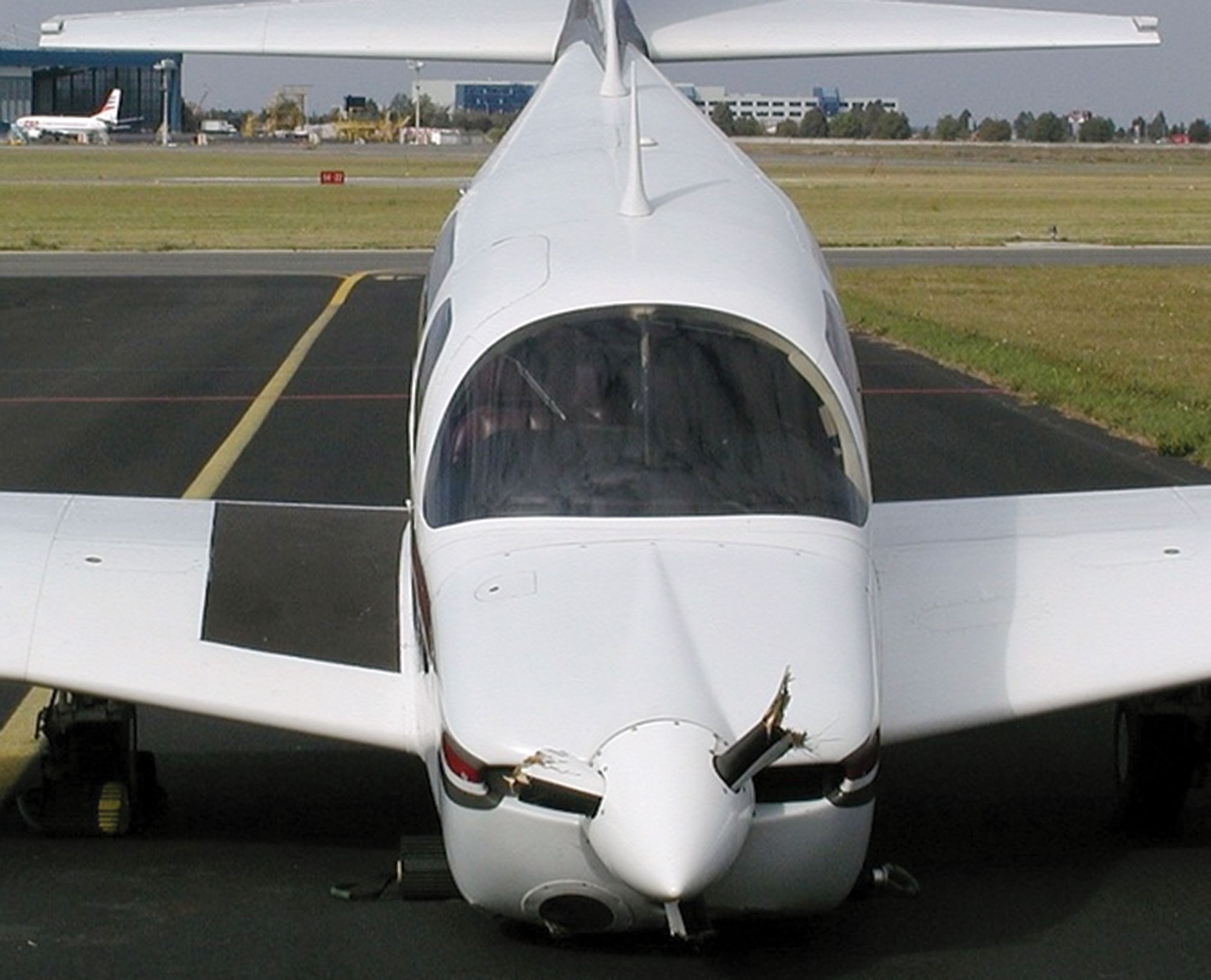
Thanks for Michael Banner’s December 2024 article, “Landings With A Porpoise.” Uncontrolled bounces and the undue energy they can impart to nose landing gear, often causing them to fail, historically seem to be a consistent way pilots lose control on landing.
Starting with a stable approach, as the article states, is one way to help prevent porpoising on landing. But after the first bounce and before the porpoising gets started, isn’t that a great time to simply go around?
Maybe if pilots were simply trained to go around from any bounce in which the main wheels leave the ground? Prevent the porpoise by getting off the runway and going around?
—Mike Stevens, Via email
We strongly agree that going around at the first bounce is a sound strategy in combating the porpoising landing. Doing so changes the airplane’s trajectory away from the runway while adding takeoff power with the application of nose-up input on the pitch control gets the nosewheel off the ground and helps prevent the porpoise itself. Going around gives us a chance to correct our mistake.
