Unicom

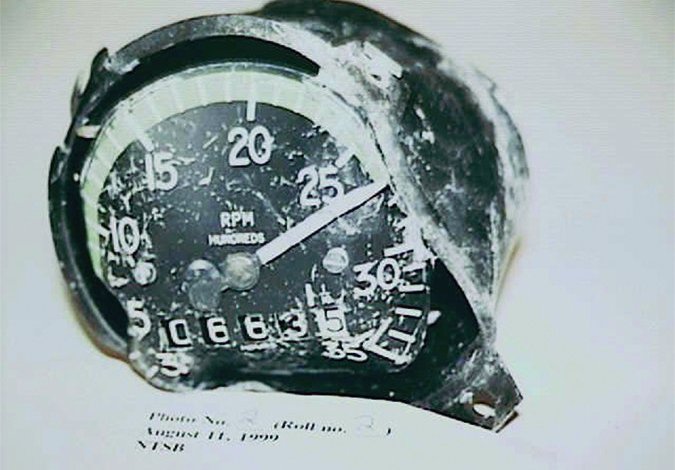
Even More on the JFK, Jr. Airplane Crash

Your statement of the facts and reiteration of the NTSBs probable cause explain the situation well. Missing, though, is digging into the true causes of the situation. Without examining them, its impossible to answer the question in your subtitle, nor to explain to those myriad non-pilots what really happened and why.
Read More »

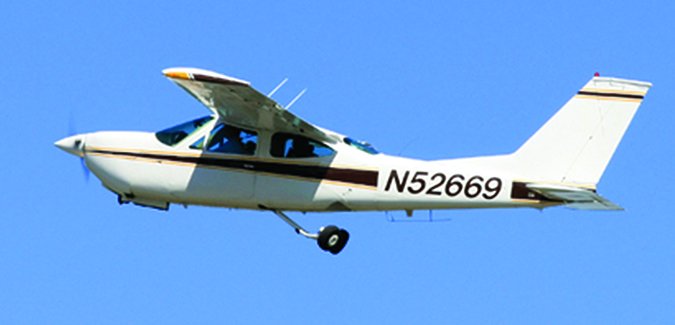
More on JFK, Jr.

Kennedys current logbook was not located. The NTSB used records from training facilities, copies of flight instructors logbooks, and statements from instructors and pilots to estimate the pilots total flight experience …at about 310 hours, of which 55 hours were at night. His estimated flight time in the accident airplane was about 36 hours, of which 9.4 hours were at night.

Read More »

Severe-Clear IFR?

After earning my instrument rating, I took my CFIIs advice to heart and have filed IFR religiously on virtually every flight since my checkride eight years ago. I do it because I noticed that I am more tuned up for IFR flight than I am when flying VFR. My preflight planning is more thorough and my cockpit is more organized.

Read More »

Multicom Frequency

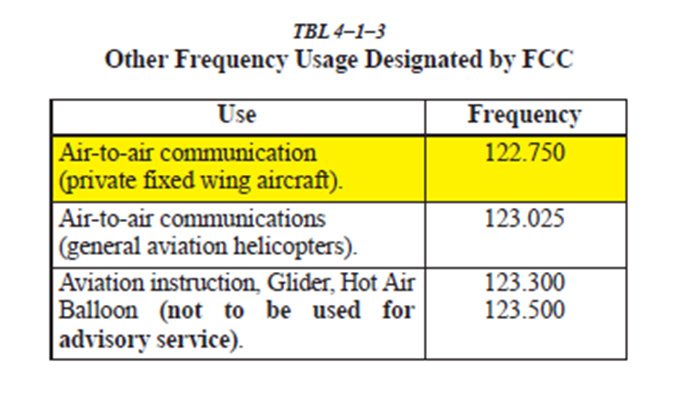
Like many airports in the U.S., my home base does not have a dedicated Unicom frequency. Instead, we use the Multicom frequency, 122.9 MHz, to self-announce our positions and intentions. Occasionally, two or more pilots trying to use the same runway at the same time will use the frequency to work out details of sequencing themselves, but thats about it. Other airports in the vicinity also use 122.9, including nearby Cheap Fuel County, so its easy and convenient to leave the selected comm radio on that frequency when popping out to top off before a longer flight.

Read More »

Landing Out

Ive been flying for 40 years in my J-3 Cub, in the USAF, for a major carrier, etc., and its always a special thing when I stumble across genuinely new and valuable information about flying. The landing-out decision seems to hinge on the difficult psychological step of accepting and owning the situation and the consequences of dealing with the aftermath of getting the airplane back out, which Durden addressed eloquently, if not almost philosophically.

Read More »

Endurance And Gouges

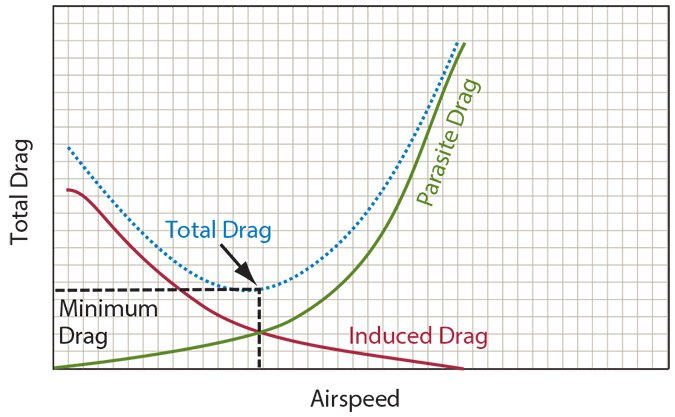
It seems to me that power pilots seeking best endurance should avoid using an autopilot. I understand that autopilots operate elevators rather than the throttle. I’ve often wondered why one might slow their plane in sink, using up elevator, and spend more time there.

Read More »

Gears, Flaps, and the Pilot’s Bill of Rights 2

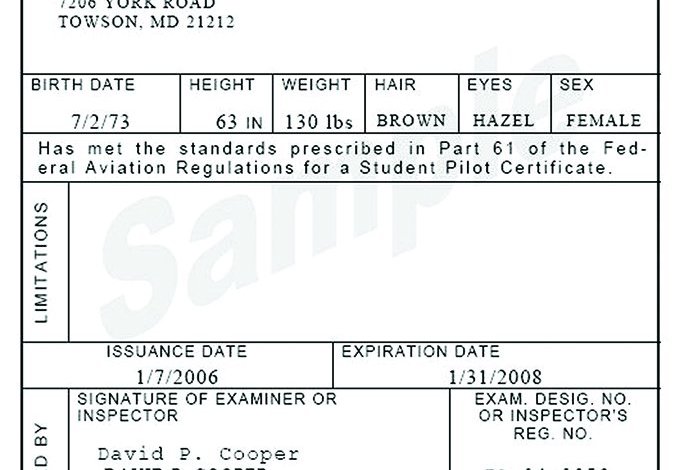
I take issue with the suggestion that it is generally a good idea to retract the landing gear before retracting the flaps to a mid/approach setting. There are a lot of pilots who are going to find that getting medical clearance to fly will be harder, not easier, under this proposed law. My fear is that the process will be foisted back on AMEs without liability protections nor the ability to order tests to verify fitness without a patient/physician relationship.

Read More »

More Laws And Sausages

Along with most pilots, I have been following the battle to eliminate third class medicals for private pilots under certain circumstances. I have asked myself, what benefits this might offer to the aviation community, and the general public? The AOPA has been an advocate for these changes, stating it is an excessive cost and burden to pilots! Some have suggested that this will help increase the decreasing number of pilots. Is this really the direction we want to go? One might make an argument in the opposite direction, that older pilots need more medical supervision.

Read More »

Pilot Bill of Rights, Control Riding and Dealing with Drones

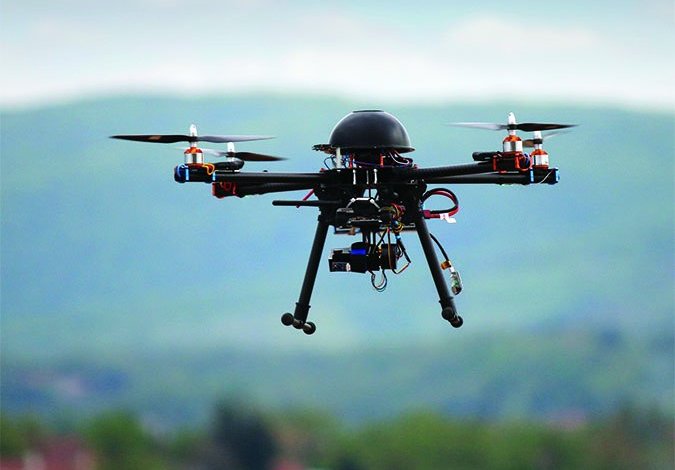
The Air Line Pilots Association (ALPA) on June 23, 2015, wrote U.S. Senators saying it is fundamentally opposed to the dangerous policy shift proposed by the Pilots Bill of Rights II (PBOR2). Reader Martin Brookes writes that every instructor he has flown with couldnt resist adding their control input on landing via subtle, unannounced control inputs to help the student. This is an unfortunately common practice, sometimes called control riding. While its easy to bash the FAA efforts to regulate drones, its important to note Congress in 2012 told the agency to come up with a regulatory scheme allowing UAS operations in the national airspace.

Read More »

Pilot Training Mishaps & Heavy Loads in the Aft End

Readers give their feedback on past Aviation Safety stories. A pilot breaks down the aerodynamics of loading extra weight in the aft of your aircraft. The auothors of The Limits of Expertise send their love, and the subjectivity of student experience is called into question. Find your center of gravity with this insightful commentary from our valued subscribers.

Read More »
Pilot in aircraft
Sign-up for newsletters & special offers!

Get the latest stories & special offers delivered directly to your inbox.

SUBSCRIBE