Unicom

Water Effect?

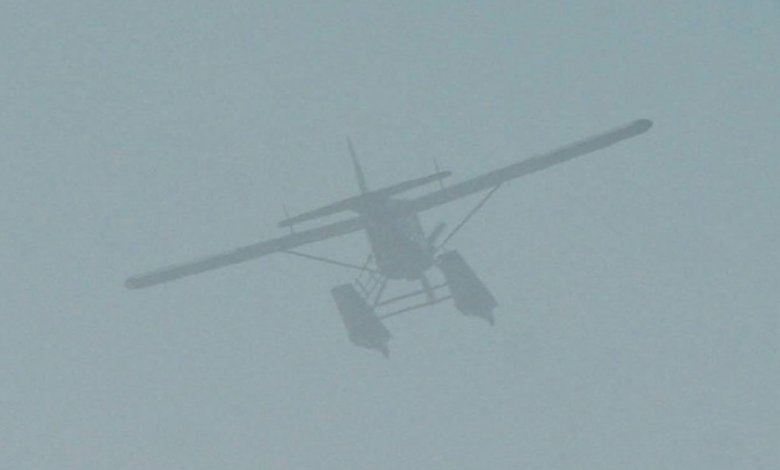
Heres a question for you about ground effect, prompted by your article, Using Ground Effect, in the October 2015 issue, and specifically the statement: We all should know ground effect is only encountered…well, close to a flat surface, be it liquid or solid, but sometimes we forget.
Read More »

Bank Angle Vs. G Force

If I see one more graph or chart showing that if Im in a 60-degree bank (Maneuvering Stalls, September 2015), I must be pulling 2G, I think Ill throw up. Presenting this data is an indication of competence in trigonometry but someone is not paying attention to the real world of airplane flying.

Read More »

Negative G?

Dr. Banners article in Julys issue, In-Flight Fires, mentions to bank 45 degrees during an emergency descent to create positive g loading and help offset negative g forces.Question: Generally speaking, why can airplanes withstand (or be certified for) greater positive g load limits than negative? Stated another way: Why are negative g loads more restrictive?Thanks for a great publication!

Read More »

Crosswinds On Rails

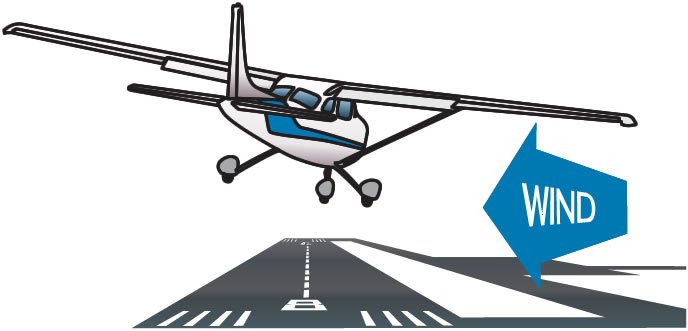
I enjoyed Jeb Burnside’s article, Crosswinds On Rails, in the July issue and some further suggestions about crosswind landings, plus a correction:

Read More »

Missing Traffic

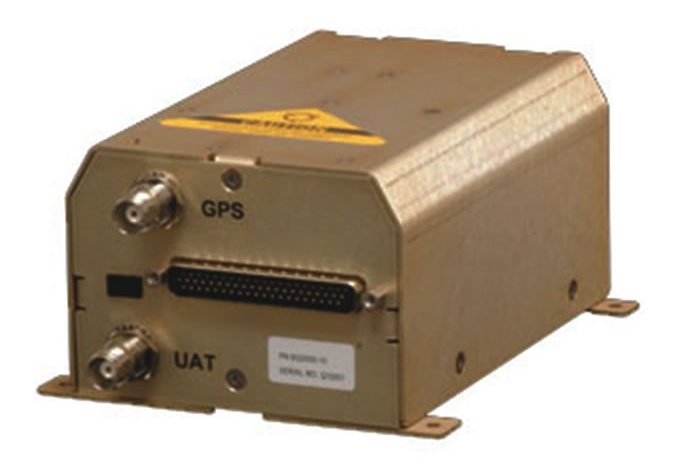
There might be an inaccuracy in your excellent article, “Time to Bite the Bullet?” in the June 2015 issue.We all agree that ADS-B In (TIS-B traffic data and FIS-B weather information) is provided by ADS-B ground stations and received by 978 MHz UAT receivers, through certified/installed and/or portable units. The TIS-B traffic data is rebroadcast from the ADS-B ground stations and shows the same traffic a radar controller sees (except for primary targets), so there is no difference whether the aircraft position is transmitted to the ground through a 1090 MHz extended squitter transponder or through UAT-Out 978 MHz transceiver.

Read More »

Out Of Control?

Your May 2015 issue exemplifies continued excellence by probing the contributing factors leading to aircraft accidents. Articles on icing, fueling, landings, situational awareness and IMC are likely activities that we experience every time we fly. My interest as a pilot and investigator is to focus on the factors that lead to human response errors.

Read More »

Old vs. Young

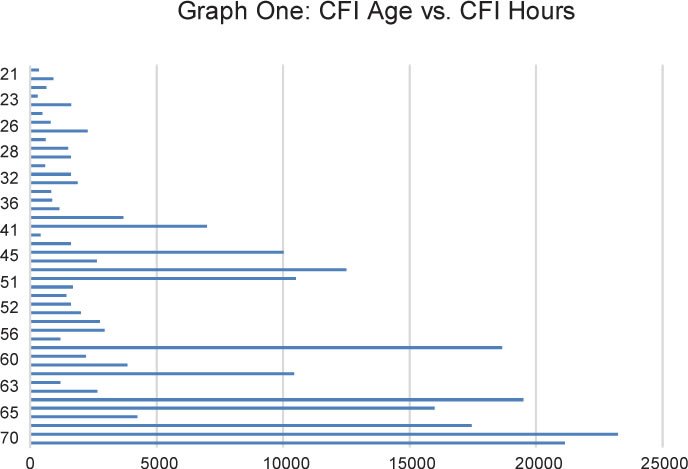
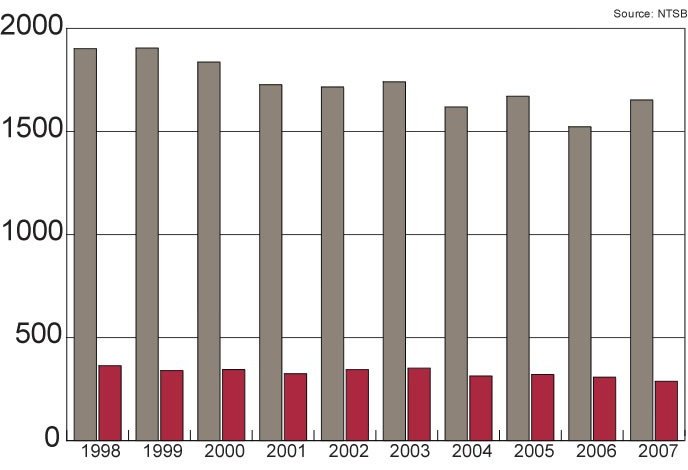
I agree with Clete Knaubs overall conclusions in Old? Or Young, February 2015. I also agree with the comments on page 18 that there could be many other factors involved that could explain what is going on-confounding factors. There are known and unknown factors, and we dont know how they impact the outcomes or how they might be correlated with each other, nor how they interact among themselves. Its a classic multicollinearity problem

Read More »

Make Good Decisions

Every month I read and digest the NTSB reports in Aviation Safety with a knot in my stomach. Like most pilots, I recognize and value the opportunity to learn from the circumstances that result in so many unfortunate outcomes. While I will continue to appreciate your reporting of these often-tragic events, I wanted to point out how much I enjoyed Amy Laboda’s article, Making Your Own Luck, in your January 2015 issue. If possible, I think you should print a monthly column that focuses on the excellent planning and decisions that lead to pilots safely and effectively overcoming an emergency situation. While we should continue to learn from the mistakes of others, we should also learn to emulate those who have done it right!

Read More »

Using The Rudder

I thoroughly enjoy reading Aviation Safety and its professional articles. Having said that, I was surprised to read the questionable advice by Michael Banner in his article, Proper Rudder Use (October 2014).

Read More »

Zero-Zero Departures

I read Zero-Zero Departures in your December 2014 issue with great interest. Like the author, I have heard over the years many of the same comments about zero-zero departures. They are risky, stupid, crazy, a death-wish, etc. While most of these comments largely are overstatement, unlike the author, I do agree with the naysayers: A zero-zero departure is riskier than a missed approach. The risk is in the first 200 feet the author with a wave of his pen dismisses.

Read More »
Pilot in aircraft
Sign-up for newsletters & special offers!

Get the latest stories & special offers delivered directly to your inbox.

SUBSCRIBE