













Register

Crosswinds On Rails

I enjoyed Jeb Burnside's article, Crosswinds On Rails, in the July issue and some further suggestions about crosswind landings, plus a correction:

Gemini Sparkle

Key Takeaways:

  • For crosswind landings, delay setting up the full slip until closer to the surface, align the nose slowly to avoid rudder-induced roll, and add 10 knots to landing speed for crisper aileron control, noting the alignment transition should be "smooth," not "coordinated."
  • The Buddy Holly accident discussion highlights how the non-standard display of the Sperry F3 attitude gyro could lead to misinterpretation and loss of control, emphasizing the critical need for pilot proficiency with specific aircraft equipment and robust risk management (PAVE).
  • A factual correction clarifies that Apollo 12, not Apollo 15, was struck multiple times by lightning during its ascent.
See a mistake? Contact us.

I enjoyed Jeb Burnside’s article, “Crosswinds On Rails,” in the July issue and some further suggestions about crosswind landings, plus a correction:

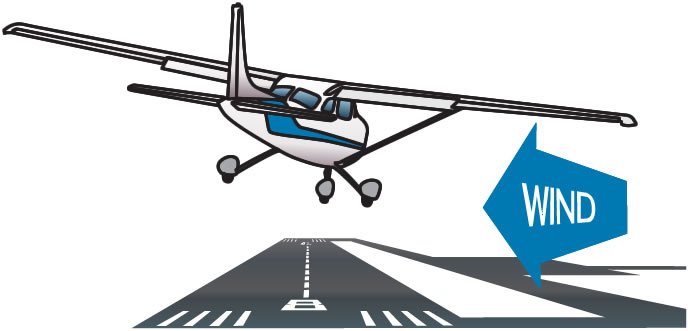
If you use the slipping technique landing upwind wheel first, I suggest that you don’t set up too early with your slip on final. The winds even at 200 feet agl usually are much stronger than at the surface, so you may have lots of cross-control input and the added power all that drag requires. Just crab it down to 100 feet or even 30 feet, then slowly put the wing down while swinging the nose straight. This works well whether I’m flying an MD-88 or my J-3.


Ready to Sell Your Aircraft?

List your airplane on AircraftForSale.com and reach qualified buyers.

List Your Aircraft
AircraftForSale Logo | FLYING Logo
Pilot in aircraft
Sign-up for newsletters & special offers!

Get the latest stories & special offers delivered directly to your inbox.

SUBSCRIBE