Aviation Safety

Failure To Communicate

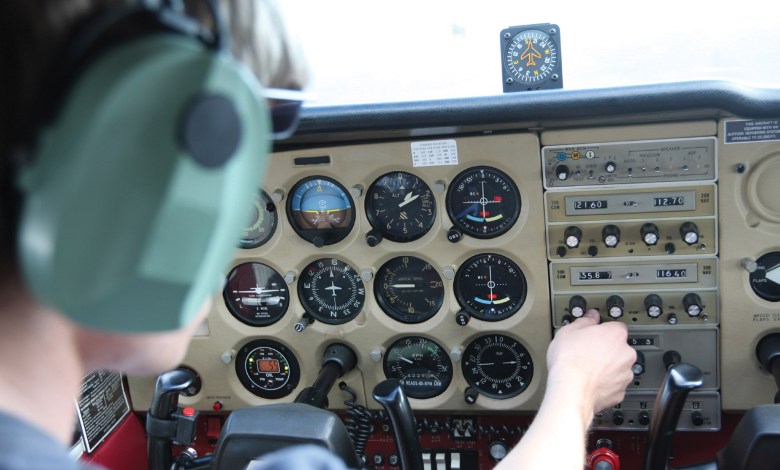
I try to fly our airplane at least once every two weeks because just as its not good for a plane to just sit in a hangar, its also not good when a pilot doesnt practice their skills. Sometimes, even on clear days, I will fly instrument approaches at a nearby Class C airport. I do this for several reasons: to verify that all of the navigational instruments work properly, to practice working with ATC and if things dont work, I am in VFR conditions and am at very little risk.

Read More »

NTSB Reports

After overflying the destination runway, the crew made a steeper-than-normal approach to the 3880-foot-long runway due to terrain. According to the captain, a bump was felt near the threshold during the landing but it was not extreme. As the propellers were reversed, the airplane veered to the right. The crew corrected and the airplane tracked straight for about 2000 feet before veering sharply right, exiting the runway and spinning 180 degrees. Inspection of the runway threshold revealed several four-foot-tall piles of rocks and dirt.

Read More »

Notam Changes Coming

Notams have had a rocky decade, getting most of the blame in 2010 when the FAA accused U.S. Senator James Inhofe (R-Okla.) of landing on a closed runway in Texas. He maintained he researched applicable Notams as part of his preflight planning, but didnt find one for his destination. The FAA didnt agree and brought an enforcement action against the Senator. In turn, Inhofe developed and in 2012 saw enacted the Pilots Bill of Rights, which among other things mandated an overhaul of the Notam system. Subsequent legislation-2015s Pilots Bill of Rights 2, also by Inhofe-sought to further improve the Notam experience for pilots. Its the legislation that created the BasicMed option to traditional FAA medical certificates.

Read More »

Winter Weather Tools

Like it or not, winter weather is upon us here in North America. After a few brief weeks of not as much thunderstorm activity, were headed squarely into a a couple of months featuring widespread near-freezing temperatures and precipitation. From storing our airplane, to preflighting it, picking a route and ensuring our destination doesnt have any slippery surprises, winter weather will have an impact on our operations, likely even if we stay in the pattern at a Southern California airport.

Read More »

Lean Of Peak EGT

Its basic human nature that we often want to improve the efficiency of the things we do. Its also human nature to be skeptical when were offered something of value that carries little or no cost: Wheres the catch? What am I giving up to benefit from this largesse? These can be legitimate questions, and they deserve detailed answers, no matter whats being offered. When considering how pilots use the mixture control to manage aircraft piston engines, desires to improve efficiency and healthy skepticism can intersect.

Read More »

Hold Everything

Full disclosure: I suck at holds. I can find the fix and figure out the recommended entry method without too much trouble. And I usually turn the correct direction upon crossing the holding fix. Usually. After that, things start to become loosely held, and it might take me a couple of laps to nail the wind correction angles. Throw in a descent while in the hold and my cockpit gets busy. I guess thats why the FAA a few years ago added holding patterns to the maneuvers required to accomplish an instrument proficiency check. Its all my fault.

Read More »

Propeller Problems

During a routine training flight, the right engine was intentionally shut down to demonstrate inflight restarts. After a normal shutdown and securing procedure, the engine master switch was switched back to on per the checklist. Usually, this drives the propeller out of feather, and the restart procedure is continued. Instead, the propeller did not unfeather, even after attempting several troubleshooting procedures. The flight returned safely on the left engine.

Read More »

Home For The Holidays?

At least in North America, that also can be the dead of winter for many locations, and the personal airplanes many of us fly just arent equipped to cope. For example, and other than a warm pitot tube, they generally lack anti-ice equipment. They likely may not have the range or endurance to reliably avoid weather, or retreat to solid-gold alternates. For non-instrument-rated pilots, the challenges can be even grimmer: Low ceilings and visibilities can wreck carefully made schedules by forcing us to stay on the ground.

Read More »

Over-Water Risks

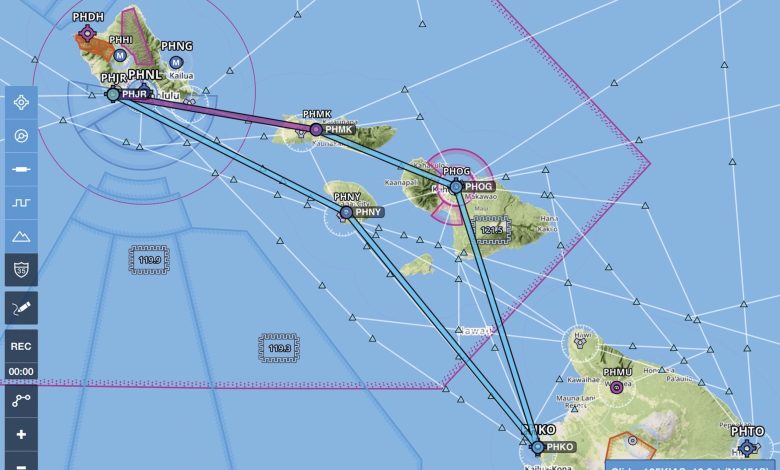
Its an aviation clich that your single engine goes into automatic rough when crossing any significant body of water. To be sure, any engine problem while beyond gliding distance from land is a critical problem, even if you have more than one. When flying a single, its everything. Another clich is that most of us dont bother to analyze the real risks of overwater flying. Any water crossing of any significance-and wed put the Great Lakes, Hawaii and Bahamas in that basket-should be carefully planned to ensure risks are mitigated to acceptable levels. The thing is, both clichs are true more often than not.

Read More »

Filing Direct?

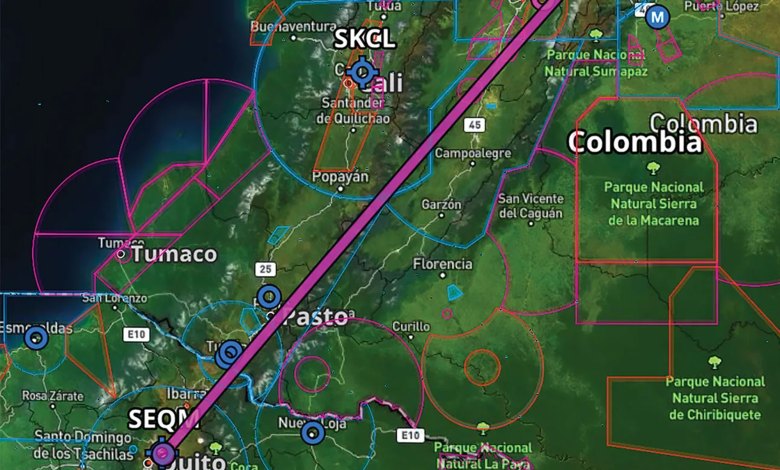
Since Eric is a working controller, I respect his advice. I was a little surprised when he stated that filing direct grinds controllers gears. With GPS capability, filing direct has saved me a lot of time and money. It was never realized that doing so was creating a problem for anyone. It was not done as a sign of laziness or to engage in a bad practice, but to get in and out of the ATC system as quickly and efficiently as possible.

Read More »
Pilot in aircraft
Sign-up for newsletters & special offers!

Get the latest stories & special offers delivered directly to your inbox.

SUBSCRIBE