













Failure To Communicate

I try to fly our airplane at least once every two weeks because just as its not good for a plane to just sit in a hangar, its also not good when a pilot doesnt practice their skills. Sometimes, even on clear days, I will fly instrument approaches at a nearby Class C airport. I do this for several reasons: to verify that all of the navigational instruments work properly, to practice working with ATC and if things dont work, I am in VFR conditions and am at very little risk.

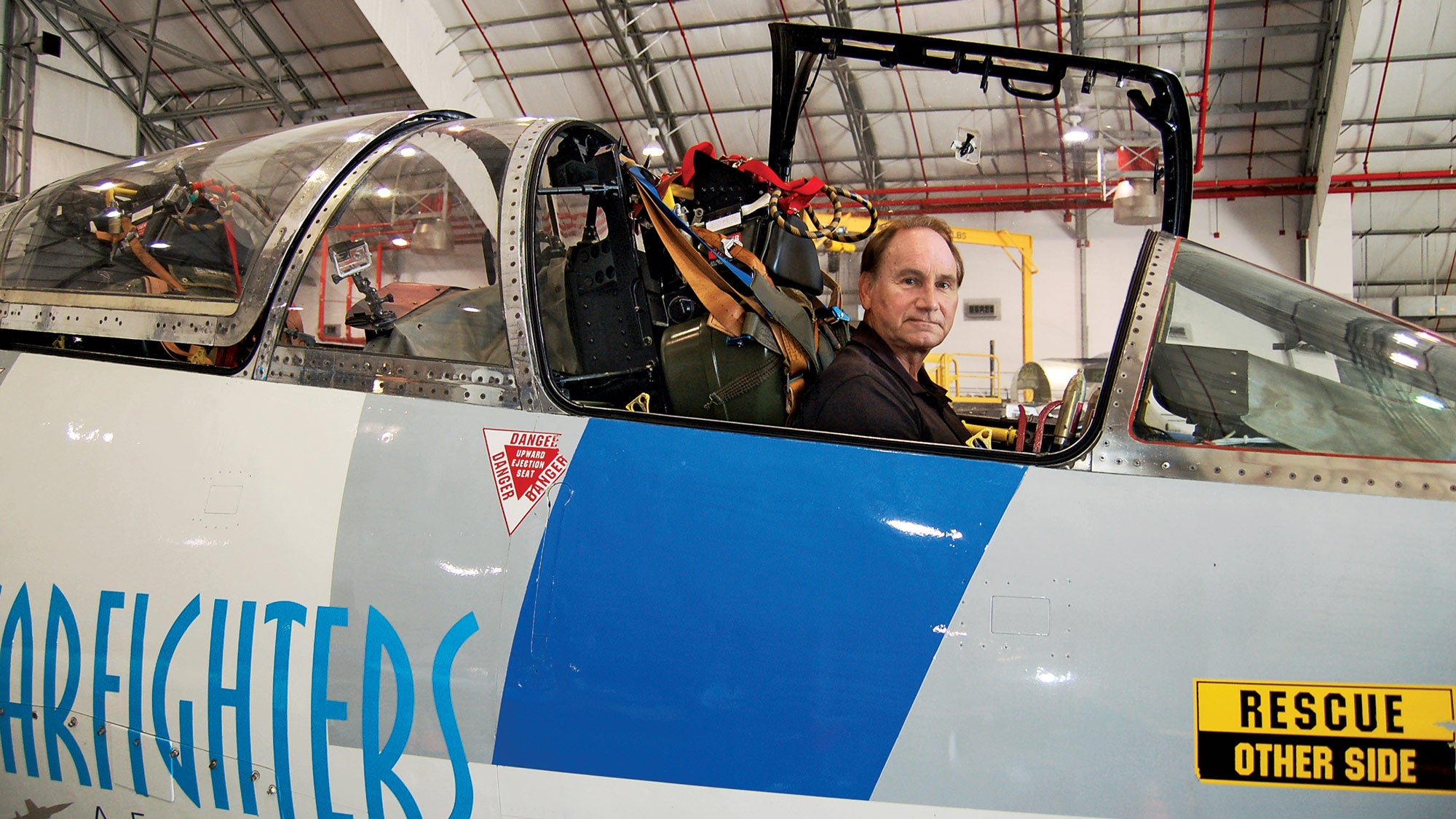
Rick Svetkoff seated in his favorite ride. Les Abend
Gemini Sparkle

Key Takeaways:

  • During a routine practice flight in controlled airspace, a pilot experienced complete radio failure, initially manifesting as static that quickly escalated to total communication loss.
  • Recalling the "Aviate, Navigate, Communicate" principle, the pilot prioritized flying the aircraft and navigating before troubleshooting the communication issue.
  • Through persistent troubleshooting, including adjusting volume and changing equipment, the pilot eventually re-established faint, one-way communication with ATC, allowing them to request and receive clearance to return to their home airport.
  • The incident emphasizes the critical importance of regular pilot practice, instrument checks, and adhering to the "Aviate, Navigate, Communicate" sequence when facing unexpected cockpit emergencies.
See a mistake? Contact us.

I try to fly our airplane at least once every two weeks because just as it’s not good for a plane to just sit in a hangar, it’s also not good when a pilot doesn’t practice their skills. Sometimes, even on clear days, I will fly instrument approaches at a nearby Class C airport. I do this for several reasons: to verify that all of the navigational instruments work properly, to practice working with ATC and if things don’t work, I am in VFR conditions and am at very little risk.

On one of those clear days, as ATC vectored my wife and me to intercept the localizer for a practice approach, I noticed static in my headset. The controller also noticed it and said, “That static may be on my headset; I’ll check.” He then turned us over to the tower for the remainder of our approach. As the tower cleared us for the option and gave us our climbout instructions, I noticed that the static was still with us. However, at that point, I could hear the tower’s directions clearly.


After a touch-and-go, we began the climb up to 3000 feet and turned as directed by the tower. Shortly, the tower controller switched us back over to approach control. And that’s when all static broke loose! I could hear nothing in my headset. I tried everything that I could think of to get radio communication back. My non-pilot wife sitting in the copilot seat had a blank look on her face, indicating that she heard the same static that I was experiencing.

About that time, a thought from my training days went through my mind: aviate, navigate, communicate—in that order. Even though my focus was on our radios, I glanced at the panel. Airspeed, good; wings level, check; heading last given by the tower, close enough.

With no radio communication and in controlled airspace, I thought that I should reset our transponder to the lost communications code, 7600. I changed radios, cycled frequencies, changed headsets, etc. Nothing worked. Then I noticed that if I turned the radio volume way up, I could make out approach control in the background. The controller was asking about us, saying, “How do you read?” Then I heard him say, “What do you want to do?” As loudly as I could, I requested to return to our home airport, which was about a 15- to 20-minute flight away. I could make out the controller clearing us direct, with altitude at my discretion.

As we had our home airport in sight, I heard a final transmission from ATC: “Radar services terminated, squawk VFR.” I responded, saying, “Thanks for the help today. I’ll get my radios fixed before I fly again.” I’m not sure if the approach controller heard us or not.

I turned off the radios and landed without incident. I will have our radios fixed before I fly again. Moral of the story: No matter what is happening in the cockpit: aviate, navigate and then communicate.

Ready to Sell Your Aircraft?

List your airplane on AircraftForSale.com and reach qualified buyers.

List Your Aircraft
AircraftForSale Logo | FLYING Logo
Pilot in aircraft
Sign-up for newsletters & special offers!

Get the latest stories & special offers delivered directly to your inbox.

SUBSCRIBE