Aviation Safety

Fatals Higher In 2014

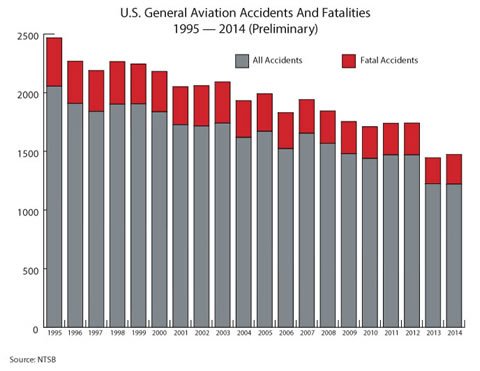
The NTSB in early August released preliminary general aviation accident statistics for 2014. Sadly, and despite major efforts at the FAA and within industry to enhance safety, the NTSBs preliminary 2014 data show an increase in fatal general aviation accidents, from 222 in 2013 to 253 in 2014. Our calculator says thats a 13.9 percent increase in fatal accidents between 2013 and 2014.


Read More »

NASAs Latest Crash Tests

If there is any one thing guaranteed to frustrate an airplane owner-there actually are several, but work with us here-its the emergency locator transmitter, or ELT. The ELT, which was mandated by Congress in the early 1970s, got off to a bad start. Relatively short deadlines meant there werent enough of the devices available to meet the mandated demand. And they failed to activate in a crash more than 75 percent of the time. When they did activate, a whopping 97 percent were false alarms, according to the Aircraft Owners and Pilots Association (AOPA), resulting from something like a hard landing.

Read More »

In Need Of Some Restraint

One of the side benefits of having some spare airframes, a test facility and a bunch of motivated engineers is the other kinds of testing you can do. According to Chad Stimson, NASAs project manager for the ongoing ELT testing, other data also is being collected, mostly as a supplement to earlier studies.

Read More »

Smoke Gets In Your Sky

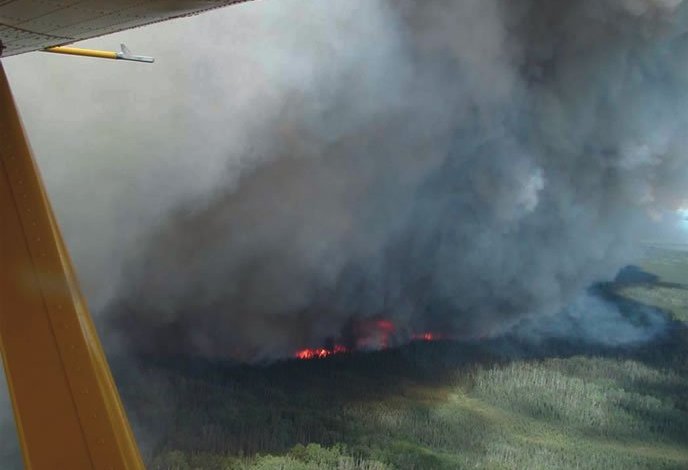
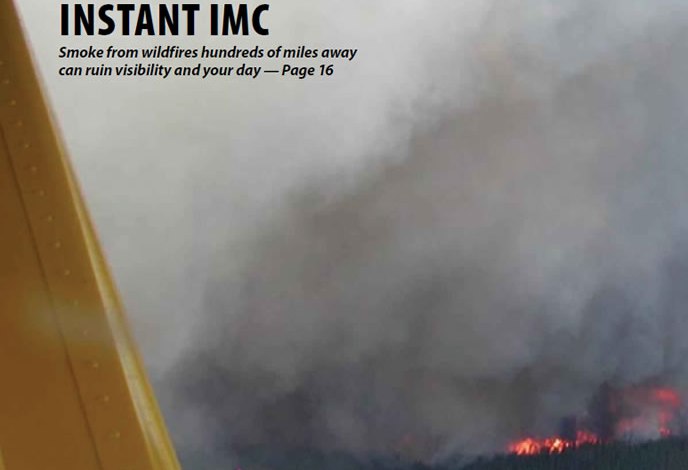
The blue of a dry western sky can be breathtaking. But just after winters overcast gives way to clear and deep blue, an insidious menace begins to turn the blue skies white: smoke from the summer fire season. If the national news is covering numerous large western fires, anybody planning a flight in the western U.S. between July and October needs to be prepared to factor smoke into their pre-flight briefings. Check the fire map, or at least glance at the distribution of forest-fire TFRs.

Read More »

Family Affair

The rule passed down from a father active in aviation to boys of teen age learning to fly an 85-hp Cessna 140: Never tie down or hangar the plane after a flight without topping off the tanks. It was good advice for the two of us flying the same plane: courtesy, good habits and prevention of water condensation in hot, humid Kansas.

Read More »

Laws Or Sausages

If youve been paying attention to the GA industrys efforts to deregulate the FAA medical certificate, you may know theyre proceeding along multiple paths. Progress is being made, but its slow and often not easily identified. Such is the nature of political thrust and drag.As you may recall, eliminating the need for an FAA medical certificate has been proposed for non-commercial operations of airplanes weighing 6000 pounds or less. Its based in part on the success of the sport pilot certificate and the 10-plus years of experience weve had with pilots using a state-issued drivers license to demonstrate their medical fitness.

Read More »

Strutting

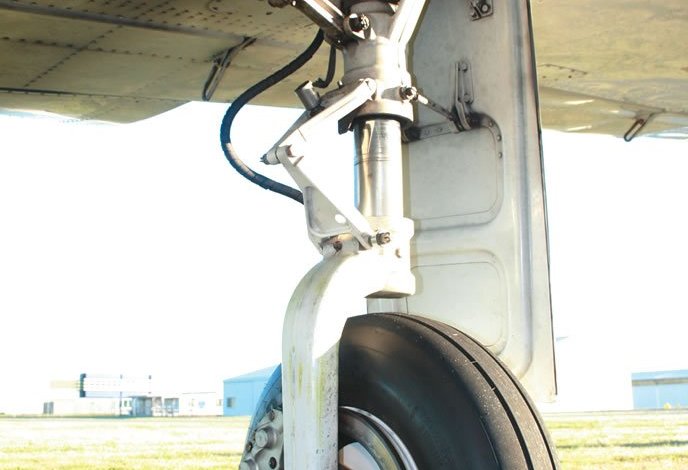
During landing gear retraction tests, it was noted the nose wheel assembly would contact the right nose gear doors aft hinge during landing gear cycle. Also, the nose wheel assembly contacted the nose wheel well structure when fully retracted. Precision measurements determined the nose strut assembly-to-aircraft-structure attach points were misaligned.

Read More »

Negative G?

Dr. Banners article in Julys issue, In-Flight Fires, mentions to bank 45 degrees during an emergency descent to create positive g loading and help offset negative g forces.Question: Generally speaking, why can airplanes withstand (or be certified for) greater positive g load limits than negative? Stated another way: Why are negative g loads more restrictive?Thanks for a great publication!

Read More »

NTSB Reports: August 2015

At about 1730 Central time, the airplane was substantially damaged during a forced landing to a field following total loss of engine power during cruise flight. The airline transport pilot and passenger were not injured. Visual conditions prevailed.About 15 minutes after adding 30 gallons of fuel at an en-route fuel stop and while cruising at 3500 feet msl, the engine lost all power. Emergency procedures werent successful and the pilot selected a field for an emergency landing due to utility wires surrounding the adjacent roads. The touchdown was normal, but the field included rough terrain, which resulted in the nosegear collapsing before the airplane came to rest upright.

Read More »
Pilot in aircraft
Sign-up for newsletters & special offers!

Get the latest stories & special offers delivered directly to your inbox.

SUBSCRIBE