Aviation Safety

Get The Lead Out

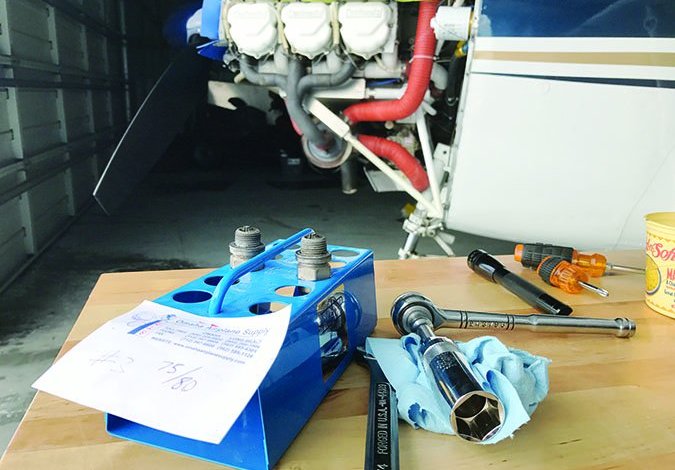
There is a fundamental reason we perform preflight run-ups and engine checks before takeoff: It is a whole lot better to find problems at 1G, 0 feet agl and 0 knots airspeed than it is while airborne. Making sure a powerplant will work as we intend before taking off is just good airmanship. A good run-up doesnt mean everything is perfect, however, and we train for airborne engine problems, including full use of its controls and instruments.

Read More »

Squaring Off

Ive never thought too much about traffic patterns. Turn left or right, fly downwind, turn left or right again. Align with the runway. Land. Or not, since tower controllers may have their own idea of traffic management. The basic idea, of course, is to maneuver the airplane so you can glide to the runway under partial power and execute one of your greasers of a landing. Depending on where you fly and how good (bad) the controllers are, regularly flying a rectangular pattern to land may not be something youve done lately.

Read More »

NTSB Reports: March 2017

After taking air samples at various altitudes, the airplane was returning to its base and overshot a turn to the Runway 36 localizer. Shortly thereafter, the pilot reported an on-board fire. The airplane, which was at 1700 feet, lost altitude rapidly and radar contact was lost. The accident site was consistent with the airplane striking the ground at a high velocity, low angle of impact in a left wing slightly low attitude. There was a ground fire after impact.

Read More »

Listen Up

Last year, in the final stages of my student helicopter pilot training, I needed to complete the solo requirement of three takeoffs and landings at an airport with an operating control tower. The short cross-country to the towered airport went well. I negotiated with the tower controller to use the airports south helipad, which is near the tower and the approach end of one of the facilitys principal runways. First circuit from and back to the pad was uneventful, two trips to go.

Read More »

IPC Scenarios

A lot of attention has been directed at the FAAs new airman certification standards (ACS), which prescribe how practical tests are conducted. Last year, the FAA implemented ACS for the private pilot-airplane certificate and instrument-airplane rating. A chief difference between the ACS and its predecessor practical test standards (PTS) is expanded integration of risk management principles. Another involves how slow flight is performed.

Read More »

Instrument Issues

Instruments have been a part of aviation since the first flights by the Wright Flyer equipped with a stopwatch, an anemometer to measure wind speed and a Veedor to measure engine revolutions. With the increase of flight activity in the early years of aviation, aircraft instruments were invented that provided necessary information to pilots for precise control and navigation of their aircraft.

Read More »

Taming The Taildragger

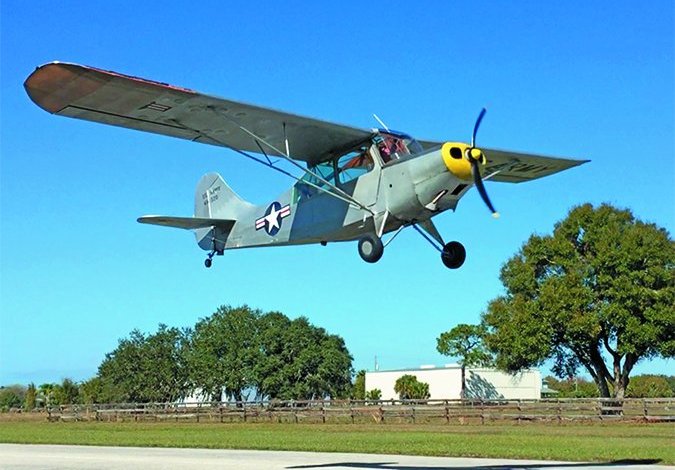
Ive long wanted regular access to a tube-and-fabric taildragger, something to fly low and slow, with my arm hanging out the window. Im happy with my go-places airplane, which fits most of my missions, but variety is a good thing. A few flights in a friend and neighbors nice, simple, original Aeronca 7AC Champ didnt whet my appetite for that kind of flying. Instead, it was stronger than ever.

Read More »

New Advisory Circulars

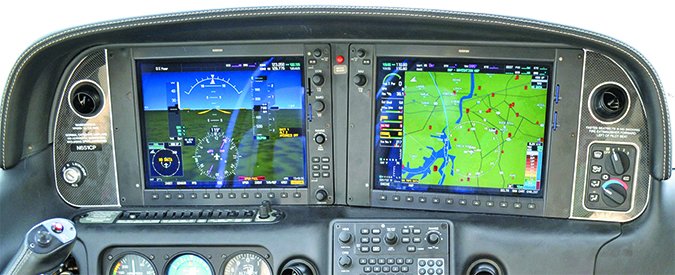
Three Advisory Circulars newly issued by the FAA in December 2016 and January 2017 may provide much-needed guidance to operators seeking answers to a wide range of certification and operational questions. Two of the ACs revise existing guidance on Use of Flight Deck Displays of Digital Weather and Aeronautical Information (AC 00-63A) and Airworthiness Approval of Enhanced Vision System, Synthetic Vision System, Combined Vision System, and Enhanced Flight Vision System Equipment (AC 20-167A).

Read More »
Pilot in aircraft
Sign-up for newsletters & special offers!

Get the latest stories & special offers delivered directly to your inbox.

SUBSCRIBE