Aviation Safety

All Of The Performance

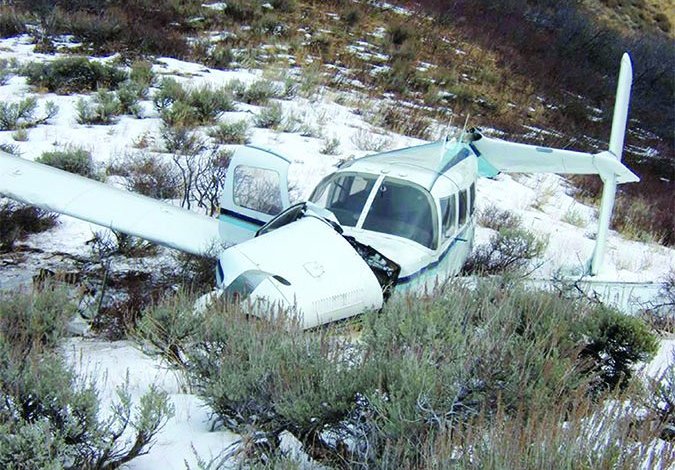
Most of us fly from nice, long, level and wide paved runways with minimal obstructions. Whether for fun, variety or vocation, others of us use less-developed runways and airports, most notably back-country airstrips. All of us know that whenever were off the beaten path-a term holding different meanings for different people-the risk of whatever flight operations we engage in goes up. While Ive done my share of off-pavement operations, most of them were to or from well-maintained grass runways with clear approach and departure paths, or from sometimes-remote lakes using a seaplane. So Im a little familiar with the roll your own style of flight operations in which many pilots engage.
Read More »

Nuts

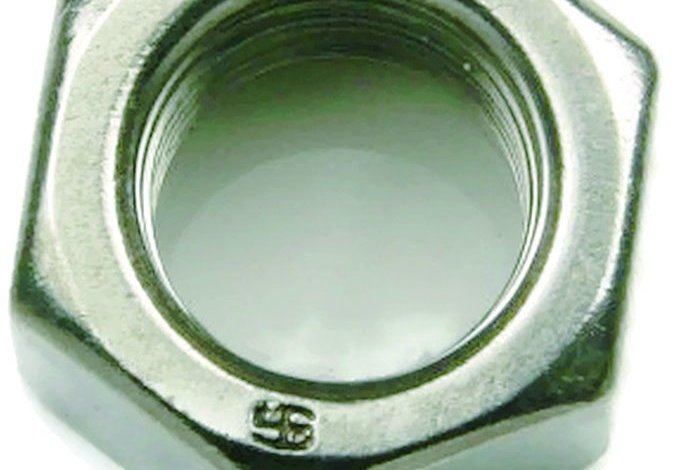
Inspection after aircraft received from paint shop found left elevator actuating rod nut unpinned and backed off almost completely, with its bolt backing out. Left aileron outboard hinge was not attached. Hinge plate pinched between skin. Aileron binding. This aircraft was flown in this condition.

Read More »

Drone Sightings Update

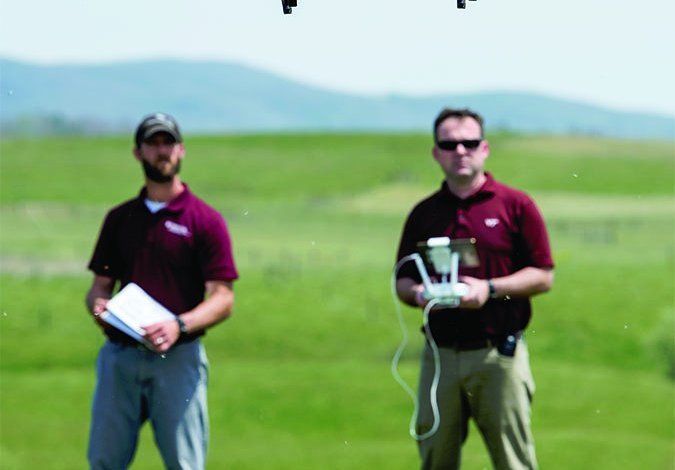
The FAA in late February released an updated list of reports detailing sightings of unmanned aircraft systems, or drones. The sightings were reported by pilots, air traffic controllers, law enforcement personnel and citizens concerned the drones posed the threat of potential collisions or other encounters with the drones. The latest data covers February through September 2016, and includes a sharp increase-1274 new reports compared with 874 for the same period in 2015.

Read More »

Fly It Like You Stole It?

I am still a student, but after a long time and many obstacles, Im finally getting close to my checkride. Along the way, Ive had a few experiences, one of which started with me basically stealing the airplane.

Read More »

Missing the Miss

Every instrument approach procedure we fly ends in one of two ways: We either see the runway environment and land, perhaps after circling to align ourselves with a runway, or we dont. When we dont, we fly a missed approach procedure designed to get the aircraft back to a safe altitude and position from which the next steps can be taken. Those next steps can include trying the same approach again, shooting a different one or diverting to a different airport. Its not that hard.

Read More »

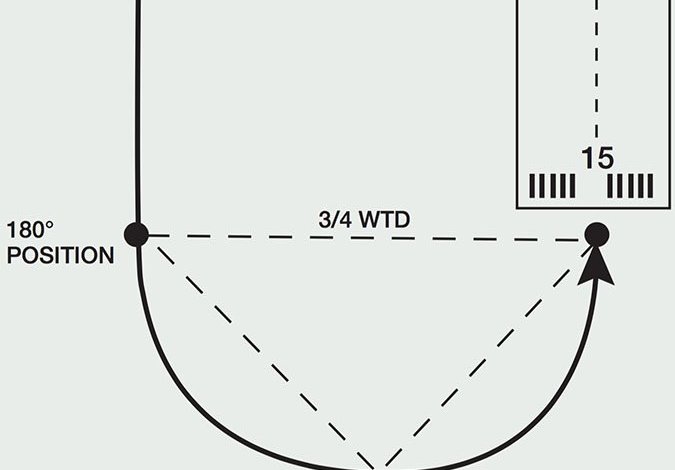
Is This The Right Runway?

and may cause an aircraft separation standard to be compromised. The area may have a history of surface incidents or the potential for surface incidents. This may be due to any mix of causes: airport geometry; ground traffic flow; markings

Read More »

Download the Full April 2017 Issue PDF

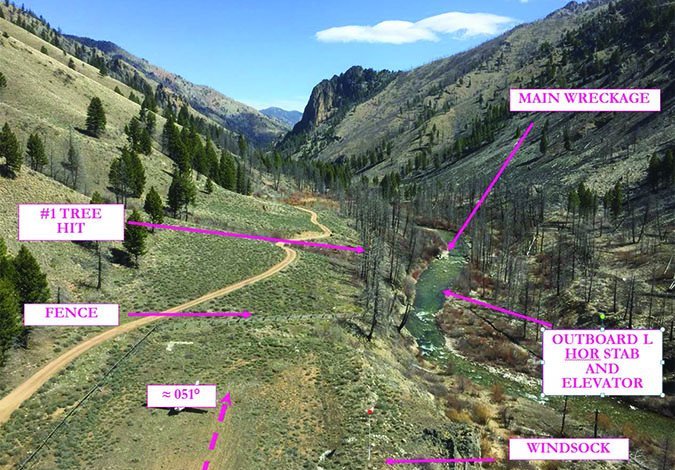
There is a fundamental reason we perform preflight run-ups and engine checks before takeoff: It is a whole lot better to find problems at 1G, 0 feet agl and 0 knots airspeed than it is while airborne. Making sure a power- plant will work as we intend before taking off is just good airmanship. A good run-up doesnt mean every- thing is perfect, however, and we train for airborne engine problems, including full use of its controls and instruments. Sometimes, though, the problems were looking for dont reveal themselves when it is convenient for us, and we have to diagnose engine issues in the air. Urgently. And fly the airplane at the same time. It is not a comfortable experience.

Read More »

Circular Approaches?

I own and fly a Cessna 172, and a curved pattern (Circular Patterns, March 2017) would not be an advantage as I would not see the runway until I came out at the end of the turn. I realize the military used this approach but as you know they have very few high-wing aircraft. Also, you would not be able to see if another aircraft cut you off until the last moment. Why change something that has been working just fine?

Read More »

Risk And Consequences

One of the first and most obvious choices we make when using a personal airplane is routing. We want to get from Point A to Point B, usually by the shortest, most direct route. So far, so good. What if that route increases the consequences of the risk in question, namely that our sole powerplant will fail at the worst possible time? Maybe change the route?

Read More »

Top Five Tire Tips

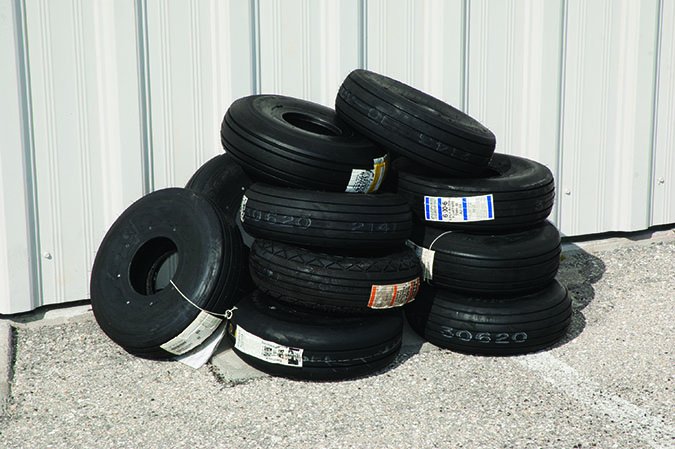
While generally round and black in color, thats almost all the characteristics aircraft tires have in common with their automotive siblings. In fact, a major difference is the construction and materials used in their manufacture. Aircraft tires and tubes primarily incorporate natural rubber while automotive tires use synthetic compounds extensively. Aircraft tires are designed for a very specific job and are part of the landing gear system on almost every aircraft.

Read More »
Pilot in aircraft
Sign-up for newsletters & special offers!

Get the latest stories & special offers delivered directly to your inbox.

SUBSCRIBE