











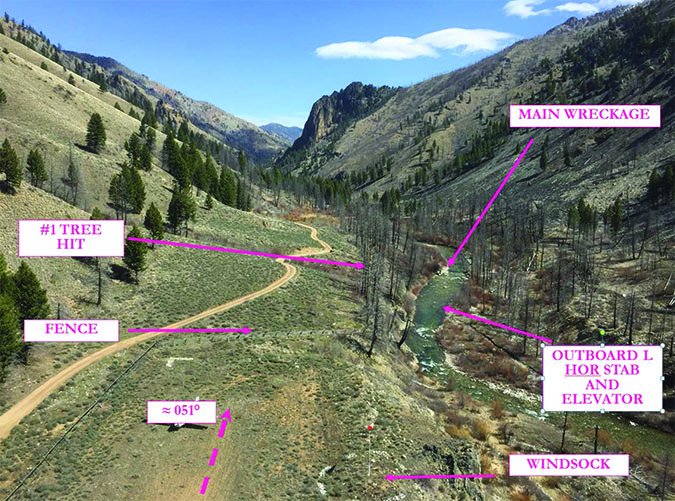


Most of us fly from nice, long, level and wide paved runways with minimal obstructions. Whether for fun, variety or vocation, others of us use less-developed runways and airports, most notably back-country airstrips. All of us know that whenever we’re off the beaten path—a term holding different meanings for different people—the risk of whatever flight operations we engage in goes up. While I’ve done my share of off-pavement operations, most of them were to or from well-maintained grass runways with clear approach and departure paths, or from sometimes-remote lakes using a seaplane. So I’m a little familiar with the “roll your own” style of flight operations in which many pilots engage.
One of the things I’ve noticed from watching other pilots experienced in such operations is the routine with which they approach what, for me, are non-routine things. I understand I’m a spoiled flatlander, but operations in high density altitude conditions to and from locations I normally would reject for an emergency landing seem to leave little margin for error, at least the kind of margin with which I’m accustomed. So I’ve always have great respect for back-country pilots, the airplanes they fly and the challenging locations they turn into a routine.

