Learning Experiences

ELTs

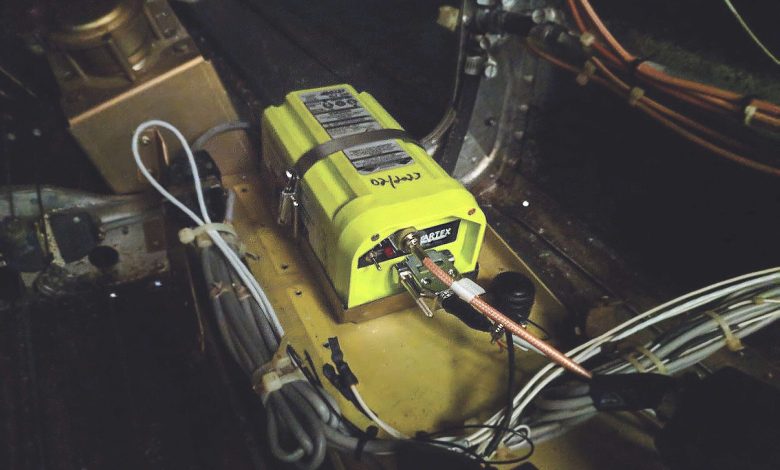
Those first ELTs, produced under FAA technical standard order (TSO) C91, failed to activate in a crash more than 75 percent of the time. When they did activate, according to AOPA, 97 percent of the time it was a false alarm. By 1985, when the FAA revised the standards and came up with TSO-C91a, a lot of the bugs had been worked out, but the ELTs troubled history painted it with a mostly deserved reputation for unreliability. Those earlier devices still meet the FAAs requirement to carry an ELT (see the sidebar on the bottom of the opposite page), but it perhaps is time they were retired in favor of newer technology.

Read More »

Air In The Tanks

I was flying my Cessna T210R Turbo Centurion from the Westchester County Airport (KHPN) in White Plains, N.Y., to the Dekalb-Peachtree Airport (KPDK) in Atlanta, Ga., on a dark night. I departed KHPN IFR but encountered unlimited visibility over North Carolina and cancelled. Before takeoff, I observed line personnel fill both fuel tanks. I had planned to have an hours fuel reserve on landing at PDK, and there hadnt been any unforecast headwinds. However, as I passed over Greenville, S.C., at 12,500 feet, both fuel gauges showed the tanks nearly empty.

Read More »

Pattern Entry Guidance

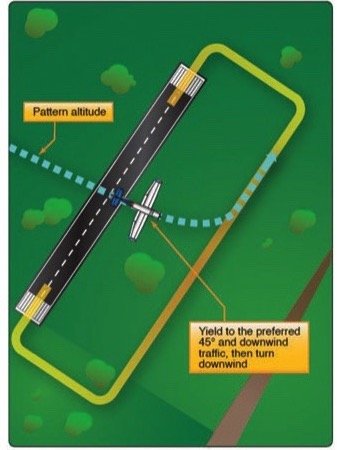
The right-hand diagram on page 32 (July 2018) depicting an alternate midfield entry when approaching from the side opposite the traffic pattern was (and I believe still is) the standard approach taught across Canada when I began flying over 50 years ago. When approaching from the same side of the traffic pattern, we were taught to enter downwind parallel to, slightly wider and slightly further upwind than usual, rather than the 45-degree entry in the U.S. The preferred entry (left-hand diagram) involves a short period where you are blind to everything that may be happening in the pattern and thus may pose unnecessary risk.

Read More »

IMC Emergencies

We were in IMC at 4000 feet, on a vector for the VOR-A approach at the Wichita, Kan., Colonel James Jabara Airport. The airplane was an A36 Bonanza and I was in the instructors seat on the last approach of a day-long training session. This was in the era before GPS, long before iPads and moving-map handhelds, and the owner of this then-well-equipped 36 had ignored the short-lived Loran phase. So we were eastbound on a long downwind, and crabbing into a northerly wind before intercepting the westbound final approach course before circling to Jabaras north/south runway.

Read More »

Beyond Flaps

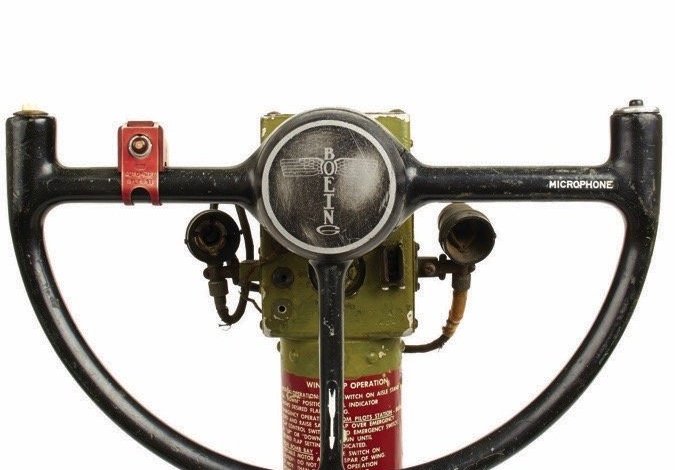
Boeings 727 has always been one of my all-time favorite airplanes. Ive never flown in one as anything other than self-loading freight, but Im old enough to remember when the 727 (and the DC-9) brought jet comfort and performance to smaller, outlying airports where the eras long-haul mainstays-707s and DC-8s-couldnt operate. These days, of course, economics-fuel burn, plus the need to pay three pilots-and noise regulations have relegated the venerable three-holer to tramp-freighter status or the scrapyard.

Read More »

Its Your Job To Check

Theres an opinion among some pilots and mechanics that inspections and scheduled maintenance can do more harm than good. By constantly disassembling and reassembling an aircraft to inspect it, they argue, were prematurely wearing out the aircraft and actually making it less safe. Those same pilots and mechanics note that this is largely true, in their opinion, for aircraft that arent flown very much. For more active aircraft, however, they acknowledge that regular inspections and maintenance are less intrusive and, in fact, beneficial.

Read More »

Pothole

The landing was normal, and I took a close look at the left landing gear after shutting down but couldnt find anything amiss. The tire and wheel looked good, and there was no hydraulic fluid seeping from the strut. The brake was secure and had tested fine on the landing, and when taxiing in. There was no damage to the wing, the landing gear door or any other part of the airplane. Not finding anything wrong with the airplane I forgot about it, wondering if I had imagined it. Ultimately, I figured Id hit a dog with the landing gear and, sadly, someone had lost their pet.

Read More »

Bad Yokes

During a scheduled inspection, technicians encountered corroded and bent control yoke boss attachment hardware that proved difficult to remove. After consulting with the manufacturer, the final recommendation was to remove the boss via cutting the bolts (p/n 2315152-33). Manufacturer was able to repair the yoke assembly using SB 31-27-11 and kit 2381602-801. Aircraft had been parked outside without gust locks.

Read More »

FAA Urges Best Practices For Turbocharger Exhaust

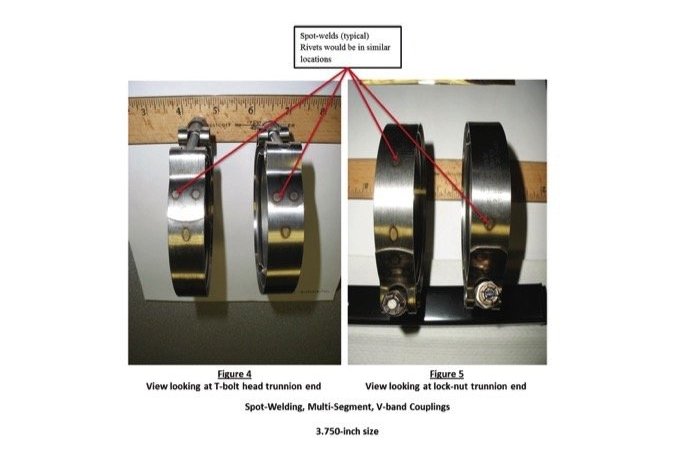
As part of its charter to help minimize GA accidents, the General Aviation Joint Steering Committee (GAJSC; see the article beginning on page 4 for background) earlier this year published a Best Practices Guide designed to ensure airplanes equipped with turbocharged reciprocating engines fitted with turbocharger to tailpipe V-band coupling/clamps, remain in their original type design configuration. It will also help to effectively manage the risk associated with the use of V-band coupling/clamps in this application.

Read More »

Losing Control Is Easy

It was a warm, blustery late-spring day in Texas. Visibility was restricted by the haze, and the afternoons updrafts were in full bloom. The whole package made the air hot, bumpy and thick. I had a multi-engine checkride scheduled in a few days, so my instructor and I were aloft in the Piper Seneca I that Id been using and were up to no good, trying to buff out the rough spots. This was for a commercial multi-engine checkride and emphasized instrument work.

Read More »
Pilot in aircraft
Sign-up for newsletters & special offers!

Get the latest stories & special offers delivered directly to your inbox.

SUBSCRIBE