











Learning Experiences
NTSB Reports
According to the pilot, he was delayed about 10 minutes by traffic before completing the engine run-up and takeoff roll with no anomalies noted. After the pilot lifted off and retracted the landing gear, the engine stopped producing power about 300 feet above the runway. There was no time to perform remedial actions to restore power, so the pilot lowered the landing gear and touched down on the remaining runway. The airplane went off the departure end of the runway, down an embankment and across a road before coming to rest upright 384 feet beyond the runways departure end in low brush.
Shortly After Takeoff
My background as a crewmember aboard military aircraft gave me a strong appreciation for practicing emergencies. Thirty-two years after earning my private certificate, I had my first one. The early September evening started out like most other cross-country flights my wife and I had taken in the 18 months since we bought our Piper Archer II. Our plan was take off around 1600 local, get a good nights sleep at our destination, then I was to take my instrument-rating checkride the next morning.
Know Before You Go
UDRI’s test was conducted “at a higher speed than the combined maximum speed of the drone and airplane
Whos In Charge?
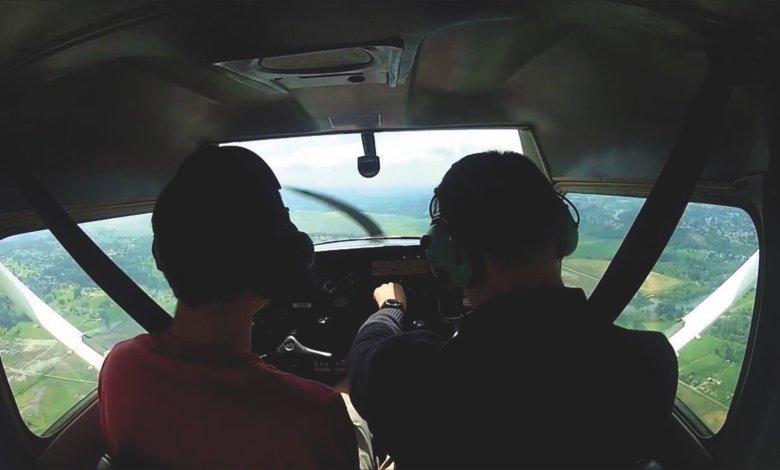
I started my lessons (at 50 years old!) at an airport called Howell-New Lenox in Illinois. On my first solo, I had to go around due to a back taxi by another student with his instructor (my first exposure to being PIC in a two-pilot operation. But I was cool; I also learned that I was pretty calm in an abnormal situation-when Im alone.

NTSB Reports
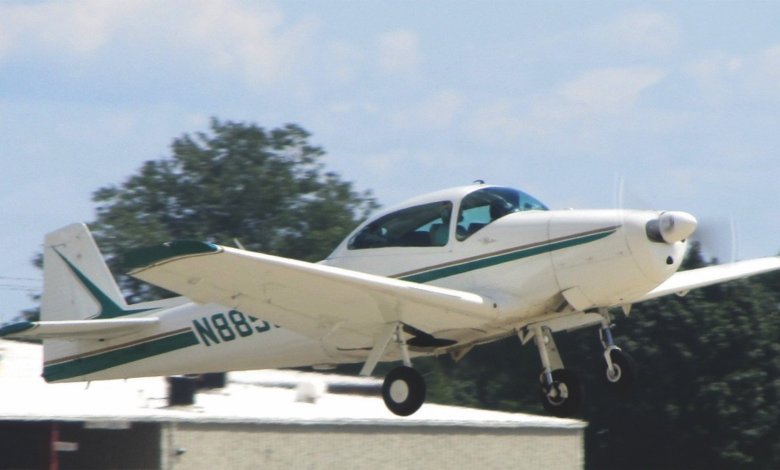
A witness observed the airplane make a normal landing aligned with the runway centerline. His attention was momentarily diverted and when he looked back, the airplane was established in a gradual left turn, maneuvering at a slow speed in a three-point attitude. The airplane then collided with the airport perimeter fence and came to rest about 600 feet past the touchdown point. The pilot stated that, despite application of brakes and right rudder, the airplane veered off the runway. Damage included the right wing strut.
Fixations
A pilot-buddy and I were flying two airplanes to the runway at Cape Hatteras, N.C., to spend the day on the beach. Both my rented Cessna 172 and his recently purchased Piper Warrior were loaded with people and gear for the trip, and we both had departed with restricted fuel. Wed hooked up en route at a prearranged time, location and altitude, and were chatting back and forth on the air-to-air frequency. Plan A was to stop in Elizabeth City, N.C., and take on enough fuel for each of us to get back to our respective bases that evening without stopping.
Full Frontal
As I gained more experience, including an instrument rating, my weather understanding never really progressed beyond those big three hazards, plus airframe icing as I logged more IMC. It was more a matter of convincing myself I didnt need that additional knowledge-Id already made up my mind that I wasnt going to fly in those conditions-than an outright refusal to learn more. On one of my first forays into IMC as the pilot in command, I learned a hard lesson on cold fronts.
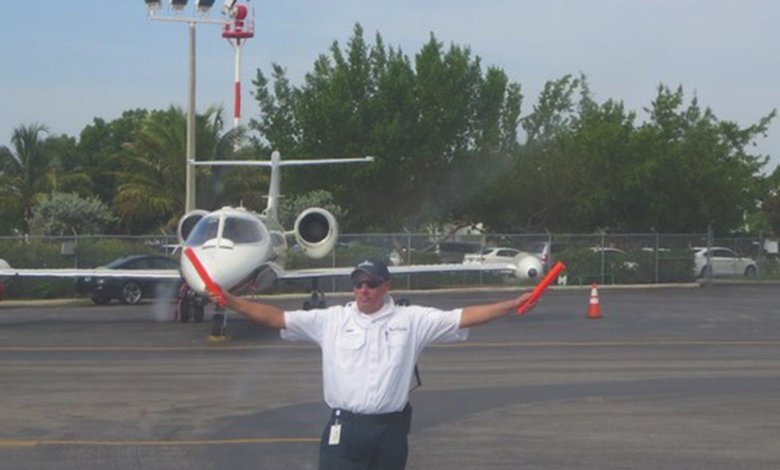
Two Guys In A Learjet
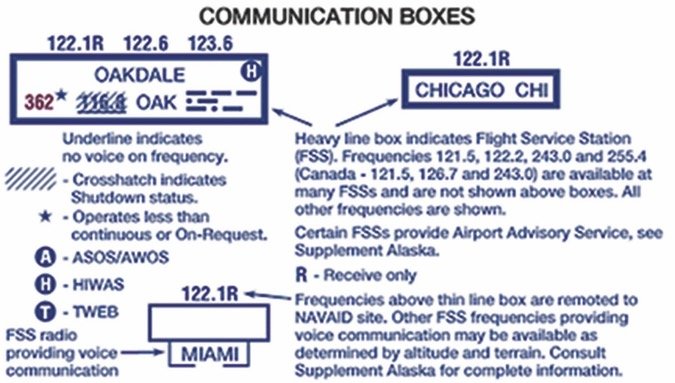
After the usual say again your callsign back and forth, the controller determined there was no flight plan on file. A new voice from the Learjet, probably the captain, asked if he could air-file over the ATC frequency. The controller instead suggested the Lear could file its flight plan over the radio by talking to Flight Service. This is when it got interesting: The Learjet then asked for the Flight Service frequency and a clearance to 17,500 feet. It got even more interesting when ATC suggested calling Flight Service on 122.1 MHz. All of a sudden, here were three blatant examples of poor airmanship and incomplete knowledge.
Undoing An Upset
Lets start by dispensing with the obvious: Loss of control in flight is a lousy explanation, and not much better as a description. Eventually well come up with something better, which hopefully will reflect the myriad ways pilots can let aircraft get away from them. Spatial disorientation in IMC is as different from a moose stall as wake turbulence is from sloppily flown S-turns on final. At best, the ICAOs accident taxonomy-adopted by the FAA and NTSB, presumably in the name of harmonization-provides snapshots of how accident sequences end with negligible insight into what triggered them or how they developed. As a safety strategy, Dont lose control is about as useful as Dont let the engine quit.
