Instrument Flying

Looking For Anything Special?

Breaking out of an approach can be a high-workload situation, in which were dividing our attention between flying the airplane and looking for the runway environment. At that point, FAR 91.175(c) tells us there are three requirements we need to meet before descending below the DA/DH or MDA:

Read More »

Abort-Analysis Checklist

Its up to the airplane to demonstrate to us its capable of performing on takeoff. And its up to us to ensure its doing what its supposed to do and, if not, to abort the takeoff and live to fly another time. At most of the airports from which we fly, even a runway overrun, like the one pictured above, results in no or minimal damage.

Read More »

Killer Factors On Instrument Takeoffs

An instrument takeoff is just like any other takeoff, except when it isnt. The self-imposed pressures of a clearance void time, a distant appointment or passenger expectations can mean well ignore or minimize the importance of ensuring the airplane is ready, even when we need to the most. Some common problems are discussed below.

Read More »

Stoppage

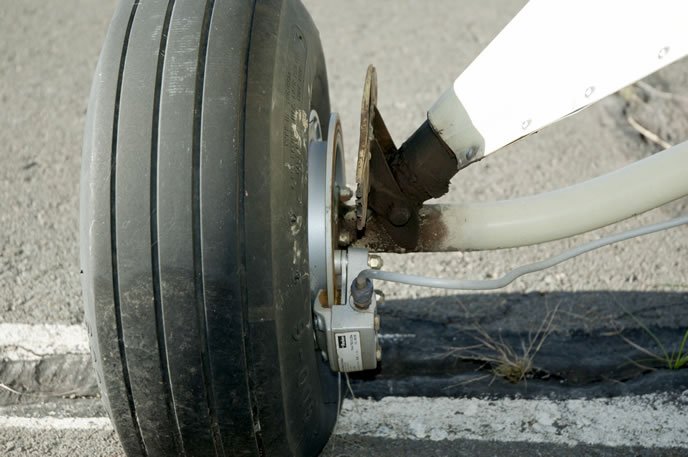
Lets face it: the brakes on typical general aviation airplanes pretty much suck. Thats what happens when you try to stop 2000-plus pounds of airplane at 70 knots with only two six-inch disc brakes that havent been serviced lately. Its going to take longer and be a bit more exciting than with the SUV parked in your hangar.

Read More »

Is Busting a Void Time A BIG Deal?

A typical IFR clearance from a non-towered airport will usually go something like this: N12345 is cleared to Podunk Airport via runway heading to 2000 then as filed. Climb and maintain 5000; expect 10,000 one-zero minutes after departure. Contact center on 123.45; squawk 1234. Time now:1620. Clearance void if not off by 1630. If not off by 1630, advise intentions by 1640. Youre released. That gives you 10 minutes to get airborne. Is that enough? What does off mean? What if it takes you 12 minutes to take off after being released? What will ATC do?

Read More »

Timed-Out Takeoffs

Ive not found any published data on the subject, but after years or reading accident reports Ive formed the opinion that pilots making takeoffs that will be followed by a flight on an IFR flight plan may unconsciously add a little more I gotta go come hell or high water attitude than their normal, Type A, mission-completion orientation to the decision-making process.

Read More »

Im Special. May I Come In?

In the scenario described at the top of this article, were trying to get back to home plate in 800 overcast and two miles, somewhere in the U.S. Its a good idea to get an IFR clearance to deal with that low of a ceiling. But what if the ceiling was 5000 overcast, or unlimited, with the same two miles of visibility? Youd still need a clearance to get home, but it doesnt have to be an IFR.

Read More »

No Charts? No Problem…

The ease with which we can carry current charts in an EFB app means theres usually no good reason we dont have approach plates aboard. But stuff can happen. Youll need a little more help from ATC.

Read More »

IFR On The Fly

Sometimes you just get set up. You got up early, looked out the window at a nearly clear sky and figured youd fly the 80 miles or so to visit a buddy and hang out at his airport instead of yours. You whipped out your tablet for a full briefing and to make sure there were no TFRs. The forecast advertised nothing below 5000 broken and four miles viz all day, so you headed for the airport, did the preflight and motored off over the horizon.

Read More »

Real-World Alternates

One of the concerns many pilots express about doing their flight planning on a tablet computer is that they dont spend time with a chart and a plotter looking over a route. They end up starting a flight with less situational awareness about airports where they can bail out if something goes wrong en route. That, combined with what can become a rote fixation on selecting an IFR alternate based only on the regs regarding weather at the destination, is an invitation to poor decision-making when a little smoke in the cockpit means shutting off the electrical system a third of the way into the flight, or the engine starts running rough on initial climb from an airport thats below approach minimums.One way out of these dilemmas is to keep in mind the FARs are, by law, nothing more than minimum standards-and only looking at an alternate airport for the destination on an IFR flight of 500 miles might not be doing ourselves any favors. We always need an ace in the hole, and it doesnt have to be the one we tell the FAA about on the flight plan.


Read More »
Pilot in aircraft
Sign-up for newsletters & special offers!

Get the latest stories & special offers delivered directly to your inbox.

SUBSCRIBE