Instrument Flying

To File, Or Not To File

At the beginning of the first leg, one of my pilot-rated passengers expressed surprise that I went to the trouble to plan and file IFR, especially because the weather was so good. But by the end of the day, he seemed convinced I made the right decision to file IFR, not because the weather caved but because it simplified dealing with relatively complex airspace and lots of VFR traffic.
Read More »

Local Knowledge

If youve ever wanted to see something you wrote appear in an aviation magazine with your name, heres your chance. Each month, this space is devoted to giving readers the opportunity to share with other pilots something theyve learned about flying aircraft. Well always assure anonymity if you want it, but well be happy to put your name on it, also.

Read More »

Airmanship: Legal VS. Safe

I hope it wont come as a shock to learn magazine editors dont always practice what they preach. Kind of like fat-cat politicians urging austerity for the proletariat, we arent always as prolific in our flying as we may seem, or as we encourage others. In fact, over the last couple of years, competing and conflicting priorities conspired to keep me and my airplane on the ground much more than was good for either of us.

Read More »

Minimum Equipment

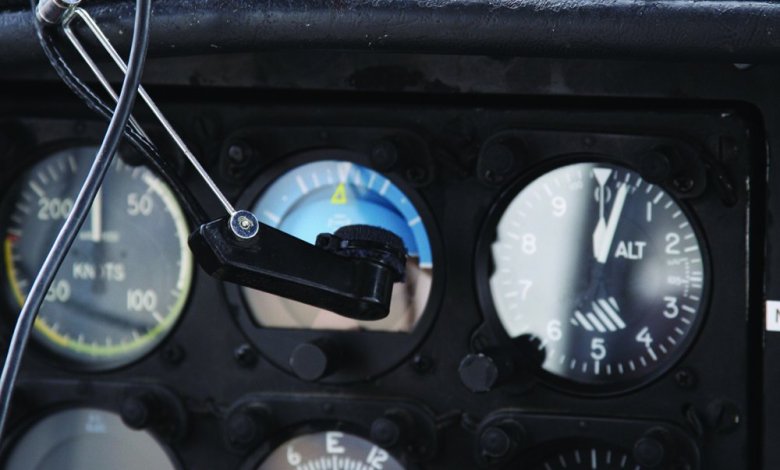
Until the 1990s, when backup options became widely available for personal aircraft, a vacuum system failure in instrument conditions was an extreme emergency. These days it still is, but electric backup instruments are relatively inexpensive and easy to install.

Read More »

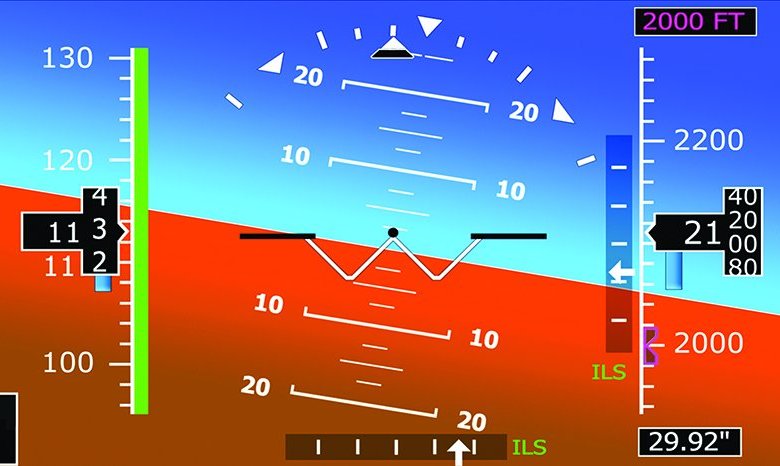
Glideslope Gouges

A gouge really is nothing more than a clever saying-east is least, west is best-or a rule intended to remind us of something we already know. One thing about memory gouges is theres virtually no end to them. Another thing, ironically, is we tend to forget them. With that in mind, heres a quick refresher on a gouge designed to help us fly a glideslope.

Read More »

5 Reasons To Fire Your CFI-I

When its time for the instrument rating-the thinking rating-the instructors obligation ratchets up a few notches. An instrument-rated pilot is potentially going to be flying in high-risk environments-night IMC, ice, thunderstorms, approaches to a mere 200 feet above the unforgiving ground-with high workloads and in complex airspace. The instrument instructor must take a VFR pilot-who may have a casual attitude about checklists, systems, weather and risk analysis-and teach some respect for those subjects. He or she must impart the knowledge and skill needed to stay upright in awful weather, plus develop the savvy needed to think so far ahead of the airplane that the pilot is ready for whatever nature, ATC or system failures deal out.

Read More »

What To Look For In Instrument Training

If you’re on a path to becoming a career pilot, you’re also probably enrolled in a program offering instrument training. You’ll do it their way if you want to graduate. The rest of us face many more variables, and how we respond to them can impact every aspect of how and whether we earn the […]

Read More »

Which IFR Emergencies Should We Practice?

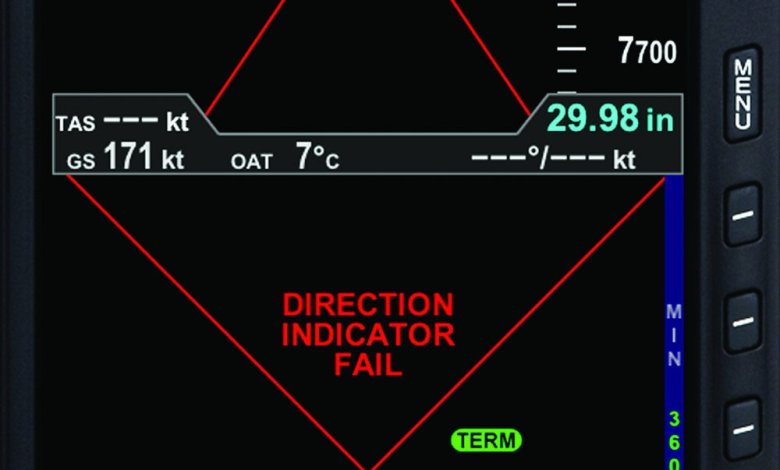
By the time someone is sent for the instrument check ride, he or she is expected to know the emergency procedures in the appropriate POH as well as how to deal with failures affecting the airplanes ability to fly in IMC. A cross-section of the bad news stuff is discussed during the oral portion of the practical test and demonstrated in flight. But whats a little frightening is that the IFR check ride often marks the high point of an instrument pilots ability to deal with an emergency.

Read More »

Facing Lake Effect Conditions

The potential for in-flight icing during an IFR flight-regardless of whether the airplane is approved for flight into known icing or not-means doing serious plotting and scheming prior to departure, and throughout the flight. As has been demonstrated for years, structural icing does bad things to airframes. Best to presume every cloud will contain ice, and plan accordingly.To illustrate our point, well look at a hypothetical flight from the Lima (Ohio) Allen County Airport (KAOH) to the Wexford County Airport in Cadillac, Mich. (KCAD). (Were going to KCAD because the FBO rents airplanes on skis and we purely love skiplane flying.) To get there, well be flying a Cessna 177B Cardinal, a stable instrument platform with satisfactory climb and cruise performance, but lacking turbocharging or real ice protection.

Read More »
Pilot in aircraft
Sign-up for newsletters & special offers!

Get the latest stories & special offers delivered directly to your inbox.

SUBSCRIBE