Another Look

#OSH19

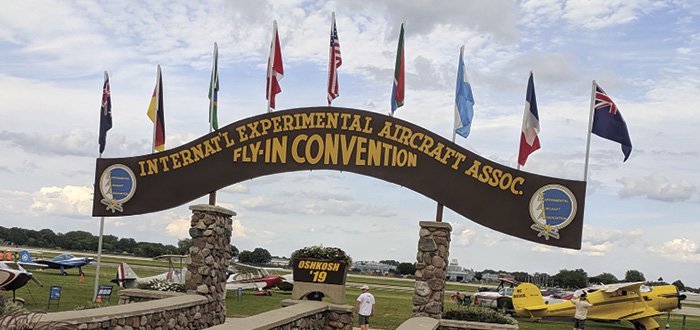
Once again, the Experimental Aircraft Association in July pulled off another great AirVenture fly-in at its home in Oshkosh, Wis. This years event had a little of everything, including torrential rain the Friday evening before Mondays opening day, nighttime air shows and lots of airplanes of every shape, size and purpose. Perhaps because the pre-show rain knocked everyone off-kilter-followed by mid-week heat-the overall event seemed to need more cowbell, but it definitely was worthwhile checking out all the new stuff and checking in with long-time friends.

Read More »

More Cockpit Stress

In the May 2019 issue, I couldnt help but note the connection between Key Dismukes article Stress in the Cockpit and Mr. Burnsides observations in Cockpit Communication. When there is poor communication in the cockpit, stress levels are going to rise. It doesn’t matter if the communication shortfall takes place in the air or on the ground. Two of the four categories of errors made by airline crews that were pointed out by Dr. Dismukes were inadequate comprehension, interpretation, or assessment of a situation, and inadequate communication. These categories are faithful descriptions of the failure to explicitly define and communicate expectations that your friend experienced with his flight instructor.

Read More »

Ill Be Missing You

We all know how to fly a missed approach. We probably did a handful of them on our instrument checkrides, and when were out practicing approaches, even in a sim, we most often go missed. We may not be flying a full missed approach procedure as published, but we still have to reconfigure the airplane and climb away. When were practicing, we know how the approach will terminate: by going around at the missed approach point. Its what we expect when practicing.

Read More »

IFR Route Changes

Sitting around and talking with pilot friends, you hear nonstop talk about aircraft and equipment. Eventually, someone always brings up ATC in conversation. Pilots argue among themselves more intensely than Socrates debating Plato. One question that new and even veteran pilots bring up is why, when they file an IFR flight plan, that their clearance is usually never as filed but includes a route change of some sort.

Read More »

Power And Pitch

If youre like me, youve been watching the ongoing saga of Boeing and its 737 MAX. The gist of it for our purposes is that the new MAX versions of the 737 are powered by larger-diameter engines than the type was originally designed to accommodate. Since the 1980s-when Boeing switched from the types original low-bypass Pratt & Whitney JT8D engines to the CFM International CFM56-the reduced ground clearance when mounting high-bypass powerplants featuring improved fuel economy has required flattening the bottom of the cowlings. It was cheaper and easier than redesigning the landing gear, which is too short to accommodate the larger engines.

Read More »

Diesel Additive Again Contaminates Jet Fuel

After noting that five incidents of aircraft uncommanded roll events with the ATLAS activated have been reported to EASA and the FAA, the U.S. agency on May 24 issued an airworthiness directive (AD) grounding Cessna CitationJet 525, 525A and 525B models equipped with Tamarack active load alleviation system (ATLAS) winglets. The action is related to an EASA AD and is mandatory continuing airworthiness information (MCAI) issued by the aviation authority of another country to identify and correct an unsafe condition on an aviation product.

Read More »

NTSB Reports

After a low pass over the field, the pilot returned to land. On final approach, he was blinded by [the] sun and the tailwheel hit vines growing near the airstrip, causing the airplane to stall. The left wing, left main landing gear and propeller were damaged during the hard landing. According to the NTSB, [b]ecause the pilot did not hold a current pilot certificate, nor did he meet the medical certification requirements, he was not legally authorized to act as pilot-in-command of the airplane at the time of the accident.

Read More »

Air Filters

Receiving inspection of new air filters (p/n P107336) revealed three out of four had a defective sealing surface, causing the sealing/mating surface to crack and crumble. This defective sealing surface could potentially enter the engine. The defective filters sealing surface has a light-gray color while the replacement filters we received, inspected and found to be in serviceable condition had a dark gray, almost black sealing surface. Suspect that the defective filters had improper material on the sealing surface or were improperly cured.

Read More »

Flying On The Ground

Your primary training probably included a diagram explaining where the elevator and aileron controls should be positioned based on where the wind is coming from while taxiing. When we have such wind conditions-and even when we dont, if we want to be honest- we can and should use the ailerons to help control the airplane on the ground. Alas, we dont always have that diagram available, and its easy to forget whether the upwind wings aileron should be down or up. (Hint: It depends.) Lets try to come up with a one-size-fits-all understanding of when and how to use ailerons on the ground.

Read More »

Disoriented Scans

Fine article about bounced landings. Preventing them should be primary but when we do get a bounce, for some airplanes the recommendation is not to save the landing but just to go around. A number of years ago, there was a series of fatal Cirrus bounced landing accidents. Im not sure if there were official findings that gave common cause, but one theory was that the fixed landing gear acted like a pogo stick and was unforgiving of too much energy on touchdown. The finesse that you describe to salvage this type of bounce was not easily done by some pilots.

Read More »
Pilot in aircraft
Sign-up for newsletters & special offers!

Get the latest stories & special offers delivered directly to your inbox.

SUBSCRIBE