Airmanship

Aviation Safety 2016 Editorial Index

Catastrophic FailureAugustClassic CFITMayCloak Of InvincibilityDecemberFifteen MilesJuneMinimum EquipmentMarchMissing Flight PlanOctoberMostly MundaneJanuaryRunning The ScudAprilSpin Recovery FailureSeptemberThe Impossible TurnFebruaryToo Much Automation?NovemberUnsecured CargoJuly

Read More »

For Whom The Toll Bills

The existing excise taxes on aviation fuels work just fine. They account for system use more efficiently than a toll/user fee arrangement, they dont require a new, unaccountable bureaucracy and theres no separate bill I have to pay. (We all pay similar taxes on fuels we put in our vehicles, too, which used to cover roadways, bridges and tunnels now laden with tolls, but I digress.)

Read More »

Where The Drones Are II

Octobers article, Where the Drones Are, has no place in Aviation Safety. The very tone of it offends my safety senses honed over 59 years of private, commercial and military flying. Think about where they are. Then dont go there. Silly. The entire article belongs in a Drones Today magazine.

Read More »

When The Earth Moves

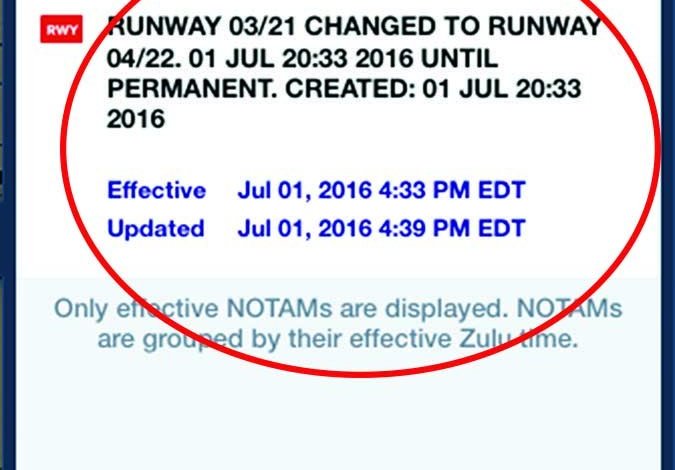
Everyone aboard the Beech Model 17 Staggerwing in which I was a passenger had been to the Driggs, Idaho, airport (KDIJ) dozens of times, perhaps even hundreds. Driggs Reed Memorial Airport is one of the more scenic airports in the country, much less Idaho. But as we approached, we could tell something was amiss. The pattern was busier than usual, and we heard a call for Runway 22. All three of us knew with confidence that Driggs single runway is laid out 03-21, but a second and third plane called in approaching the same, seemingly wrong runway.

Read More »

Impaired Flying Targeted

According to the FAA and its Civil Aerospace Medical Institute, CAMI, between six and 14 percent of pilot fatalities are related to alcohol intoxication. While that seems like a very high number of pilots in our experience-and a wide, inexact statistical range-the agency said it reached its conclusion by analyzing deceased pilots blood and tissue samples after accidents.

Read More »

Leaking Fuel Line

Once I started the engine and made it to the runup area, the Dynon D-180 registered about 10 gallons in the selected right tank (I have a Lycoming O-235-L2C engine installed and typically I burn about 5-6 gallons an hour). I thought it was peculiar, but I attributed the loss of five gallons to starting, taxi and runup. I took off and headed the 30 miles to my practice area.

Read More »

When The Juice Drys Up

On the first occasion, I was on an IFR flight plan departing into an 800-foot ceiling on my way to a destination reporting clear skies. At some point, I would clear the fog layer covering the inversion and find those clear skies, I just didnt know exactly where the layer would burn off. On departure I passed through the 500-foot-thick layer and was soon in VMC on top. Tops were at roughly 6500 feet and I was cruising along at 8500 with nothing but blue skies above me and a flat layer of white tops 2000 feet below.

Read More »

NTSB Reports: September 2016

At about 0900 Eastern time, the airplane was substantially damaged upon impacting an aircraft hangar following a total loss of engine power during a go-around. The flight instructor (CFI) and a student pilot received minor injuries. Visual conditions prevailed. The two had been practicing takeoffs and landings for about an hour when, on the downwind leg of the traffic pattern, the CFI directed the student to demonstrate a simulated engine failure. The airplane was about of the way down the runway when he initiated go-around. At this point, the engine sputtered and lost power. The CFI took over the flight controls and made a left turn at about 100 feet agl with the intent of flying over a hangar to a clear area beyond but realized they would not clear it. He placed the airplane in a 45-degree nose-up attitude so the engine penetrated the hangars metal door first.

Read More »

50 Years a Pilot

As I write this, Im looking at my Wright Brothers Master Pilot Award sitting near the window sill. Its the most prestigious award the FAA issues to pilots, according to the agency, and eligibility for it requires a minimum of 50 years to elapse since a pilots first solo flight. I originally dismissed this award as an overblown creation of the FAA or, worse, an old geezers award for longevity. I finally decided it would be a great bookend for a lifetime of flying, or a beginning of the next chapter. For those of you out there with 50 continuous years of flying without accident, incident or violation-or if you know someone who meets the minimum requirements-you can find details of the award and how to apply on the FAA website.

Read More »

Density Altitudes Trifecta

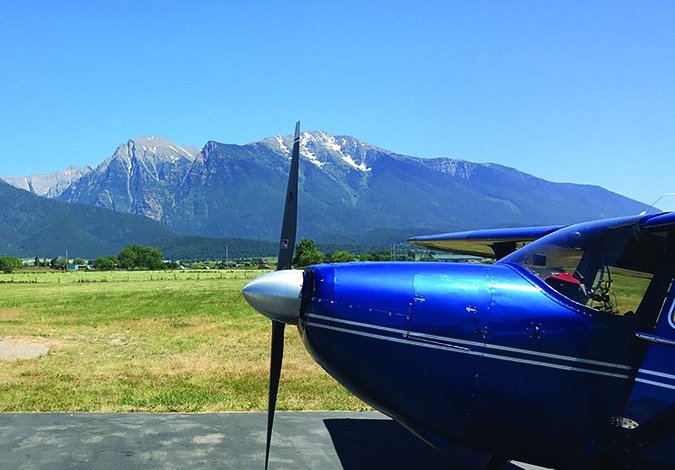
When considering landing on a runway with marginal length or a difficult or obstructed departure path, the first stage of aeronautical decision-making is deciding whether to land in the first place. The next one is if you land, can you make it out safely? Quite often there are good reasons to do neither, with perhaps the biggest single factor being density altitude, usually when trying to take off at the planned time. In case youre thinking density altitude (DA) is strictly something that concerns mountain-flying enthusiasts like me, you should know it is not a concept unique to the high country. High-altitude pilots just have a head start when it comes to familiarity with DA. Anyone whos flown in the summertime, including from sea-level airports, has experienced some form of DA.

Read More »
Pilot in aircraft
Sign-up for newsletters & special offers!

Get the latest stories & special offers delivered directly to your inbox.

SUBSCRIBE