Aircraft Analysis

IFR Route Changes

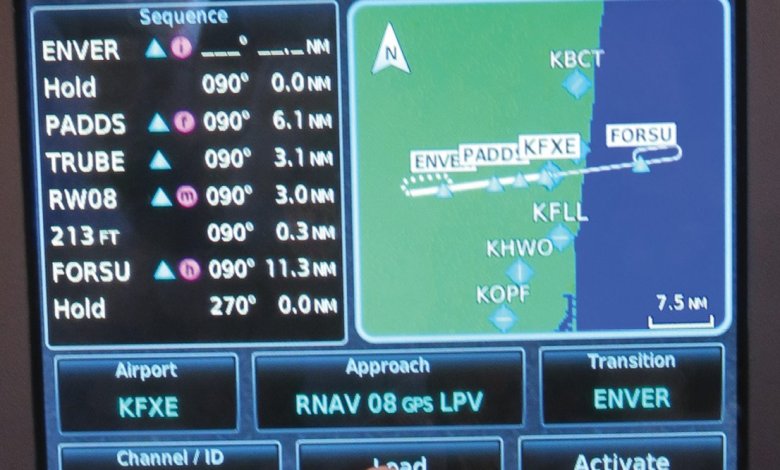
Sitting around and talking with pilot friends, you hear nonstop talk about aircraft and equipment. Eventually, someone always brings up ATC in conversation. Pilots argue among themselves more intensely than Socrates debating Plato. One question that new and even veteran pilots bring up is why, when they file an IFR flight plan, that their clearance is usually never as filed but includes a route change of some sort.
Read More »

Laters And Waiters

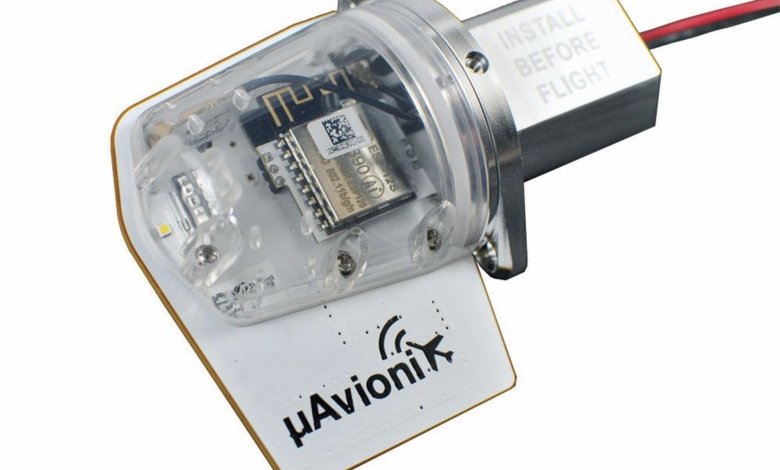
In the decade-plus since the coming ADS-B mandate became a thing for U.S. aviation, those whose operations will be affected have fallen mainly into two camps: early adopters and those who put it off as long as possible. In this binary world, I freely admit to being something of an early adopter. And despite some cool-and less expensive-new gear on the market, Im happy with my choice to equip with ADS-B in 2016. Its likely those who have taken a wait-and-see attitude also are happy.

Read More »

Rusty Pilots

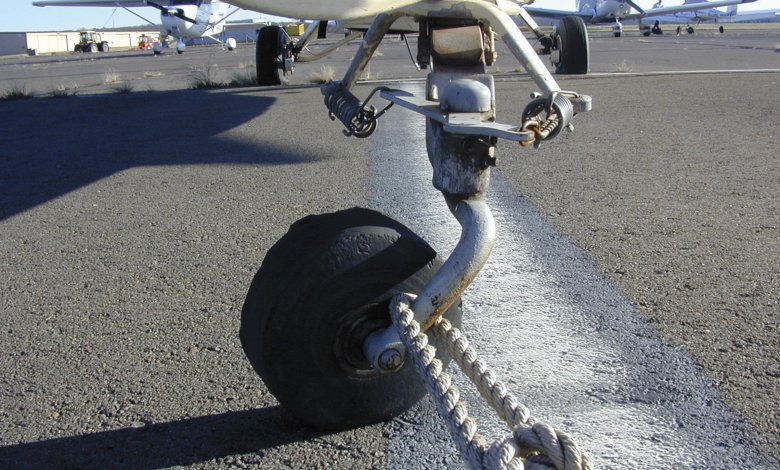
The weight of the engine is only significant in that it is part of the center of gravity of the aircraft, which naturally lies aft of the main gear in a taildragger. Therein lies the problem, especially while landing. That center of gravity, without interference, will travel in a straight line when in motion, according to Newtons First law, which is often called inertia. It is imperative that we keep the airplane (longitudinal axis) tracking and aligned with that same straight line.

Read More »

The Top Five Things To Get Right

Everything we do in life carries risk. An undesired outcome often is influenced by factors we cant control-someone running a stop sign, for example, or a perfectly good engine deciding to fail. But many other risks of a specific activity can be anticipated. Its why we wear a helmet when riding a bicycle, or earn our instrument rating if we regularly fly an airplane beyond the traffic pattern. Serving as a pilot in command offers many ways to increase our risks, but it also brings opportunities to mitigate them.

Read More »

Five Reasons Not To Fly A Coupled Approach

And like every other technology, autopilots have their limitations. For one, they have to be set up correctly-along with the navigation equipment-to reliably follow a heading and descend along a glidepath. Details like when to take over from the autopilot, how you might handle an equipment failure-if you notice it-and even whether to let Otto fly the missed approach or do it yourself need to be worked out ahead of time. Thats the short version of why we might want to consider hand-flying the approach. Lets expand on them.

Read More »

Your Flight Service User Guide

One way to deal with this torrent of poorly presented information is to call Flight Service, ask for an abbreviated briefing and query the briefer about Notams for your proposed flight, and especially if theres any new FDC Notam affecting the airspace or procedures you anticipate. Listen to the briefer; there might be some nuggets you didnt know about. And at least youll be on the record when FAAs enforcement apparatus asks you about a TFR bust. -J.B.

Read More »

Buddy System

Normally, I might have panicked, but with my experienced copilot at my side, I stayed calm. We talked through our options and decisions along as I continued to fly the plane. I began a series of small adjustments to the throttle and mixture to see how the engine responded. We quickly discovered these changes only made matters worse, so we left the settings as is. My buddy reminded me to stay high-altitude is our friend-and we looked for landing spots in case things deteriorated.

Read More »

Air Filters

Receiving inspection of new air filters (p/n P107336) revealed three out of four had a defective sealing surface, causing the sealing/mating surface to crack and crumble. This defective sealing surface could potentially enter the engine. The defective filters sealing surface has a light-gray color while the replacement filters we received, inspected and found to be in serviceable condition had a dark gray, almost black sealing surface. Suspect that the defective filters had improper material on the sealing surface or were improperly cured.

Read More »

Flying Your Propeller

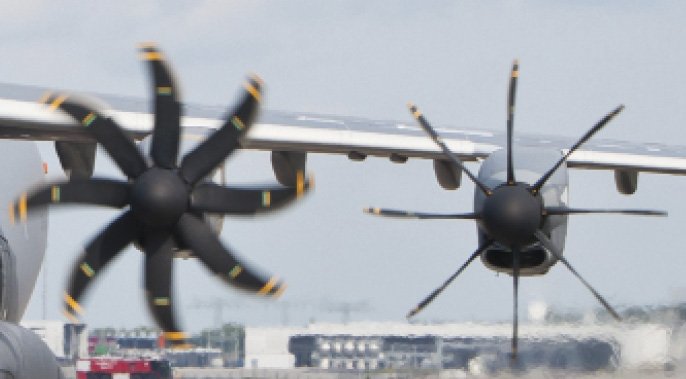
Remember that propeller blades are airfoils moving in a plane different from and usually perpendicular to the direction of flight. As an airfoil, the amount of lift the blade creates when moving through the air depends on its angle of attack, and its angle of attack-plus drag-can depend on a variety of factors, including the airplanes pitch attitude. Remember, too, that the outer portions of long prop blades move faster-they cover greater distance in the same amount of time-than shorter ones.

Read More »

Runway Incursions

There once was a time when piston singles were more prevalent at the Washington Dulles International Airport than they are today, and one evening I was in one of them, coming or going, on the ground control frequency. Another light airplane called for taxi clearance and, based on its position, was routed to a departure runway as far away as humanly possible from its parking spot. The pilot responded, Uh, ground, that looks kind of far; do you mind if we just fly over there?

Read More »
Pilot in aircraft
Sign-up for newsletters & special offers!

Get the latest stories & special offers delivered directly to your inbox.

SUBSCRIBE