Aircraft Analysis

Just Trying To Help

We all know the hazardous attitudes the FAA wants us to understand. Concepts like anti-authority, impulsivity and invincibility have no real place in the cockpit. Now, Im going to add one more: the desire to be helpful, or the motivation to please others. One of my big motivations in life is to be helpful to others. I enjoy writing for this magazine, for example, because it is helpful to other pilots. I also get great pleasure in being a solution to other peoples problems.

Read More »

Entry-Level Travel

The problem with an airplane like that is you cant really use it for travel, said a pilot looking out the FBO window at a Cherokee 140 sitting on the ramp. That pilot was saying that an entry-level airplane-think two or four seats, fixed gear and no more than 160 hp-cant go places. Show me where it says that. Its hard to imagine Charles Lindbergh shrugging off the Ryan NYP because it barely made 110…

Read More »

Fuel Follies

Youre alone in your Lancair Evolution single-engine turboprop. You have just refueled at Chicagos Midway Airport and are headed to Denver, which your computer says is 788 nm away. The weather is good. The flight planning youve accomplished says it will take 3+15 and 121 gallons of the 170 available with the tanks filled. On startup, you reset your fuel totalizer to 170 gallons.

Read More »

Gadget Addiction

I chuckled reading Mike Hart’s comments on reverting from his in-cockpit gadgets to paper (Addicted To Gadgets? June 2017). I fly my Cirrus with a Garmin Perspective, but just attained my commercial license using a 1967 Piper Arrow II, since I needed a retractable-gear airplane. These good friends keep their planes in top shape, but it was a similar experience to Mike’s 135 challenge. The club has three retracts and I would move between each one until I decided which one to test in. Between the Arrow IV, 172RG and the Arrow II, I finally decided on the II.

Read More »

Two Levers Over

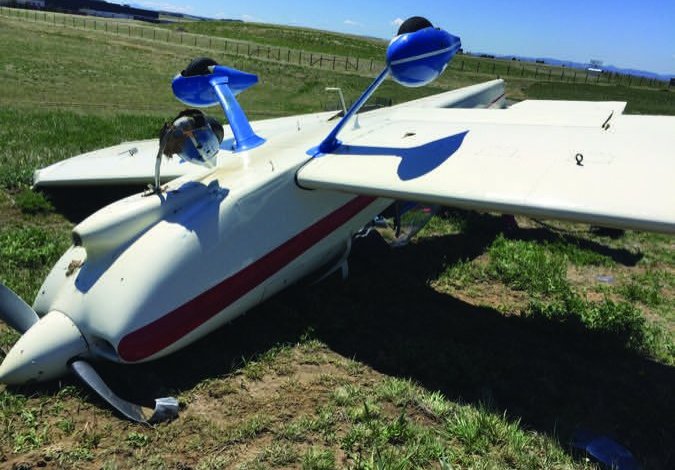
Hanging upside down in a three-point harness certainly gives you a new perspective on flying. Especially if you are on the ground, in the grass, beside the runway. My first thought was unprintable, but my second thought was, How did that just happen?

Read More »

Smooth Transitions

At some point in your flying career, you likely graduated from your trainer to flying different aircraft. Maybe you gained access to a fleet of aircraft through a club or flight school, an FBO or a Part 135 charter company. Or you moved to light sport aircraft, a plane you built or a plane you bought. Perhaps you stepped up quickly to higher-performance aircraft, those with more horsepower that can swing gear or have two engines.

Read More »

Maintenance Safety

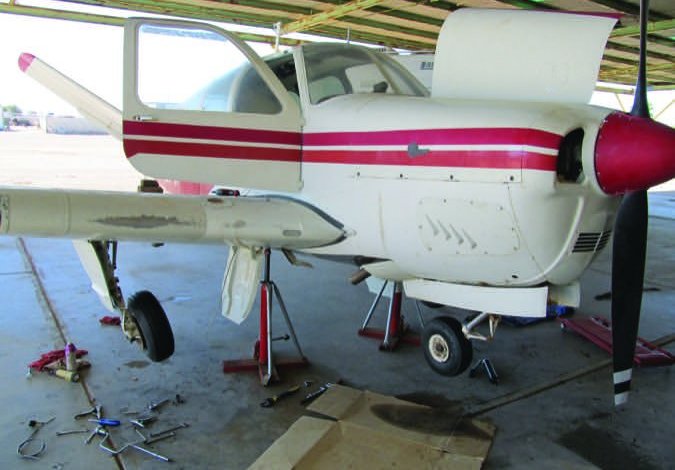
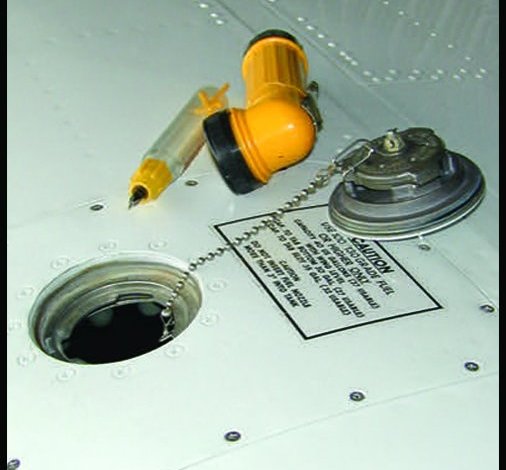
Many of us recognize one of the ingredients to making our flying less risky and safer is good maintenance. At the same time, sometimes we give little thought to ways to make aircraft maintenance itself less risky and safer. The fact is the typical private-pilot-or-better performing preventive maintenance under FAR 43, Annex A doesnt pay enough attention to safety while working on aircraft. Some professionals dont either.

Read More »

Regulatory Traps

Pilots have been complaining about FAA regulations (and those of its predecessor agencies) since the first aviation rules were issued in the 1920s. A lot of that complaining stems from the aviation media constantly bombarding us with horror stories of over-regulation and how its killing general aviation. The reality is very different, at least for pilot certification under FAR Part 61 and flight operations under Part 91.

Read More »

Download the Full July 2017 Issue PDF

First, its important to distinguish between fees an airport may levy and those of the FBO use of its facilities. Airports often levy their own fees but depend on the FBO to collect them. To pilots, this can be a distinction without a difference, and the FBO can come off as the bad guy. Meanwhile, pilots need to know before they land how much they should expect to pay for the privilege of using the airports and FBOs facilities, especially if its a single-FBO monopoly. They also should have the option of paying a minimal fee for minimal service. So, two things should happen, in my view.

Read More »

Pushrods

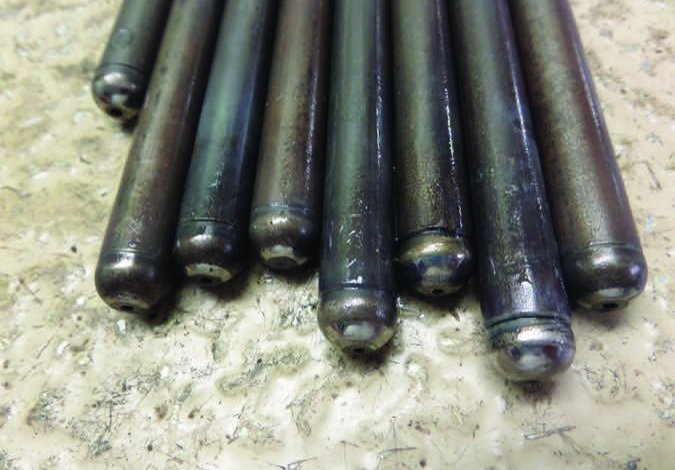
The number 3 cylinder exhaust pushrod broke, due to a valve stuck in the closed position. The valve was not stuck at the time of the investigation. No marks were seen on the top of the piston as viewed through a borescope. The lifter came apart as a result of the broken push rod but appears to have been operating properly prior to the event.

Read More »
Pilot in aircraft
Sign-up for newsletters & special offers!

Get the latest stories & special offers delivered directly to your inbox.

SUBSCRIBE