Accident Probes

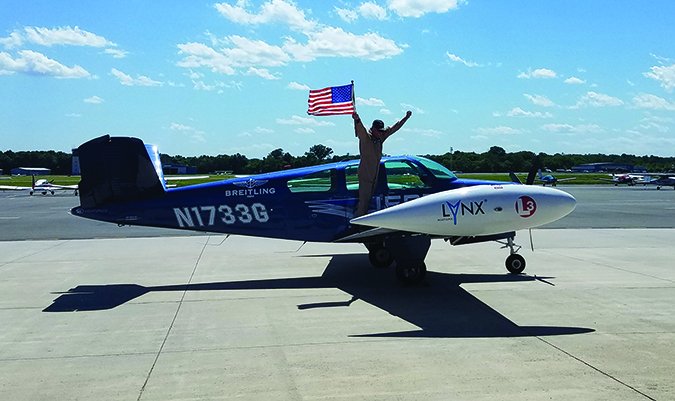
Eichhorn’s Flight Around the World

Somewhere back in the typical GA pilots mind is the idea of flying a personal airplane over long distances. Maybe across a continent, maybe an ocean. Or around the world. Part of the idea is visiting distant destinations and seeing foreign lands from the perspective only a personal airplane can offer. Another part of it is the challenge, which can be substantial; part of it is bragging rights; part of it is just because you can. However common the idea of flying around the world may be, the typical GA pilot rarely follows through. Whether due to time constraints, finances, lack of a suitable airplane or other responsibilities, the obstacles are just too daunting for the typical GA pilot.

Read More »

Unsecured Cargo

One of the things primary students learn early during their ground-school training-perhaps before they ever get into an airplane-is that the items loaded into it can weigh no more than a certain amount, and have to go in certain places. Overloading the aircraft, and/or placing heavy items far from its nominal center of gravity, is bad, theyre told. Somewhere along the way, it might also be explained that those items need to be secured. But the common way we load airplanes-especially those in which the passenger cabin and the cockpit are the same space-is to throw some soft-sided luggage in the baggage compartment, maybe throw some heavy things in the back seats or the floorboard behind the front seats, and light the fires. Little thought usually is given to whether those items should be secured, or how. Thats in sharp contrast to how we treat the passengers.

Read More »

NTSB Reports: July 2016

The airplane was destroyed at 1456 Eastern time shortly after takeoff. The flight instructor, the private pilot receiving instruction and the pilot-rated passenger were seriously injured. Visual conditions were reported. An air traffic controller who witnessed the accident reported that, when the airplane was at about 400-500 feet agl, it made a sharp right turn followed by a sharp left turn. It then entered a steep nose-down descent before disappearing behind a tree line. An explosion followed. The controller recalled the airplanes landing gear was retracted.

Read More »

Proficiency On A Budget

Deep down, most pilots would admit they need more practice and instruction than they get. I know there have been lapses in my skills over the years, and as equipment and operating rules change, I have had to spend more time on learning how to use and benefit from them. Like many pilots, I like to train and would do it more often, except for the time and the expense. In reality, most of us have two training budgets, each with limitations: a financial budget and a time budget. Admitting its often difficult to increase allotments to either without significantly and adversely affecting other parts of our lives, how can we get the most benefit from the time and money we do have for flying? How can we realistically assure proficiency on a budget?

Read More »

NTSB Reports

During his second solo flight, the student pilot encountered a gust of wind during the landing flare. The airplane ballooned and then bounced twice on its nosewheel. After the second bounce, the student pilot applied full power and aborted the landing. The subsequent landing was uneventful and he taxied to the ramp. Post-accident examination revealed substantial damage to the firewall.

Read More »

Classic CFIT

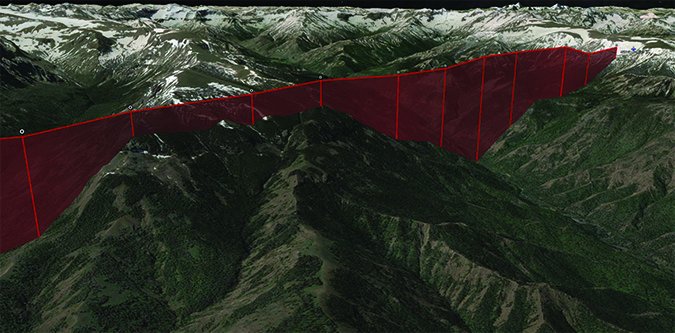
According to the FAAs advisory circular on the subject, controlled flight into terrain (CFIT) occurs when an airworthy aircraft is flown, under the control of a qualified pilot, into terrain (water or obstacles) with inadequate awareness on the part of the pilot of the impending collision.

Read More »

NTSB Reports: May 2016

At 2305 Eastern time, the airplane was substantially damaged during a ditching in the Setauket Harbor. The flight instructor, student and one passenger received minor injuries. One passenger is missing and presumed to be fatally injured at this writing. Night visual conditions prevailed. While cruising at around 2000 feet msl, the engine sputtered. Turning on the electric fuel pump and switching the fuel selector to the left fuel tank stopped the sputtering. The flight chose to divert to an airport 10 nm south.

Read More »

Running The Scud

Getting under a cloud layer and proceeding visually to a destination has been a temptation for pilots since the beginning. Airmail pilots, cruising at maybe 80 mph, had plenty of time to see and avoid obstacles down really low, but they still crashed airplanes. There were a lot fewer obstacles back then, and what were likely to be flying these days is a lot faster.

Read More »

April 2016 NTSB Reports

At about 1800 Eastern time, the airplane was substantially damaged when it impacted terrain during final approach. The solo pilot sustained fatal injuries. Visual conditions prevailed. Witnesses indicated the airplane lifted off within the first 1000 feet of the runway then began to bank sharply and reached a 90-degree bank as it climbed to treetop height. While cruising at FL190, the engines manifold pressure dropped from 29 to 15 in. Hg. The pilot arrived over the divert airport and began a circling descent.

Read More »

Precautionary Landings

Post-accident investigation indicated the warm front started moving faster and the weather deteriorated sooner than forecast. The airplanes radar target went directly toward the destination for about 110 miles, and descended to only about 800 feet agl. The track then turned into the afternoon sun and haze toward an airport only seven miles away. About two minutes later, the airplane turned left and descended below radar coverage.

Read More »
Pilot in aircraft
Sign-up for newsletters & special offers!

Get the latest stories & special offers delivered directly to your inbox.

SUBSCRIBE